
What is an appchain?
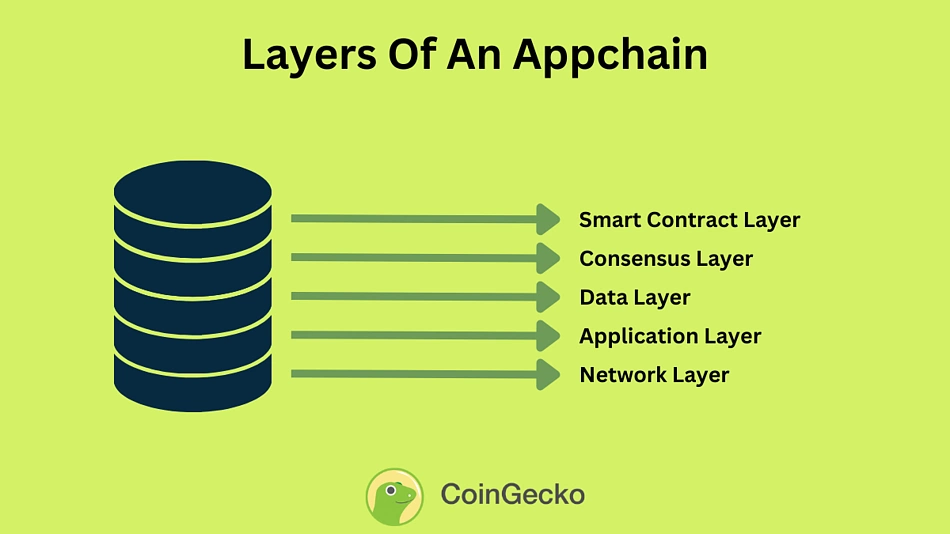
An appchain, or application-specific blockchain, is a dedicated blockchain network designed to support a single decentralized application (dApp) or a narrow set of related use cases. Unlike general-purpose Layer 1 networks that attempt to serve every type of application simultaneously, an appchain is built from the ground up for one specific purpose.
This architecture allows developers to customize the consensus mechanism, tokenomics, and gas fees to match the exact needs of their application. For instance, a gaming appchain might prioritize high throughput and low latency, while a financial appchain might emphasize finality and security. By isolating the workload, appchains avoid the congestion and unpredictable transaction costs often found on busy shared networks.
The trade-off for this customization is independence. While general-purpose chains benefit from shared security and a unified liquidity pool, appchains typically launch with their own isolated liquidity. This independence is the primary driver of liquidity fragmentation in the current ecosystem, as capital is distributed across many separate chains rather than concentrated in one.
The appchain liquidity problem
An appchain is a blockchain designed to serve a specific application or use case. By operating independently, these chains reduce congestion and lower transaction costs for their target audience. However, this isolation creates a fundamental friction point: liquidity. Unlike general-purpose blockchains that offer immediate access to a large, shared user base and deep capital reserves, appchains often launch with thin order books and fragmented pools.
When capital is siloed, the cost of trading rises for everyone. Users face poor slippage because there is not enough depth in the liquidity pools to absorb large orders without moving the price significantly. This fragmentation forces capital to remain inefficient, trapped in small, isolated ecosystems rather than flowing freely to where it is most needed.
The result is a trade-off between performance and market efficiency. While an appchain may offer speed and low fees, the lack of a unified liquidity layer means users pay a premium in the form of worse execution prices. This is the core liquidity problem: the very feature that makes an appchain attractive—its independence—becomes a barrier to robust market depth.
Unified Liquidity Pools Defined
A unified liquidity pool is a pooled capital structure that aggregates assets from multiple appchains into a single, deep liquidity layer. Instead of isolating capital within individual application-specific blockchains, this model links disparate chains so that liquidity providers can supply assets once and serve trading demand across the entire ecosystem.
Traditional appchains often suffer from fragmentation. Because each chain operates independently, trading pairs are split across numerous isolated pools. This fragmentation dilutes depth, leading to higher slippage for traders and lower yields for providers. Unified pools solve this by creating a shared reserve that acts as a single source of truth for pricing and execution.
The mechanism relies on cross-chain messaging and atomic settlement protocols. When a user swaps tokens on one appchain, the transaction interacts with the unified pool, which may hold the necessary reserves on a different chain. The protocol ensures that the swap settles atomically, meaning either the entire multi-chain transaction succeeds or it reverts, preventing partial fills or stuck assets.
This architecture delivers the best of both worlds: the tailored performance and governance of specialized appchains, combined with the capital efficiency of a monolithic chain. Users benefit from deeper order books and tighter spreads, while developers can focus on application logic without worrying about bootstrapping isolated liquidity markets. As noted by Chainlink, this shared model provides immediate access to liquidity and a large user base, eliminating the cold-start problem that plagues new appchains.
By centralizing liquidity management, unified pools reduce the friction of cross-chain trading. They transform a fragmented landscape of small, inefficient pools into a robust, interconnected network where capital flows freely to wherever it is needed most.
How unified pools solve fragmentation
Appchains were designed to give applications their own dedicated infrastructure, but this independence often created isolated liquidity silos. Without a unified mechanism, capital remained trapped on individual chains, forcing users to rely on manual bridging and fragmented order books. Unified pools resolve this by treating multiple appchains as a single liquidity layer, allowing dApps to access deep, shared capital without manual intervention.
The core mechanism relies on cross-chain swaps and generalized message passing. When a user initiates a trade on one appchain, the unified pool protocol routes the request through a central settlement layer. This layer verifies the transaction and executes the swap against the deepest available liquidity across the entire network. The result is a cross-chain swap that feels instantaneous to the user, even though the underlying settlement may occur across distinct chains.

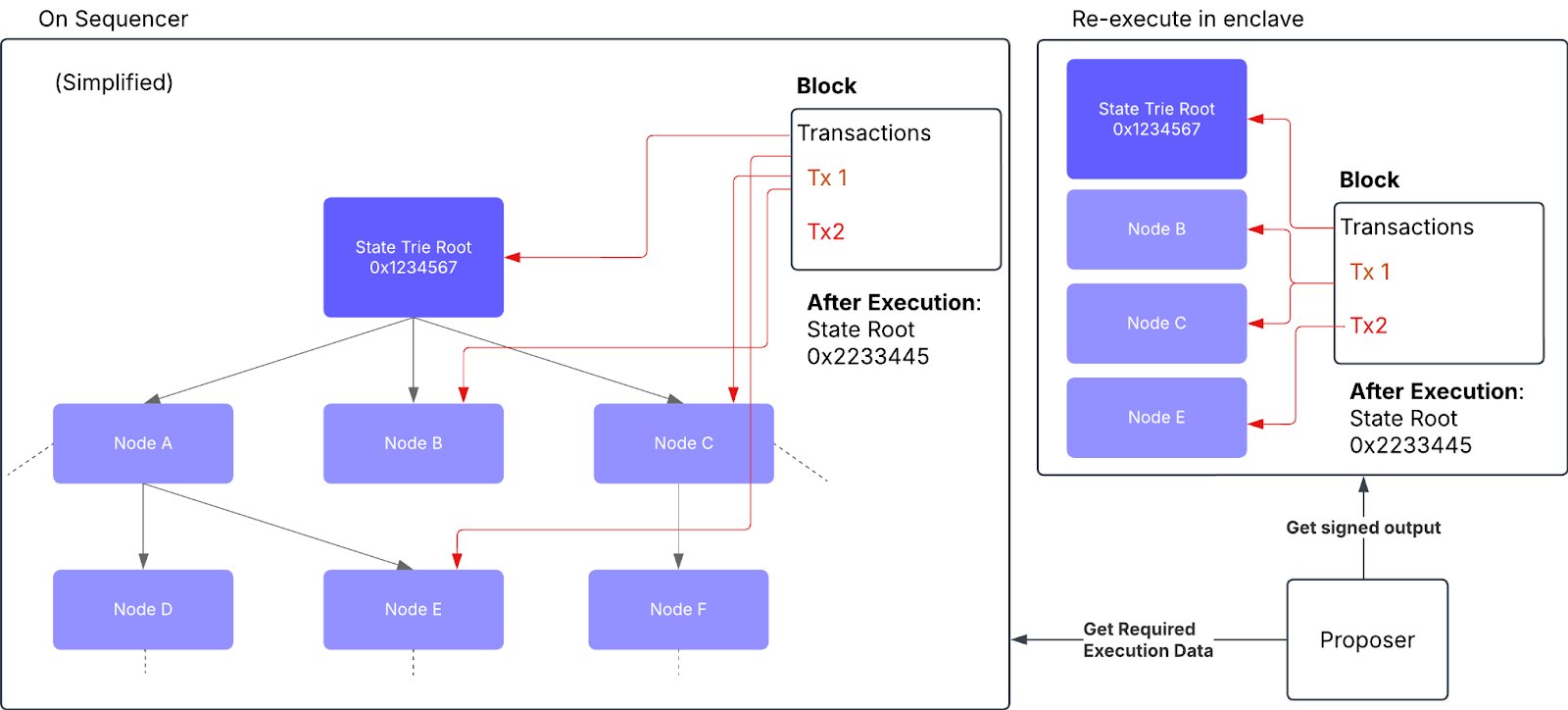
This architecture eliminates the need for users to manage multiple bridges or hold native tokens on every chain. Instead, the unified pool handles the complexity of message passing and shared settlement in the background. This approach not only reduces slippage by aggregating liquidity but also enhances capital efficiency by ensuring that idle assets on one chain can be utilized by applications on another.

The shift from isolated pools to unified liquidity networks represents a fundamental change in how decentralized applications interact with capital. By abstracting away the underlying chain structure, dApps can focus on user experience and functionality rather than liquidity fragmentation. This model ensures that appchains remain both specialized and deeply interconnected, creating a more robust and efficient ecosystem.
Real-world appchain liquidity use cases
Appchains move beyond theoretical models by applying unified pools to high-stakes financial infrastructure. By isolating specific asset classes or settlement layers, these chains allow liquidity to operate without the congestion or fee volatility of general-purpose networks. This separation enables institutional-grade efficiency that public blockchains struggle to match.
Tokenized collateral management
The Depository Trust & Clearing Corporation (DTCC) is leveraging appchain technology to overhaul collateral management. Traditional systems rely on siloed ledgers that create friction and capital inefficiency. An appchain dedicated to tokenized collateral allows for real-time visibility and automated settlement, reducing the need for excessive reserve holdings.
This approach transforms idle assets into active liquidity. By tokenizing traditional financial instruments, the DTCC can facilitate smoother cross-border settlements and reduce counterparty risk. The result is a system where capital is deployed more effectively, rather than sitting trapped in legacy reconciliation processes.
Unified pools for tokenized assets
Tokenized real-world assets (RWAs) often face fragmentation when deployed on standard layer-1 chains. Liquidity is spread thin across multiple protocols, leading to poor pricing and high slippage. Appchains designed specifically for tokenized assets create unified pools that aggregate demand and supply in a single, optimized environment.
This consolidation mimics the efficiency of traditional exchanges while retaining the benefits of blockchain settlement. Traders access deeper liquidity with tighter spreads, while issuers benefit from faster capital formation. The appchain architecture ensures that these assets trade with the speed and reliability required for institutional adoption.

Institutional settlement layers
Public blockchains are often too expensive and slow for high-volume institutional trading. Appchains provide a dedicated settlement layer that handles the heavy lifting of trade confirmation and asset transfer. This isolation ensures that liquidity providers can operate with predictable costs and guaranteed finality.
By removing the "noise" of consumer applications and speculative trading, appchains create a stable environment for large-scale financial operations. This stability attracts institutional capital, which in turn deepens liquidity pools for other participants in the ecosystem.
No comments yet. Be the first to share your thoughts!