
What is an appchain?
An appchain is an application-specific blockchain engineered to operate a single decentralized application (dApp) or a tightly coupled suite of related services. Unlike general-purpose Layer 1s or Layer 2s that host thousands of unrelated projects, an appchain dedicates its entire infrastructure to one use case. This specialization allows developers to tailor consensus mechanisms, gas tokens, and governance models to the exact needs of their ecosystem.
The primary value proposition lies in isolation and optimization. By removing the noise of unrelated transactions, appchains avoid the congestion that plagues shared networks. This results in predictable transaction costs and faster finality, which are critical for high-frequency trading or gaming applications. According to Coinbase, these chains are built to meet unique business needs that general-purpose networks cannot satisfy efficiently [Coinbase].
This structural separation fundamentally changes liquidity dynamics. In a fragmented market, liquidity is often trapped in illiquid pools on crowded L2s. An appchain creates a dedicated liquidity layer where all value flows through a single, optimized rail. This reduces fragmentation by keeping assets and users within a closed loop, enhancing capital efficiency for the specific dApp it supports.
The liquidity fragmentation problem
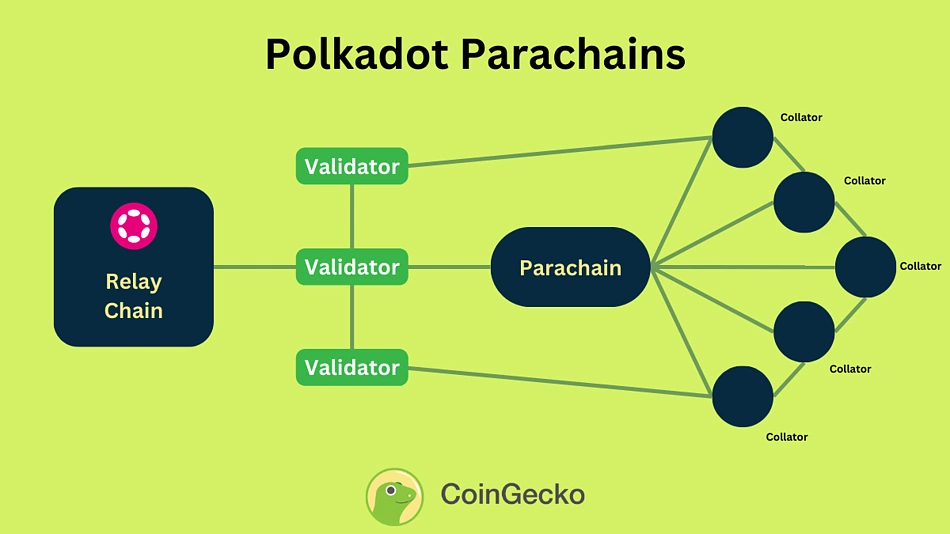
Appchains offer specialized performance and isolated security, but they introduce a structural challenge known as liquidity fragmentation. When capital is distributed across multiple independent chains rather than concentrated in a single order book or liquidity pool, the efficiency of the entire ecosystem suffers. This dispersion creates a "double-edged sword" scenario: while appchains reduce congestion and lower costs for specific use cases, they simultaneously fracture the depth of available market depth.
Slippage and Execution Risk
In a fragmented market, large orders must be split across multiple chains or executed against thinner local pools. This split execution increases slippage, meaning traders receive worse prices than they would on a unified, high-liquidity chain. For high-stakes DeFi operations, this friction can turn a theoretically profitable trade into a loss due to execution costs. The lack of a unified liquidity layer forces users to bear the cost of bridging and fragmented order books.
The User Experience Gap
Beyond the technical metrics, fragmentation degrades the user experience. Users must navigate complex bridge interfaces to move assets between appchains, often facing delayed transactions and hidden fees. This friction discourages adoption and traps capital within silos. As noted in industry analyses, the very decentralization that secures appchains can hinder the seamless asset transfers required for a thriving dApp ecosystem src-serp-6.
Unified liquidity pools defined
Unified liquidity pools represent a structural shift in how decentralized applications manage capital. Instead of isolating assets within individual appchains, these pools aggregate liquidity across multiple chains into a single, shared resource. This consolidation allows dApps to tap into deeper order books, significantly reducing the slippage and fragmentation that typically plague isolated networks.
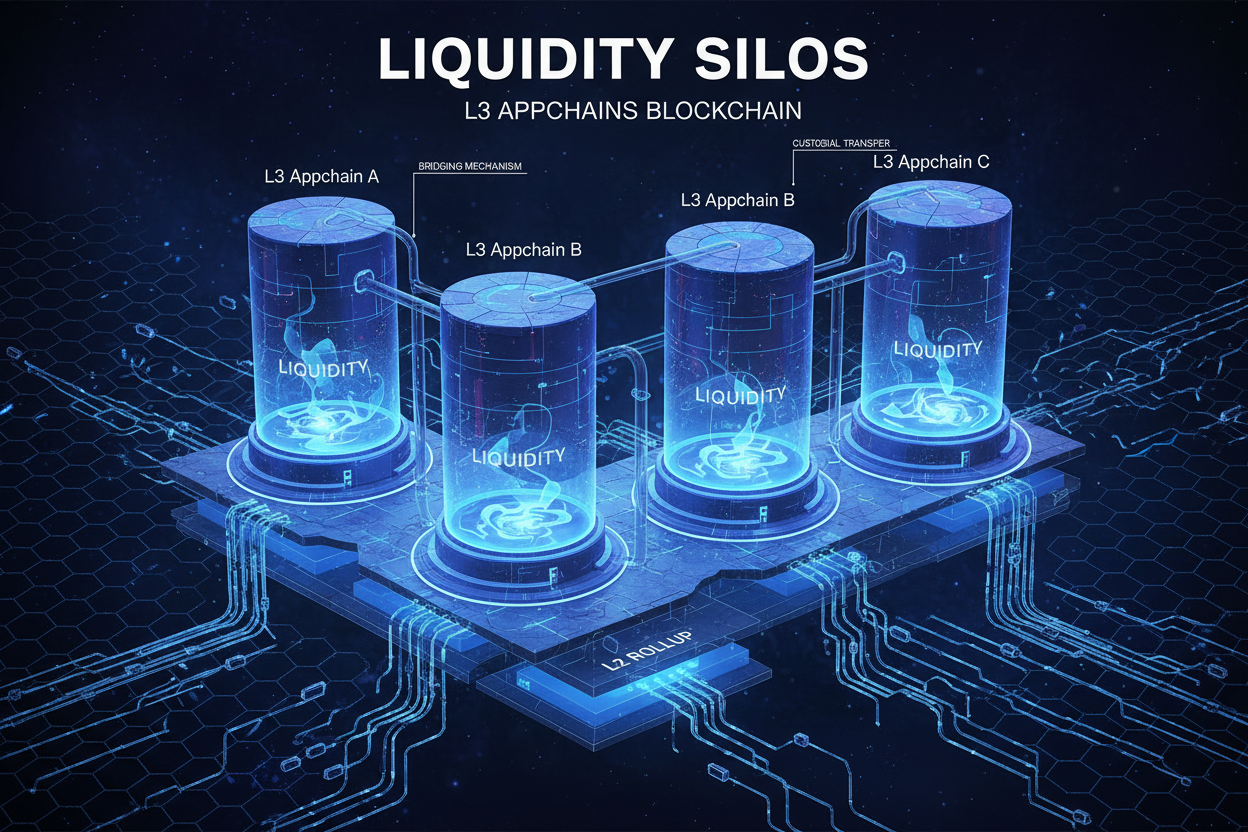
In a fragmented ecosystem, capital is often trapped in "silos," forcing users to bridge assets or accept poor pricing when moving between chains. Unified pools solve this by treating cross-chain liquidity as a unified utility rather than a series of disconnected bridges. By aggregating capital, they provide better prices for traders and more efficient capital utilization for validators and liquidity providers.
Unified pools enable secure asset transfers, cross-chain swaps, NFT movements, and generalized message passing, allowing dApps to access multi-chain liquidity and settlement seamlessly [src-serp-2].
This approach transforms liquidity from a static, chain-bound resource into a dynamic, flowing asset. For dApp ecosystems, this means users can interact with an application without worrying about which chain the underlying liquidity resides on. The pool handles the complexity, ensuring that the dApp always has access to the depth it needs, regardless of the user's starting position.
Interoperable liquidity protocols
Appchains solve fragmentation not by isolating capital, but by connecting it. Interoperable liquidity protocols provide the technical infrastructure that allows assets and data to move securely between independent chains. Without these mechanisms, an appchain’s liquidity remains trapped, defeating the purpose of specialized, high-performance environments.
The primary mechanism for this connectivity is generalized message passing. Rather than relying on fragile, custom bridges for every asset pair, protocols like Thirdweb’s AppChain infrastructure enable secure asset transfers, cross-chain swaps, and NFT movements through standardized message protocols. This allows dApps to access multi-chain liquidity and settlement layers without managing complex, chain-specific routing logic Thirdweb.
In institutional contexts, the approach shifts toward collateral-specific interoperability. The DTCC’s collateral appchain demonstrates how targeted interoperability can streamline TradFi settlement. By operating on a chain unencumbered by the public blockchain congestion and cost structures, it facilitates onchain securities trading with greater transparency and automation DTCC. This model prioritizes regulatory compliance and capital efficiency over broad, public-facing decentralization.
Atomic swaps and wrapped assets serve as the final layer of integration. These techniques allow assets to be represented on one chain while their underlying value remains secured on another. This ensures that liquidity can flow freely across the ecosystem, maintaining depth and reducing slippage for users interacting with appchain-specific dApps.
dApp Token Economics in 2026
Unified liquidity on appchains transforms token economics by removing the friction that typically erodes value in fragmented ecosystems. In 2026, the shift from siloed liquidity pools to integrated appchain networks allows dApps to capture more trading volume within their native token, directly impacting yield opportunities and price stability.
Enhanced Yield for Liquidity Providers
When liquidity is concentrated within an appchain, capital efficiency increases significantly. Liquidity providers (LPs) no longer need to spread thin capital across multiple general-purpose chains to find depth. This concentration reduces impermanent loss exposure for stable pairs and increases fee capture rates. As a result, LPs can achieve higher annual percentage yields (APY) with lower capital deployment, making dApp tokens more attractive to institutional and retail capital alike.
Stable Pricing Mechanisms
Unified liquidity mitigates the volatility spikes common in early-stage dApp tokens. With a deeper, more liquid market, large trades have less slippage, preventing the sharp price drops that often trigger panic selling. This stability fosters a healthier ecosystem where token holders can rely on predictable pricing models, essential for dApps that use tokens for governance, staking, or utility payments. The result is a more robust economic model that supports long-term growth rather than speculative bursts.
Reduced Fragmentation Costs
Dispersed liquidity acts as a double-edged sword, offering decentralization but hurting asset transfer efficiency and capital utilization. By unifying liquidity, appchains reduce the overhead costs associated with cross-chain bridges and wrapped tokens. This efficiency translates to lower transaction fees for users and tighter spreads for traders, creating a virtuous cycle that reinforces the dApp’s token value proposition.
No comments yet. Be the first to share your thoughts!