
The Liquidity Fragmentation Problem
General-purpose blockchains struggle to maintain efficient liquidity for specialized assets. When a network supports thousands of different applications, transaction throughput becomes a shared resource. This creates congestion, drives up gas fees, and causes slippage for large trades. Assets that require high-frequency settlement or specific economic parameters suffer because they compete with unrelated traffic.
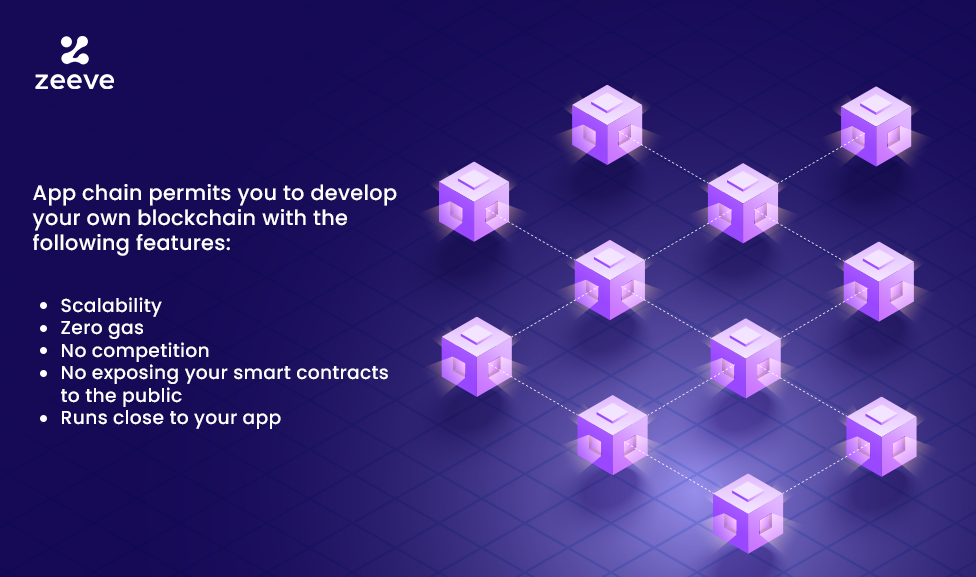
Appchains solve this by isolating liquidity pools by application. Instead of sharing a congested mainnet, each appchain operates as a dedicated environment. This structure prevents the cost spikes and latency issues seen in shared Layer 1 networks. By dedicating resources to a single use case, appchains ensure that liquidity remains deep and accessible for the specific assets it supports.
This specialization addresses the core inefficiency of fragmented liquidity. In a general-purpose chain, capital is spread thin across many competing interests. An appchain concentrates that capital, improving price discovery and reducing the friction of cross-chain asset transfers. The result is a more efficient market for the specific assets the appchain is designed to handle.
Map collateral flows
Liquidity often sits idle on source chains while the target appchain struggles for depth. To fix this, you must trace where assets are trapped and route them to where they are needed. This process turns static balances into active liquidity.
Start by identifying which source chains hold the largest concentrations of your target assets. Use block explorers to filter for high-value wallets or liquidity pools that are not currently interacting with the appchain. This step reveals the "supply side" of your liquidity map.

Map the technical path between source and destination. Calculate the total cost of bridging, including gas fees and slippage. If the cost to move $100,000 in assets exceeds 1% of the value, that flow is likely inefficient. Prioritize paths with lower latency and transparent fee structures.
Look for assets stuck in legacy bridges or inactive pools. These are funds that have been deposited but never withdrawn or utilized. Reallocating these trapped assets can instantly boost the appchain's available depth without requiring new capital injection.

Direct the identified flows to specific liquidity pools on the appchain that show the highest demand. Align the asset type and volume with current trading pairs or lending protocols. This ensures the incoming liquidity is immediately useful and generates yield or volume.
Confirm that the assets have settled on the appchain and are ready for use. Check for any pending transactions or failed bridge attempts. Final verification ensures that the mapped flow is complete and the liquidity is truly available for trading or settlement.
By following these steps, you transform fragmented liquidity into a cohesive, efficient system for your appchain.
Compare bridge strategies
Choosing the right interoperability layer depends on your tolerance for trade-offs between speed, cost, and security. There is no single best method for moving assets across chains. Each strategy serves a different operational need within an appchain ecosystem. You must match the bridge type to the specific liquidity requirement.
Native Bridges
Native bridges, often called light client bridges, verify blockchain headers directly on the destination chain. This method maintains the highest level of security because it relies on the consensus mechanisms of the source and destination networks rather than a third party. The trade-off is complexity and latency. Setting up and verifying light clients requires significant computational resources, making these bridges slower to deploy and more expensive to use for small transactions. They are best suited for high-value settlements where security is paramount.
Wrapped Assets
Wrapped assets involve locking tokens in a vault on the source chain and minting equivalent representations on the destination chain. This approach is widely supported and familiar to users, offering high liquidity across many decentralized exchanges. However, it introduces custodial risk. The security of the wrapped token depends entirely on the integrity of the vault contract and the multisig or oracle network managing it. If the source contract is compromised, the wrapped assets on the destination chain become worthless. Use this method for general-purpose trading but avoid holding large, long-term positions in wrapped versions of critical assets.
Liquidity Networks
Liquidity networks, such as decentralized liquidity pools or intent-based systems, use off-chain matching or pooled reserves to facilitate transfers. They offer the fastest execution times and often the lowest fees because they do not require waiting for on-chain finality. Instead, they rely on a network of relayers or market makers who assume the counterparty risk. This model is ideal for high-frequency trading or user experiences where speed is critical. However, the liquidity depth can fluctuate, and slippage may increase during volatile market conditions. Monitor pool health closely before executing large transfers.
| Strategy | Security Level | Speed | Relative Cost |
|---|---|---|---|
| Native Bridges | High | Slow | High |
| Wrapped Assets | Medium | Medium | Medium |
| Liquidity Networks | Low-Medium | Fast | Low |
Monitor dispersion risks
Dispersed liquidity acts like a fractured reservoir: the total water volume might be sufficient, but the pressure at any single tap is weak. In appchain ecosystems, this fragmentation creates two immediate threats. First, deep slippage occurs because orders slice across multiple thin pools rather than one deep one. Second, settlement delays compound as assets must traverse multiple bridges and validators to reach their destination.
To mitigate these risks, you must monitor concentration levels across your target chains. Use block explorers to track the ratio of locked assets to total market cap on each appchain. A healthy distribution shows balanced liquidity depth, while a skewed distribution indicates that a small number of wallets or bridges control the majority of the supply. This concentration is a leading indicator of potential bottlenecks.
When executing trades, prioritize chains with deeper order books and lower bridge latency. Avoid moving large volumes through chains with sparse liquidity, even if the token price looks attractive. Instead, aggregate your liquidity or use cross-chain aggregators that route orders through the deepest pools available. This approach reduces slippage and ensures that your assets settle faster, preserving the efficiency that appchains promise.
Verify settlement integrity
Cross-chain asset transfers rely on finality. You must confirm that liquidity is locked on the source chain and credited on the destination chain before considering a transfer complete. This verification prevents double-spending and ensures collateral mobility remains secure.
Check bridge state proofs
Inspect the bridge’s state root on both chains. The source chain should show a withdrawal event, and the destination chain should show a corresponding mint event. Use block explorers to trace the transaction hash across the bridge contract. If the events do not match, the settlement is incomplete.
Validate collateral lock
Confirm that the underlying asset is securely locked in the bridge contract. For tokenized assets, check the contract balance against the total supply. If the locked amount does not match the transferred value, halt operations. This step is critical for maintaining trust in the appchain’s liquidity pool.
Review consensus signatures
For appchains using optimistic or ZK proofs, verify the validity proof. Ensure the sequencer’s signature is valid and the state transition is accepted by the network. This confirms that the settlement is not just pending, but finalized according to the appchain’s consensus rules.
-
Verify bridge state proofs
-
Validate collateral lock
-
Review consensus signatures
No comments yet. Be the first to share your thoughts!