
The fragmentation problem in modular chains
Appchain liquidity in 2026 faces a structural bottleneck: isolation. As developers deploy specialized, modular chains to gain performance and sovereignty, they inadvertently create liquidity silos. Each appchain operates as a closed garden, requiring users to bridge assets and navigate complex routing just to participate. This fragmentation dilutes depth, leaving capital scattered across dozens of thin, underutilized pools.
The result is a paradox of progress. While modular architecture offers technical superiority, it degrades the user experience and economic efficiency. Traders face high slippage on low-volume chains, and liquidity providers struggle to earn meaningful yields because their capital is trapped in inefficient, single-chain environments. The ecosystem becomes a collection of disconnected islands rather than a unified network.
Unified pools emerge as the necessary structural fix. By decoupling liquidity from specific execution layers, these protocols allow capital to flow freely across the entire modular stack. Instead of fragmenting assets across dozens of isolated chains, unified pools aggregate depth, ensuring that every appchain—regardless of its size—accesses the same robust liquidity reservoir.
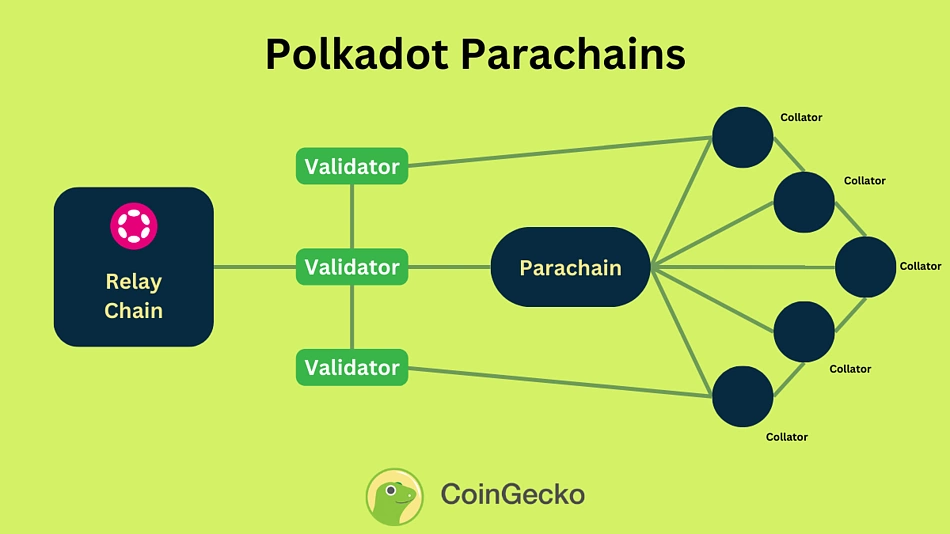
This shift transforms the modular landscape from a fragmented maze into a cohesive network. Liquidity is no longer a scarcer resource that must be manually allocated; it becomes a shared utility, accessible instantly by any chain that needs it.
How unified liquidity pools work
Unified liquidity pools replace fragmented bridges with intent-based settlement. Instead of locking assets in a static bridge, users submit a request—such as swapping Token A on Chain X for Token B on Chain Y—and a network of solvers fulfills it. This architecture treats liquidity as a unified resource rather than isolated silos, allowing modular blockchains to share depth without manual wrapping.
1. The user submits an intent
The process begins when a user broadcasts an intent to the mempool. This intent specifies what they want to achieve, such as "Swap 1 ETH for USDC on Arbitrum," along with the maximum slippage they are willing to accept. The transaction is not executed immediately; it is merely a request for the best available price across the entire modular ecosystem.
2. Solvers compete to fill the order
Solver networks monitor these intents and compete to fulfill them. Solvers are specialized nodes that aggregate liquidity from various sources, including centralized exchanges, decentralized exchanges, and other appchains. They calculate the optimal path to satisfy the user’s request at the best rate, often combining multiple small liquidity pools to minimize slippage.
3. Cross-chain settlement occurs
Once a solver claims the intent, the settlement layer executes the trade. This involves moving assets across chains, which is handled by the underlying modular infrastructure. The user receives their desired asset on the destination chain, while the solver is compensated with a fee. This happens in a single atomic step, ensuring that the user is never left holding an intermediate token.
4. Liquidity remains unified
The result is a unified liquidity pool that spans multiple modular chains. Users do not need to manage separate wallets or bridges for each chain; they simply interact with the intent layer. This reduces friction and improves capital efficiency, as liquidity is shared rather than stranded in isolated pools.

The user broadcasts a request to swap or transfer assets, specifying the desired outcome and slippage tolerance without locking funds in a bridge.

Specialized solver nodes monitor the mempool, aggregating liquidity from multiple chains and exchanges to find the optimal execution path.

The solver executes the trade across modular chains, delivering the final asset to the user in a single atomic step without intermediate wrapping.
Leading cross-chain liquidity protocols
Appchain liquidity in 2026 relies on protocols that bridge the gap between isolated chains and shared liquidity pools. Rather than forcing every appchain to bootstrap its own thin order book, these protocols aggregate capital across the modular stack. The landscape has shifted from simple token swaps to unified liquidity layers that understand cross-chain intent.
The following protocols represent the dominant technical paradigms for connecting appchains today. Each solves a different part of the fragmentation puzzle, whether through automated market making, native bridging, or solver networks.
Hyperlane: The Universal Messaging Layer
Hyperlane does not hold liquidity itself but enables any appchain to connect to any other chain via a standardized messaging protocol. This flexibility allows developers to build custom liquidity hooks into their own AMMs or bridge contracts. It is the foundational layer for many appchain liquidity strategies, allowing capital to move based on smart contract logic rather than centralized relayers.
LayerZero: Omnichain Interoperability Protocol
LayerZero provides an omnichain infrastructure that routes transactions and messages across multiple chains. Its endpoint protocol ensures that liquidity providers on one chain can safely interact with contracts on another. This is particularly useful for appchains that want to access deep liquidity from major L1s like Ethereum or Solana without building their own bridging infrastructure.
Stargate Finance: Native Asset Liquidity
Stargate uses a unified liquidity pool model where assets are represented as fractional shares across chains. This eliminates the need for complex bridging mechanisms during swaps, as liquidity is already present on the destination chain. For appchains, this means faster settlement times and lower slippage for stablecoins and major assets, making it a preferred choice for high-frequency trading environments.
Chainlink CCIP: Secure Cross-Chain Data and Value Transfer
Chainlink’s Cross-Chain Interoperability Protocol (CCIP) offers a secure, enterprise-grade solution for moving data and tokens between chains. It uses a decentralized network of node operators to verify transaction integrity, making it ideal for appchains handling high-value institutional liquidity. While slightly more complex to integrate, its security guarantees make it a top choice for risk-averse deployments.
Comparison of Protocol Paradigms
The table below summarizes how these protocols approach appchain liquidity integration.
| Protocol | Paradigm | Best Use Case |
|---|---|---|
| Hyperlane | Messaging | Custom AMM hooks |
| LayerZero | Omnichain | Cross-chain swaps |
| Stargate | Unified Pools | Stablecoin transfers |
| Chainlink CCIP | Secure Transfer | Institutional value |
Institutional adoption and tokenized collateral
Traditional finance is moving from observation to integration, treating appchains not just as experimental layers but as operational infrastructure for tokenized assets. The primary driver is efficiency: tokenized collateral allows institutions to move value with the speed of blockchain while maintaining the regulatory clarity of traditional finance.
"Tokenized collateral could unlock billions in capital and transform liquidity management."
This sentiment, echoed by the DTCC, highlights the shift from static balance sheets to dynamic, programmable liquidity. When assets like treasury bills or real estate are tokenized, they can be deployed across multiple appchains simultaneously. This creates a unified pool of liquidity that was previously fragmented across siloed banking systems.
Franklin Templeton’s recent analysis on blockchain’s role as a universal liquidity layer underscores this trend. Their research suggests that the future of institutional liquidity lies in interoperable protocols where appchains act as specialized conduits for specific asset classes.

For institutional adopters, the benefit is twofold. First, it reduces the capital reserves required to back liabilities, as tokenized assets can be used as collateral in real-time. Second, it operationalizes idle assets, turning static holdings into active liquidity providers within the broader ecosystem.
This integration is not about replacing traditional finance but extending its reach. Appchains provide the necessary customization and compliance features that institutions demand, while the underlying tokenized collateral ensures that liquidity is never stranded in a single chain or jurisdiction.
Where appchain liquidity is headed
Appchain liquidity is shifting from static pools to dynamic, AI-managed systems. As modular chains proliferate, the need for intelligent routing becomes critical. Liquidity providers no longer just deposit assets; they deploy algorithms that adapt to real-time demand across fragmented networks.
This transition is already visible in competitive environments. The Liquidity Arena 2026 competition on Kaggle highlights how AI quant strategies are becoming the standard for generating alpha in these complex ecosystems. Participants are developing models that predict liquidity gaps and rebalance positions automatically, moving beyond manual passive strategies.
The broader market narrative supports this shift. According to the Bitcoin Foundation, crypto markets in 2026 are driven by stories that find liquidity, timing, and user care. AI-driven liquidity pools provide the structural backbone for these narratives, ensuring that capital flows efficiently to where it is needed most, rather than sitting idle in isolated silos.
Frequently asked questions about unified pools
How do unified pools differ from traditional appchain liquidity? Unified pools aggregate capital across modular chains into shared liquidity layers. Instead of isolated silos, assets move through a single unified mechanism, reducing fragmentation and improving depth for appchain-specific tokens.
Can institutional investors use unified pools for collateral? Yes. Tokenized collateral integrated into unified pools allows institutions to deploy digital assets across multiple chains simultaneously. This approach reduces capital requirements and streamlines liquidity management by leveraging digital ledger efficiency.
Do unified pools support cross-chain trading? They enable seamless cross-chain asset movement by routing trades through shared liquidity sources. Protocols like those highlighted in cross-chain liquidity rankings for 2026 leverage these pools to minimize slippage and bridge gaps between disparate networks.
Are unified pools secure for high-stakes transactions? Security relies on the underlying modular chain’s consensus and the pool’s smart contract audits. While they offer efficiency, users must verify the specific protocol’s risk parameters, as seen in institutional discussions at events like Liquidity 2026.
No comments yet. Be the first to share your thoughts!