
The appchain liquidity limits to account for
Appchains promise dedicated infrastructure, but they inherit a persistent structural problem: isolated liquidity. When a blockchain is designed for a single application, its native token often lacks the depth to support complex DeFi primitives, high-frequency trading, or robust yield strategies. This fragmentation forces developers to choose between operational sovereignty and capital efficiency.
The core tension lies in settlement and bridge security. Connecting an appchain to broader liquidity pools introduces latency and potential failure points. Without a standardized method for moving value, capital remains trapped within the appchain’s walled garden, limiting its utility for both users and institutional participants. This isolation creates a "thin market" scenario where even small trades can cause significant slippage.
Solving this requires more than just adding liquidity pools. It demands a modular approach to collateral management and cross-chain communication. Infrastructure providers are now focusing on generalized message passing and secure asset transfers, allowing dApps to access multi-chain liquidity without compromising their appchain’s specific security model. This shift moves the industry from fragmented silos toward a connected ecosystem where liquidity can flow freely between specialized chains.
Appchain liquidity choices that change the plan
Appchains solve fragmentation by moving liquidity from a shared, congested pool into a dedicated lane. This shift creates distinct tradeoffs that determine whether a tokenized asset moves quickly or gets stuck in settlement limbo. Understanding these mechanics helps you evaluate if a specific infrastructure choice matches your capital velocity needs.
Dedicated blockspace and gas efficiency
When an appchain operates on its own blockspace, it does not compete for gas with unrelated protocols on a shared layer-1 network. This isolation prevents transaction fees from spiking during high-demand periods on the main chain. For institutions managing collateral, this predictability is essential for maintaining operational stability without unexpected cost overruns.
Cross-chain settlement latency
Transferring assets between an appchain and a broader ecosystem requires bridges or message-passing protocols. These mechanisms introduce latency as data must be verified across different consensus layers. While thirdweb and similar infrastructures enable generalized message passing, the time required for finality remains higher than native execution, creating a tradeoff between isolation and speed.
Liquidity depth and fragmentation
A dedicated chain starts with limited liquidity, relying on internal incentives to attract users. Unlike public blockchains that benefit from network effects, appchains must bootstrap their own market depth. If the user base is small, slippage increases for larger trades, making the asset less attractive for high-frequency trading compared to established layer-1s.
Interoperability complexity
Connecting an appchain to external liquidity sources requires robust interoperability standards. DTCC’s collateral appchain aims to rewrite settlement rules by enabling trillions in daily trading, but this relies on seamless integration with existing financial rails. The complexity of maintaining these connections often outweighs the benefits for smaller projects with simpler use cases.
How to Choose an Appchain Liquidity Model
Selecting the right liquidity infrastructure requires balancing control, cost, and fragmentation. There is no single winner; the best choice depends on whether your priority is capital efficiency, cross-chain reach, or institutional compliance.
Use this framework to match your project’s needs to the correct model.

Automated Market Makers (AMMs) are the standard for decentralized exchanges. They allow users to trade without order books by providing liquidity to pools. This model is ideal for projects that need immediate, permissionless liquidity with minimal operational overhead. However, impermanent loss remains a risk for liquidity providers.
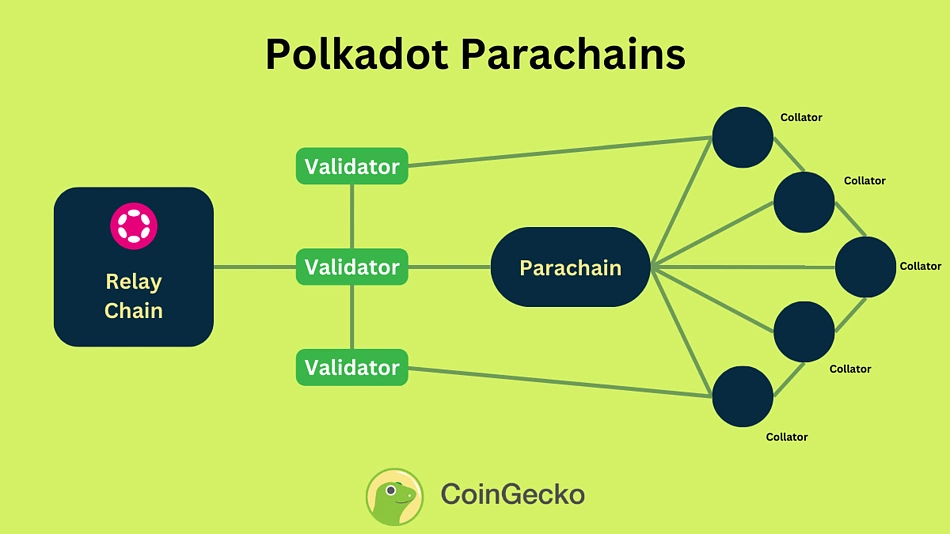
If your users operate across multiple ecosystems, bridges are essential. They lock assets on one chain and mint wrapped versions on another. While this expands your addressable market, it introduces counterparty risk. Always prefer decentralized, audited bridge protocols over centralized custodians to maintain trust.
For institutional-grade applications, look for platforms like DTCC’s AppChain. These solutions focus on collateral management, enhancing transparency and automation for tokenized assets. This model is best suited for regulated entities that require strict audit trails and settlement finality rather than high-frequency trading.
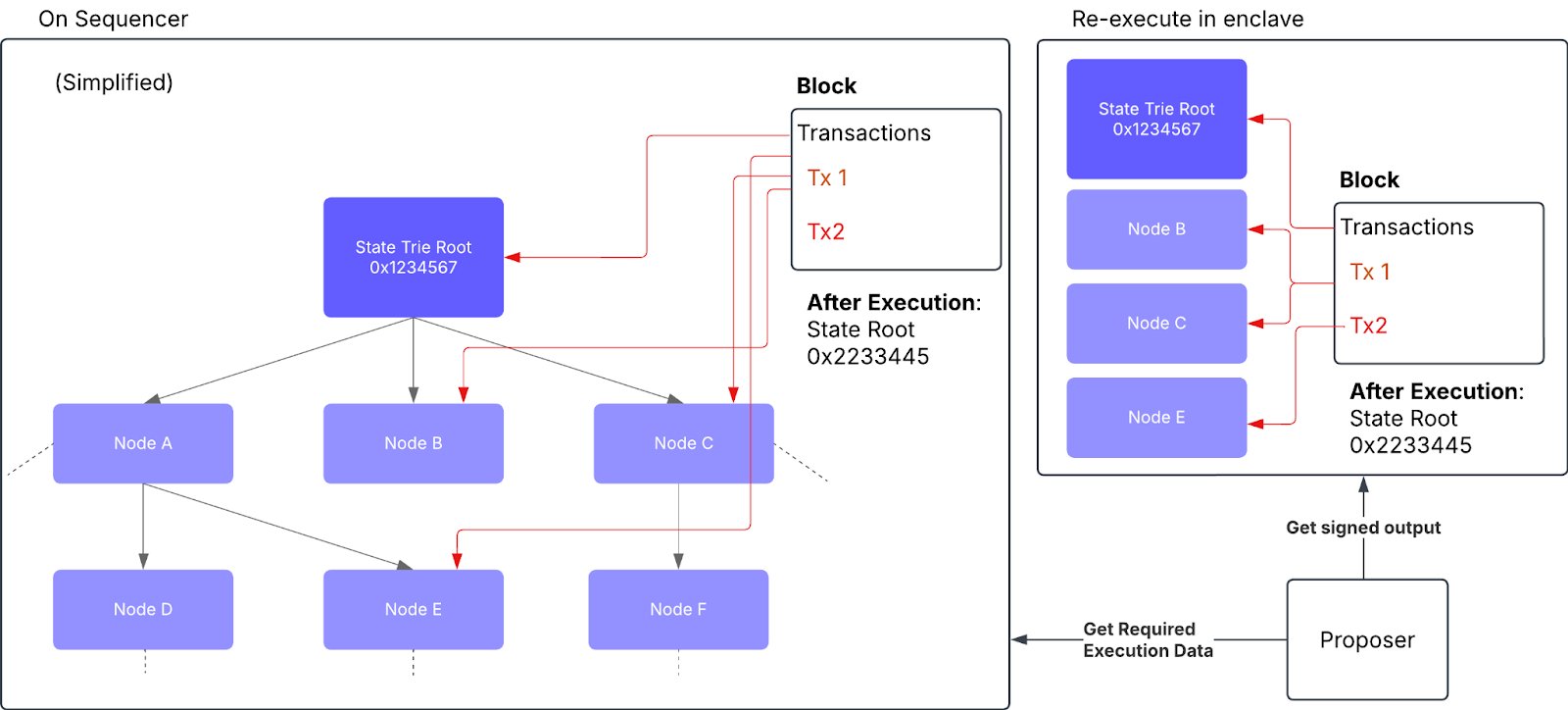
Generalized message passing allows dApps to execute logic across chains without moving assets. This is crucial for complex DeFi strategies like cross-chain lending. It reduces the friction of wrapping and unwrapping tokens, offering a smoother user experience for advanced financial operations.
Always audit the smart contracts of your chosen liquidity layer. Fragmentation increases attack surfaces; ensure your model minimizes trust assumptions.
Watch for these weak appchain liquidity options
Appchain liquidity promises deep, isolated markets, but several implementations fall short of that goal. Identifying weak options prevents you from locking capital into fragmented pools that fail to deliver the promised efficiency.
Siloed liquidity traps. Some appchains operate as closed gardens. They launch with a single token and no bridge infrastructure. Liquidity remains trapped within the chain, forcing users to exit the ecosystem entirely to realize value elsewhere. This fragmentation defeats the purpose of modular infrastructure.
Misleading "cross-chain" claims. Many projects market generalized message passing as seamless liquidity. Thirdweb’s appchain enables cross-chain swaps and asset transfers, but this requires active bridging. If the bridge is undercapitalized or slow, the liquidity is effectively broken. Verify bridge depth before trusting the claim.
Collateral management gaps. DTCC’s AppChain highlights the need for smarter collateral management. Without integrated, transparent automation, tokenized assets cannot move efficiently across global markets. Weak collateral frameworks lead to stale liquidity and higher friction costs for institutional participants.
Appchain liquidity: what to check next
Appchains promise dedicated blockspace and isolated risk, but they introduce a new set of liquidity challenges that shared L1s do not face. Understanding how capital moves—and where it gets stuck—is essential before deploying an application-specific chain.
Can appchains solve the fragmentation crisis?
Appchains address fragmentation by creating dedicated liquidity pools for specific use cases, rather than competing for attention on a congested L1. By isolating the application, you avoid the "noise" of unrelated transactions. However, this isolation means you cannot rely on the massive, shared liquidity of Ethereum or Solana. You must bootstrap your own capital or build robust bridges to external ecosystems.
How does cross-chain liquidity work on an appchain?
Cross-chain liquidity typically relies on generalized message passing or dedicated bridges. Platforms like Thirdweb enable secure asset transfers and cross-chain swaps, allowing dApps to access multi-chain liquidity without leaving their dedicated environment. This setup lets your appchain settle trades efficiently while pulling in external capital, but it introduces counterparty risk depending on the bridge’s security model.
Is appchain liquidity more expensive than L1s?
Gas costs on appchains are often lower for the end-user because you control the fee market and don’t pay for unrelated network congestion. Dedicated blockspace means the app doesn’t need to bid up fees during high-demand periods on a shared blockchain. However, you bear the infrastructure cost of maintaining validators and securing the chain, which shifts expenses from variable gas fees to fixed operational overhead.
Can appchains handle institutional-grade settlement?
Yes, appchains are increasingly designed for high-throughput, regulated settlement. The DTCC’s Collateral Appchain, for instance, aims to enable trillions in daily trading with enhanced transparency and automation. By keeping data and settlement on a private or permissioned chain, institutions can meet compliance requirements while still benefiting from blockchain efficiency.
No comments yet. Be the first to share your thoughts!