
The appchain liquidity limits to account for
Appchains offer dedicated infrastructure, but they introduce a distinct liquidity constraint. Unlike shared EVM chains where capital pools are deep and fragmented, an appchain starts with isolated liquidity. This isolation forces developers to choose between capital efficiency and security, often resulting in shallow order books and high slippage for early-stage protocols.
The core challenge is bridging this gap. Without native liquidity, users face high costs to swap assets, and protocols struggle to maintain stable pricing mechanisms. This is where appchain-specific strategies come into play. Solutions like DTCC’s AppChain focus on enhancing liquidity through tokenized digital assets, aiming to automate collateral management across global markets. However, for most independent appchains, the burden falls on the developer to engineer liquidity incentives.
Cross-chain interoperability offers a partial fix, but it introduces new risks. Protocols like Thirdweb’s AppChain enable secure asset transfers and cross-chain swaps, allowing dApps to access multi-chain liquidity. While this expands the available capital pool, it also increases attack surfaces. The trade-off is clear: broader liquidity often means higher complexity and potential security vulnerabilities. Developers must weigh the benefits of external liquidity against the costs of bridging and monitoring.
Appchain liquidity choices that change the plan
When evaluating appchains for capital efficiency, you are balancing control against reach. A dedicated chain offers speed and lower costs, but it starts with no external liquidity. The goal is to bridge that gap without breaking the settlement guarantees that institutions require.
The tradeoffs generally fall into three buckets: settlement finality, bridge security, and capital utilization. Understanding these factors helps you choose an architecture that fits your specific risk profile.
| Factor | Native Appchain | Cross-Chain Bridge |
|---|---|---|
| Settlement Speed | Instant (finality) | Delayed (confirmations) |
| Liquidity Depth | Limited (initially) | Deep (external pools) |
| Security Model | Consensus (shared) | Trust (bridge logic) |
| Capital Efficiency | High (isolated) | Variable (locked) |
Settlement speed vs. liquidity depth
A native appchain processes transactions instantly within its own consensus layer. This speed is ideal for high-frequency trading or real-time collateral management. However, because the chain is isolated, it lacks the deep order books found on major public blockchains. You must incentivize market makers to provide initial depth, which can be costly.
Cross-chain bridges connect your appchain to existing liquidity pools. This provides immediate access to deep capital, reducing the need for expensive incentives. The tradeoff is latency; you must wait for bridge confirmations, which can introduce slippage during volatile market conditions.
Security model considerations
Native appchains rely on the shared security of their consensus mechanism. If the chain is permissioned, security is determined by the validator set. This offers predictable risk but requires active management of node operators.
Cross-chain bridges introduce smart contract risk. The bridge itself becomes a target for attacks. Even if your appchain is secure, a vulnerability in the bridge contract can compromise assets. Always audit bridge logic and consider multi-signature or threshold signature schemes for critical transfers.
Capital efficiency and utilization
In a native setup, capital is locked within the appchain. This isolation can lead to higher capital efficiency if the chain is used exclusively for high-turnover assets. There is no need to lock assets in external contracts.
Cross-chain approaches often require locking assets in bridge contracts. This reduces the available circulating supply and can lower capital efficiency. However, it allows for complex strategies like cross-chain arbitrage, which can offset lower efficiency with higher volume.
Build a decision framework for appchain liquidity
Appchains offer deep capital efficiency, but only if you match the chain’s capabilities to your specific liquidity needs. The choice between a sovereign chain and a modular setup dictates your counterparty risk, settlement speed, and cross-chain complexity.
Use this checklist to evaluate your strategy. Each step addresses a distinct constraint in the 2026 landscape, from collateral mobility to institutional integration.
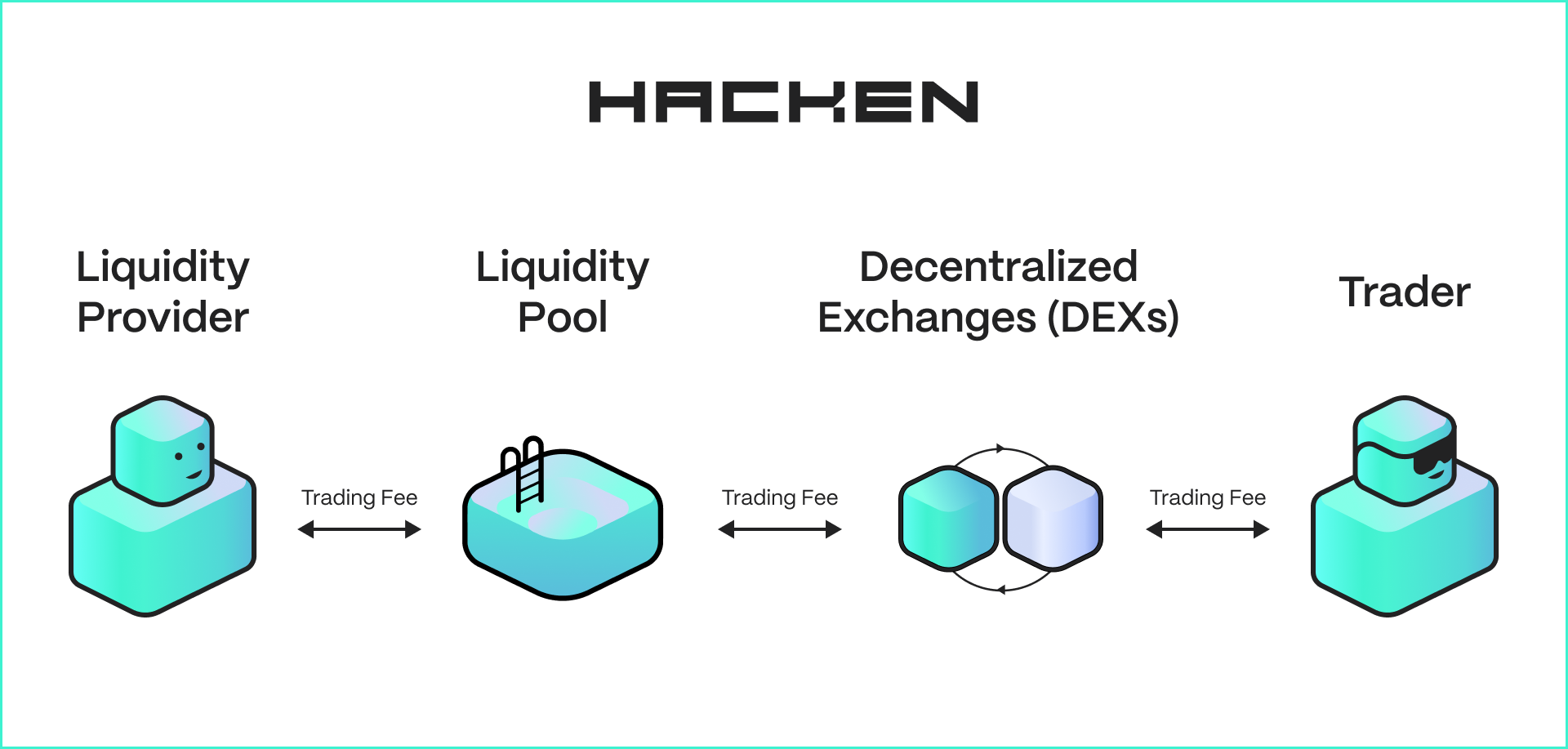
Determine if your assets require cross-chain mobility. If capital must move between chains for settlement, prioritize appchains with native interoperability protocols. If assets are siloed for regulatory reasons, a sovereign chain with internal liquidity pools may suffice. Collateral mobility directly impacts the cost of capital.
Check for existing bridges to traditional finance. Solutions like DTCC’s AppChain focus on tokenized collateral management for global markets. If your users are institutions, choose a chain that supports regulated asset standards and automated compliance, rather than pure DeFi primitives.
Decide where finality occurs. Generalized message passing allows dApps to access multi-chain liquidity, but it introduces bridge risk. For high-value transactions, use a dedicated settlement layer or a trusted relay network. Avoid relying on generic cross-chain bridges for core liquidity pools.
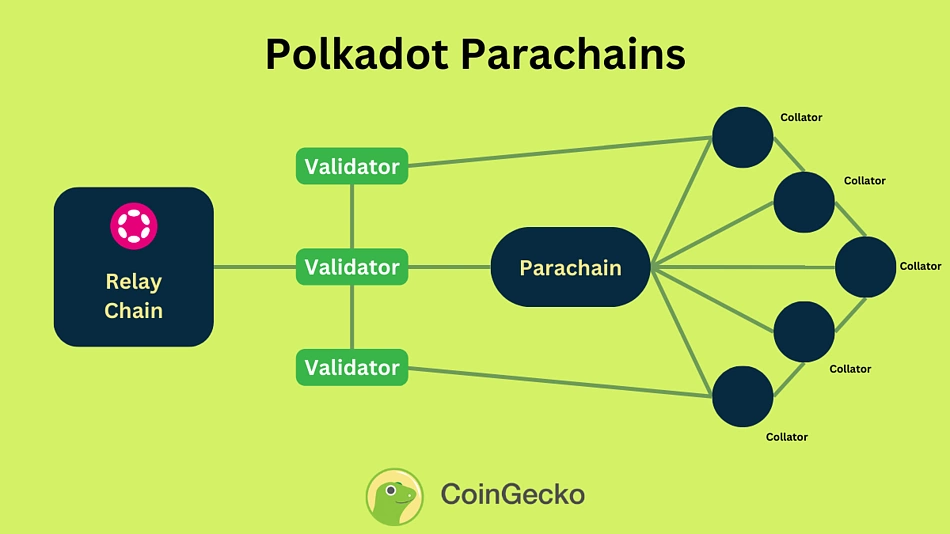
Appchains often suffer from thin order books. Ensure your design includes mechanisms to aggregate liquidity, such as hybrid AMM models or centralized limit order book integration. Without active liquidity incentives, your appchain will struggle to maintain tight spreads.
Spotting Weak Appchain Liquidity Claims
Appchain narratives often promise deep capital efficiency and seamless cross-chain interoperability, but the reality is usually more fragmented. In 2026, you must distinguish between genuine liquidity aggregation and marketing fluff. Misleading claims typically ignore settlement latency or assume infinite cross-chain bridges, which are major failure points.
The "Seamless" Bridge Myth
Many projects claim their appchains offer frictionless cross-chain swaps. In practice, most rely on wrapped tokens or centralized relayers that reintroduce counterparty risk. If a bridge halts, your liquidity is trapped. Always verify the bridge’s security model and historical uptime before trusting their interoperability claims.
Ignoring Settlement Finality
Deep capital efficiency means nothing if settlement isn’t final. Some appchains use probabilistic finality, meaning transactions can be reversed. This is unacceptable for collateral management. Look for appchains with deterministic finality or those settled on a high-security Layer 1. Without finality, your "deep" liquidity is actually just temporary exposure.
Overstated Liquidity Depth
Projects often highlight total value locked (TVL) without disclosing its concentration. A high TVL might just mean a few whales hold most of the tokens, making the market illiquid for everyone else. Check the number of active liquidity providers and the depth of order books. Thin markets crash hard on small sells.
Vendor Lock-in Risks
Some appchains are designed to be siloed, making it hard to exit or move assets to other chains. This "walled garden" approach reduces liquidity options and increases costs. True interoperability allows you to move assets freely. Avoid chains that require complex, multi-step processes to withdraw funds.
Regulatory Ambiguity
Many appchains operate in legal gray areas, especially regarding tokenized securities. If the underlying assets are regulated, the appchain must comply with KYC/AML rules. Non-compliant chains risk being shut down, freezing all user assets. Always check if the appchain has obtained necessary licenses or partnerships with regulated entities.
No comments yet. Be the first to share your thoughts!