

The appchain liquidity limits to account for
Appchains promise dedicated infrastructure, but they inherit a fundamental liquidity problem: isolated user bases. When an appchain operates in a silo, its native token cannot easily move to where deep liquidity exists. This fragmentation forces liquidity providers to spread capital thin across dozens of chains, resulting in high slippage and poor price discovery for end users.
The solution lies in unified liquidity pools that bridge these isolated ecosystems. Instead of relying on fragmented, chain-specific markets, appchains can tap into shared liquidity layers. This approach allows assets to move seamlessly between the appchain and broader networks, ensuring that trades execute at competitive rates regardless of which chain the user started on.
Two primary models are emerging to solve this. First, tokenized collateral networks, such as those developed by the DTCC, allow traditional financial assets to be tokenized and used as liquidity backstops across appchains. Second, generalized message passing protocols enable secure asset transfers and cross-chain swaps, allowing dApps to access multi-chain liquidity without requiring users to manually bridge assets. These systems turn fragmented silos into a connected, efficient market.
Appchain liquidity choices that change the plan
Choosing an appchain model requires balancing isolation against accessibility. Public blockchains offer deep liquidity but suffer from congestion and unpredictable gas fees. Appchains solve this by providing dedicated blockspace, which stabilizes costs and improves throughput. However, this isolation creates a new problem: capital fragmentation.
When evaluating appchain liquidity, you must look beyond the initial token launch. The real test is whether the chain can sustain volume without relying on external bridges or centralized exchanges. Here are the four critical factors that determine if an appchain will remain liquid or become an island.
Settlement speed vs. finality
Appchains often prioritize faster block times to support high-frequency trading or gaming. While this improves user experience, it can introduce finality delays if validators need more time to reach consensus. In financial applications, especially those involving tokenized assets, slow finality increases counterparty risk. You need a chain that settles transactions quickly enough to be useful, but securely enough to be trusted with value.
Native liquidity depth
A common mistake is assuming that bridging assets from Ethereum or Solana is enough. Bridged liquidity is often shallow and vulnerable to oracle manipulation or bridge hacks. True liquidity comes from native trading pairs and integrated decentralized exchanges (DEXs) built directly into the appchain. If users have to jump through multiple hoops to swap tokens, they will leave. Look for appchains that have organic trading volume, not just imported liquidity.
Cross-chain interoperability
Isolation is a double-edged sword. While it protects against congestion, it also cuts you off from the broader market. Appchains that rely on complex, multi-hop bridges for external interaction often suffer from high latency and security vulnerabilities. The best appchains use standardized messaging protocols, like those found in Thirdweb’s AppChain, to enable secure cross-chain swaps and generalized message passing. This allows dApps to access multi-chain liquidity without sacrificing the appchain’s performance benefits.
Cost efficiency for users
Dedicated blockspace means the app doesn’t need to pay gas fees to a shared L1. This allows for zero-fee or micro-fee transactions, which is essential for mass adoption. However, if the appchain’s native token is volatile, users may hesitate to hold it for gas. A stable fee structure, often backed by a reserve or a stablecoin, makes the appchain more predictable. This is particularly important for institutional players, as highlighted by DTCC’s focus on transparency and automation in collateral management.
| Factor | Benefit | Risk |
|---|---|---|
| Dedicated Blockspace | Predictable, low gas fees | Capital fragmentation |
| Fast Block Times | High throughput, better UX | Potential finality delays |
| Native Liquidity | Lower slippage, higher security | Harder to bootstrap |
| Cross-Chain Bridges | Access to external capital | Bridge hack vulnerability |
Key Takeaways
- Dedicated blockspace reduces costs but can isolate capital from broader markets.
- Native liquidity depth is more secure and reliable than bridged assets.
- Fast settlement speeds must be balanced with cryptographic finality for financial apps.
- Interoperability protocols are essential for accessing external liquidity without compromising security.
How to Choose an Appchain Liquidity Strategy
Fragmented liquidity forces projects to choose between isolation and complexity. A unified pool centralizes depth, but building one requires infrastructure. Use this framework to match your project’s stage to the right approach.
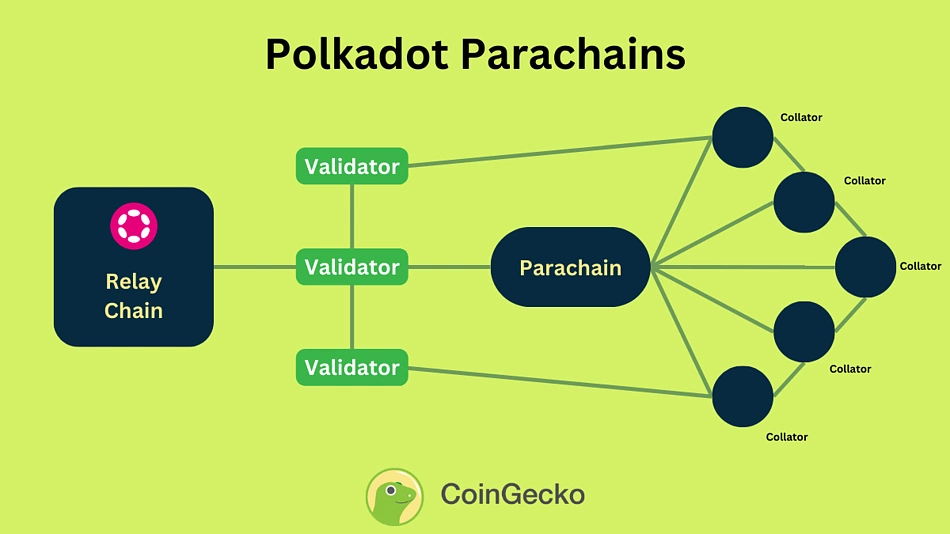
Skip building your own chain. Use a modular appchain framework like Thirdweb’s AppChain to access cross-chain swaps and generalized message passing. This lets dApps tap into multi-chain liquidity without managing separate node infrastructure or consensus mechanisms.
For institutional or high-stakes use cases, leverage a tokenized collateral network like DTCC’s AppChain. This approach enhances liquidity and transparency by automating collateral management across global markets, reducing the need for manual reconciliation.

If you cannot build a custom chain, use a DEX aggregator that routes orders across multiple appchains. This mimics a unified pool by finding the best prices across fragmented sources, though it adds slight latency compared to native settlement.
Spot Weak Options in Appchain Liquidity
Unified liquidity pools promise to solve fragmentation, but not every implementation delivers. Many projects market "appchains" as standalone liquidity engines while relying on centralized bridges or opaque routing. This section identifies common pitfalls and weak options to avoid.
Centralized Bridge Dependency
Some appchains claim full decentralization but route cross-chain swaps through a single custodian. If that custodian freezes or is compromised, the entire liquidity pool freezes. Look for protocols that use decentralized messaging layers like Thirdweb’s AppChain, which enables secure asset transfers and generalized message passing without a single point of failure.
Illiquid Token Pairs
A pool may look deep on paper but hold 90% of its value in one volatile asset. This creates slippage for even small trades. Verify that liquidity is distributed across multiple stablecoins or blue-chip tokens. DTCC’s collateral appchain, for example, focuses on tokenized traditional assets, ensuring that liquidity is backed by regulated, liquid instruments rather than speculative tokens.
Hidden Fees in Cross-Chain Swaps
Many unified pools advertise low fees but charge hidden costs for bridging or swapping. Always check the total cost of ownership, including gas fees on both chains and bridge fees. A truly unified pool should minimize these costs through optimized routing or native settlement layers.
Lack of Transparency
Some appchains do not publish their liquidity sources or reserve proofs. This makes it impossible to verify if the pool is backed by real assets. Always choose protocols that offer on-chain transparency and regular audits. The DTCC’s approach to tokenized collateral management emphasizes transparency and automation, setting a standard for how appchains should handle liquidity.
Appchain liquidity: what to check next
Unified liquidity pools and appchains are reshaping how capital moves, but they introduce new mechanics that require scrutiny. The following answers address the most common practical objections regarding collateral networks, institutional infrastructure, and liquidity fragmentation.
No comments yet. Be the first to share your thoughts!