
Appchain liquidity in 2026: the fragmentation limits to account for
Appchain liquidity in 2026 faces a structural constraint that threatens to undermine the very efficiency these specialized chains promise. While appchains offer tailored security and compliance, they often isolate capital within narrow silos. In 2026, the market is shifting from isolated experimentation to unified liquidity pools, where fragmented assets can move freely without sacrificing the specific governance rules each chain requires.
The primary challenge is that traditional liquidity models rely on broad, homogeneous networks. Appchains, by design, are heterogeneous. When capital is trapped in a single appchain, it cannot easily flow to where it is most needed, leading to high slippage and underutilized collateral. This fragmentation is particularly acute for institutional players who require deep, reliable liquidity across multiple specialized environments.
Unified liquidity pools address this by creating a shared settlement layer that connects disparate appchains. Instead of managing separate liquidity reserves for each chain, protocols can access a pooled resource that respects cross-chain permissions. This approach reduces the capital burden on individual chains while maintaining the security and compliance boundaries that institutions demand.
The transition is already visible in major infrastructure developments. For instance, the DTCC Collateral AppChain is moving toward production, signaling a shift from theoretical models to real-world asset integration. This infrastructure aims to carry proof of collateral across chains, enabling real assets and workflows to function seamlessly within the appchain ecosystem. As these networks mature, the focus will remain on solving the fragmentation crisis through unified, rather than isolated, liquidity mechanisms.
Appchain liquidity 2026 choices that change the plan
Unified liquidity pools promise to solve fragmentation, but the engineering and economic tradeoffs are concrete. You are not just choosing a chain; you are choosing a risk profile for capital efficiency, security, and counterparty exposure. The market is shifting from experimental bridges to production-grade collateral networks, as seen with the DTCC Collateral AppChain moving toward deployment. This shift prioritizes real assets and regulated workflows over speculative volume.
Cross-Chain Security vs. Latency
Bridging assets between isolated appchains introduces attack surfaces. Security models vary from optimistic rollups to zero-knowledge proofs, each with different finality times and fraud window risks. Lower latency often requires more centralized validators or lighter verification, increasing trust assumptions. High-security bridges may delay settlement by minutes or hours, impacting high-frequency trading strategies.
Capital Efficiency vs. Isolation
Shared liquidity pools maximize capital utilization by allowing assets to serve multiple chains. However, this creates contagion risk: a vulnerability in one chain can drain the shared pool. Isolated chains offer better containment but suffer from fragmented depth and higher slippage. The tradeoff is between efficiency and resilience. Institutions like those at Liquidity 2026 are debating how to balance these, often favoring hybrid models with strict risk limits.
Regulatory Compliance vs. Permissionless Access
Appchains designed for institutional use, such as tokenized collateral networks, must embed KYC/AML checks at the protocol level. This restricts access but satisfies regulatory bodies. Permissionless pools offer open access but face higher scrutiny and potential bans. The choice depends on your user base: retail traders prefer open access, while institutional clients require compliance-ready infrastructure.
| Factor | Shared Liquidity Pools | Isolated Appchains |
|---|---|---|
| Capital Efficiency | High (shared depth) | Low (fragmented depth) |
| Security Model | Complex (cross-chain risk) | Simpler (single-chain) |
| Latency | Variable (bridge delays) | Fast (native execution) |
| Compliance | Harder (cross-jurisdiction) | Easier (single jurisdiction) |
| Factor | Shared Pools | Isolated Chains |
|---|---|---|
| Capital Efficiency | High | Low |
| Security Model | Complex | Simpler |
| Latency | Variable | Fast |
| Compliance | Harder | Easier |
The decision ultimately rests on your priority: speed and simplicity or efficiency and scale. For most institutional use cases in 2026, the trend is toward regulated, semi-isolated chains with selective liquidity sharing. This approach balances the need for deep markets with the imperative of security and compliance.
How to choose the next step for unified liquidity
Unified liquidity pools are moving from experimental infrastructure to production-grade systems. The DTCC Collateral AppChain is a primary example of this shift, designed to carry proof-of-reserves and collateral workflows into real market demand [src-serp-1]. As institutions like those gathering at Liquidity 2026 discuss these frameworks, the focus is on practical implementation rather than theoretical potential.
To navigate this transition, evaluate your position against these four steps:

Map where your assets are currently trapped. Identify which chains hold idle capital and which require manual bridging. The goal is to quantify the cost of fragmentation before looking for solutions.
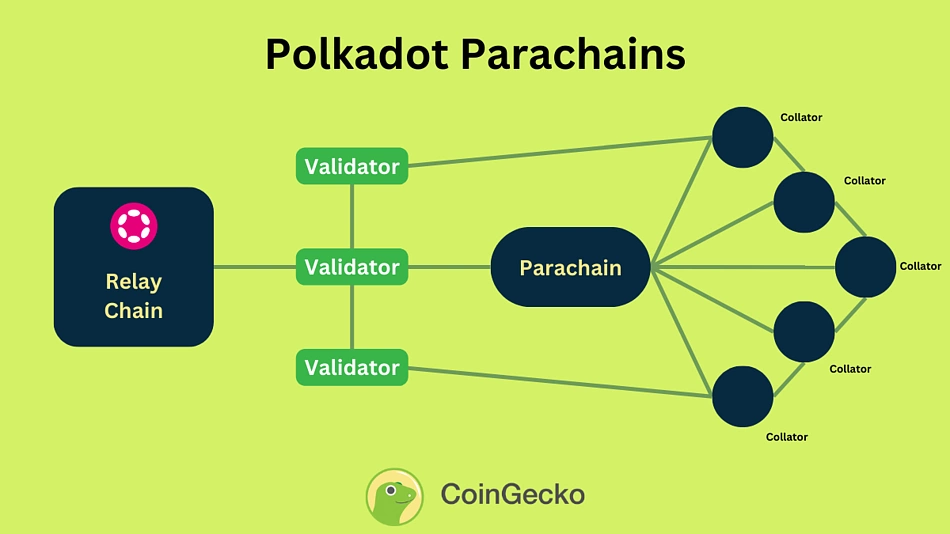
Not all appchains are created equal. Prioritize those with established cross-chain messaging protocols that allow liquidity to move without breaking custody rules. Look for infrastructure that mirrors the DTCC's approach to real-world asset settlement.

Research providers that aggregate liquidity across these appchains. The "best" provider depends on your specific asset class—whether it's crypto-native tokens or tokenized traditional finance assets. Compare their depth, slippage rates, and institutional compliance features.

Start with a small, non-critical asset pool. Test the unified liquidity mechanism against your current fragmented setup. Measure the speed of settlement and the reduction in operational overhead before scaling the integration.
The shift toward unified liquidity is not just about better yields; it is about infrastructure resilience. By following this framework, you can move from fragmented silos to a more efficient, production-ready liquidity landscape.
Avoid the weak options
Use this section to make the Appchain Liquidity decision easier to compare in real life, not just on paper. Start with the reader's actual constraint, then separate must-have requirements from details that are merely nice to have. A practical choice should survive normal use, maintenance, timing, and budget. If a recommendation only works in an ideal situation, call that out plainly and give the reader a fallback path.
The simplest way to use this section is to write down the must-have criteria first, then compare each option against those criteria before weighing nice-to-have features.
No comments yet. Be the first to share your thoughts!