
The appchain liquidity limits to account for
Appchains solve the scalability bottleneck by giving each application its own dedicated chain. This isolation removes the noise of unrelated transactions, but it creates a new problem: liquidity fragmentation. When capital is trapped behind individual chain walls, the network effect diminishes, and the value proposition of a dedicated chain weakens.
Traditional blockchains rely on a single, massive shared pool where users compete for the same resources. Appchains break this model. Without unified liquidity pools, each new chain must bootstrap its own order book or automated market maker from scratch. This leads to thin markets, high slippage, and poor execution prices for traders. The result is a fragmented ecosystem where capital is inefficient and users face higher costs.
Unified liquidity pools address this by allowing appchains to tap into shared capital reserves. Instead of launching in isolation, new chains can access deep liquidity from established networks. This approach mirrors how modern financial markets operate, where assets move freely between exchanges to find the best price. For modular blockchain architectures, this connectivity is not a luxury; it is a requirement for sustainable growth.
The challenge lies in securing this shared capital without compromising the autonomy of the appchain. Protocols must balance the need for deep liquidity with the security guarantees that make appchains attractive in the first place. Solving this constraint is the primary hurdle for widespread appchain adoption in 2026.
Appchain liquidity choices that change the plan
When evaluating appchain liquidity, you are weighing the benefits of dedicated capital against the risks of isolation. Unified liquidity pools promise to solve fragmentation, but the mechanics of how that liquidity moves—and who controls it—create distinct tradeoffs. Understanding these factors helps you choose the right architecture for your specific use case.
Capital Efficiency vs. Isolation
Dedicated appchains can concentrate liquidity for high-frequency trading or specific financial instruments, avoiding the gas wars of public chains. However, this isolation means capital cannot easily flow to where it is needed most if demand shifts. A unified pool allows for deeper order books and better price discovery by aggregating users from multiple chains, but it requires complex cross-chain messaging that can introduce latency or failure points.
Settlement Speed vs. Complexity
Appchains often offer faster finality for their specific applications, which is critical for real-time collateral management or high-throughput transactions. The tradeoff is the operational complexity of maintaining a dedicated validator set and security model. In contrast, shared security models (like rollups) simplify deployment but may sacrifice the granular control over block production and sequencing that some institutional players require for compliance and audit trails.
Security Model vs. Flexibility
Running a dedicated appchain gives you full control over your security parameters, but you are responsible for the entire stack. This means you must attract and incentivize validators, which can be costly and difficult for smaller projects. Leveraging a unified liquidity layer often means relying on the security of a base layer or a shared security provider, which reduces your operational burden but limits your ability to customize consensus rules or implement chain-specific upgrades.
Governance and Upgradability
Appchains typically have their own governance tokens and voting mechanisms, allowing for rapid iteration and community-driven upgrades. This flexibility is a double-edged sword; poor governance can lead to contentious hard forks or security vulnerabilities if consensus is not maintained. Unified liquidity solutions often have more rigid upgrade paths to ensure stability across the ecosystem, which can slow down innovation but provides a more predictable environment for enterprise applications.
| Factor | Dedicated Appchain | Unified Liquidity Pool |
|---|---|---|
| Capital Depth | High for specific use cases, low for others | Aggregated depth across multiple chains |
| Settlement Finality | Fast, customizable | Dependent on base layer or bridge speed |
| Security Responsibility | Full stack, validator management | Shared or delegated security model |
| Upgrade Flexibility | High, independent governance | Lower, constrained by shared standards |
How to evaluate appchain liquidity models
Unified liquidity pools solve fragmentation by connecting isolated chains into a single shared resource. Instead of trading against thin, siloed order books, you trade against a deep, shared pool that spans multiple networks. This shift reduces slippage and improves capital efficiency for modular blockchains.
When choosing an appchain liquidity strategy, focus on these four practical checks:

Ensure the platform enables direct cross-chain swaps. Look for generalized message passing that lets dApps access multi-chain liquidity and settlement without manual bridging. This reduces friction for end-users and keeps capital moving efficiently.
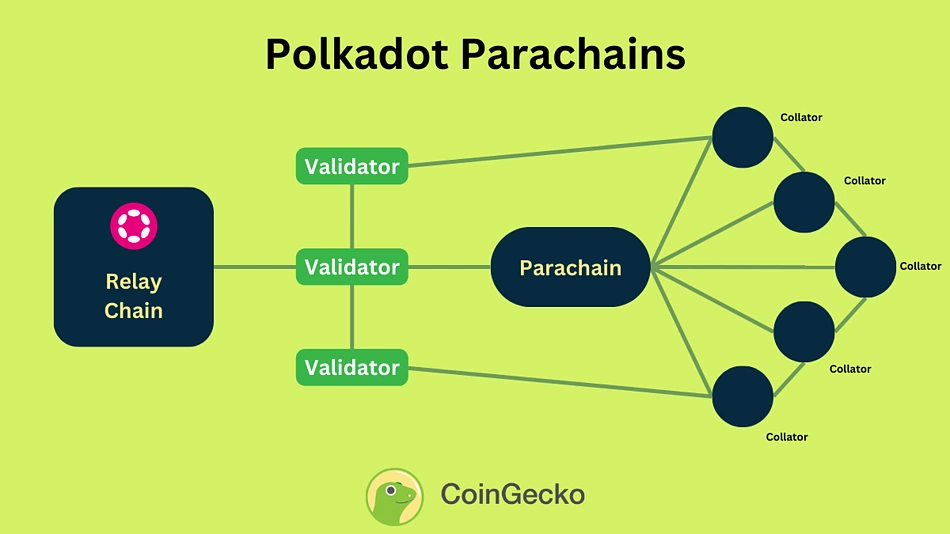
Automated collateral management is essential for institutional-grade appchains. Platforms like DTCC’s AppChain enhance liquidity and transparency by automating collateral handling across global markets. This reduces operational risk and ensures assets are readily available for trading.
Beyond token swaps, verify support for NFT movements and secure asset transfers. A robust appchain liquidity model should handle diverse digital assets, allowing seamless integration of non-fungible tokens and other complex instruments into the liquidity pool.
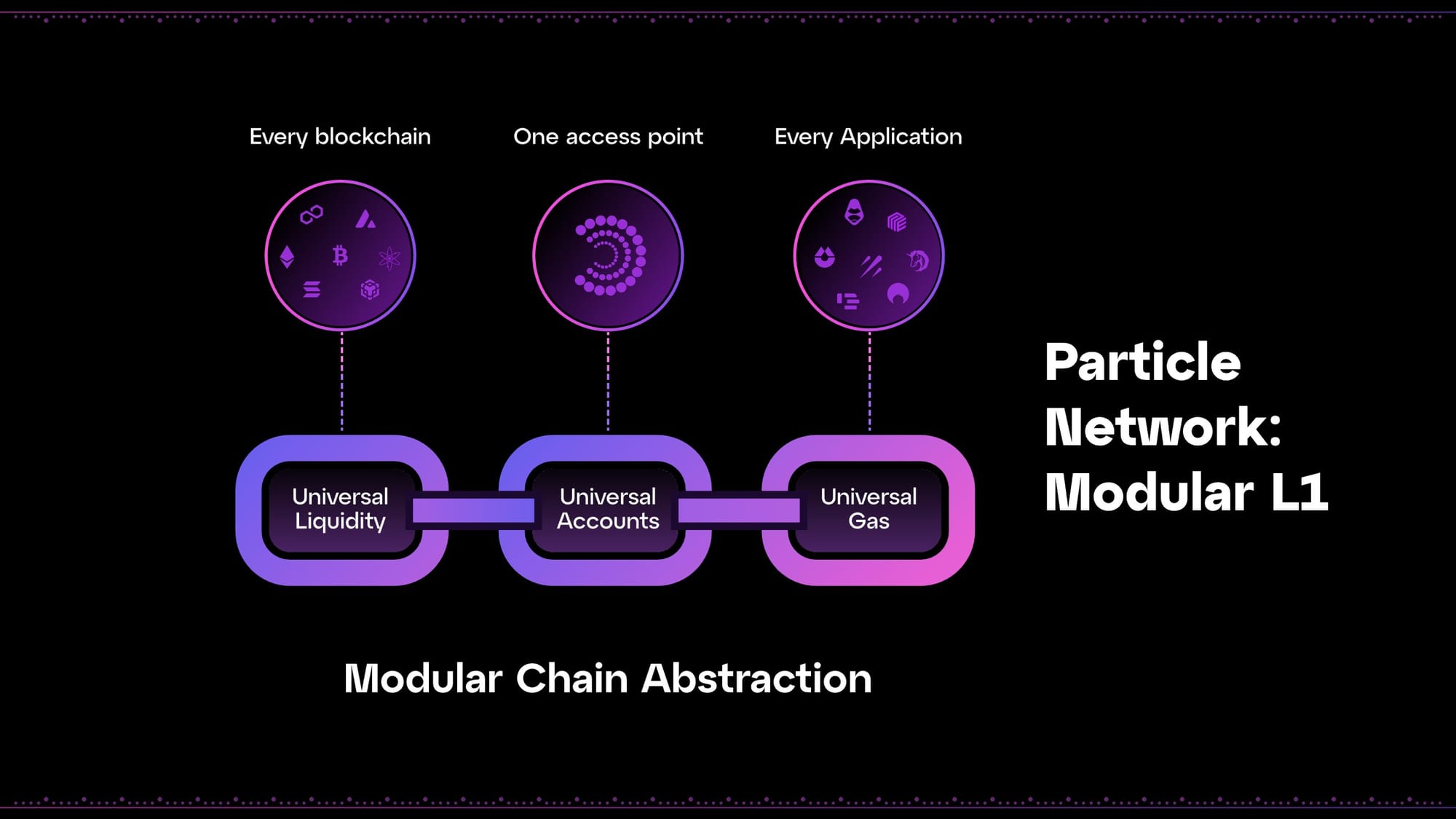
Confirm the solution is designed for modular architectures. It should integrate cleanly with separate execution, consensus, and data availability layers. This ensures scalability and security without compromising the performance of the underlying appchain.
By focusing on these checks, you can select an appchain liquidity model that truly solves fragmentation. The goal is a system that feels unified to the user, even if the underlying infrastructure is modular and distributed.
Spotting Weak Liquidity Options
Unified liquidity pools promise to solve fragmentation, but not every appchain option delivers. Many projects market themselves as "modular solutions" while still relying on siloed assets. Before committing capital, you need to know what to avoid.
The "Generalized Message Passing" Trap
Some platforms claim to enable cross-chain swaps and NFT movements through generalized message passing. While technically impressive, this often means your assets are locked in a complex bridge rather than freely moving. If the settlement layer isn't truly unified, you're just swapping one bottleneck for another.
Tokenized Collateral Overpromises
Marketing materials from providers like DTCC or Thirdweb highlight enhanced liquidity and automation. However, these benefits only materialize if the underlying appchain has deep, active markets. A tokenized asset with no traders is just a digital receipt. Check the actual volume, not the roadmap.
Fragmentation That Isn't Solved
The biggest mistake is assuming "multi-chain liquidity" equals unified liquidity. If your dApp still needs to manage separate bridges for each chain, you haven't solved fragmentation. Look for native unified pools where liquidity is shared across chains from the start, not patched together later.
Appchain liquidity: what to check next
Appchain liquidity addresses the fragmentation that plagues modular blockchains. By consolidating capital into unified pools, these chains allow dApps to access deep liquidity without competing for blockspace on congested L1s. This setup reduces gas friction and enables settlement speeds that public networks often cannot match.
No comments yet. Be the first to share your thoughts!