
The 2026 liquidity landscape
The era of massive central bank injections is likely over. Liquidity in 2026 is shifting from generic macro support to private sector investments and corporate balance sheets. This structural change means market health now depends on specific, on-chain capital flows rather than broad monetary easing.
For appchain liquidity, this shift creates a distinct opportunity. Native asset swaps are becoming the primary mechanism for capturing value, as users demand efficiency that generic layer-2s cannot provide. Cross-chain efficiency is no longer a luxury; it is the baseline requirement for sustaining trading volume.
As Delphi Digital and other analysts note, the liquidity chart that matters most in 2026 is not just about volume, but about where that volume originates. The rise of appchains allows for specialized liquidity pools that cater to specific use cases, reducing slippage and improving capital efficiency for native assets.
Why native asset swaps matter
The architecture of decentralized finance is undergoing a fundamental shift. For years, cross-chain liquidity has relied on wrapped assets—synthetic tokens representing a native coin on a different blockchain. While functional, this model introduces significant friction. Every swap through a bridge adds layers of complexity, gas fees, and, most critically, security exposure. In 2026, the focus is moving away from these fragile intermediaries toward native asset swaps that allow tokens to move and trade in their original form.
This transition addresses the "bridge tax"—both financial and technical. Traditional bridges require locking assets on the source chain and minting equivalents on the destination. This process is slow and creates a centralized point of failure. If the bridge contract is compromised, the wrapped assets become worthless. Native asset swaps, facilitated by modern appchain frameworks, eliminate the need for explicit bridge deployments. Instead, liquidity is shared directly between chains, reducing the attack surface and lowering transaction costs.
The technical advantage is clear. When assets remain native, they retain their original consensus security and settlement properties. There is no need to trust a third-party validator set or a multi-signature wallet to manage the peg. This efficiency is particularly vital for high-frequency trading and institutional liquidity providers who cannot afford the latency and risk associated with wrapped tokens. As appchains become more interconnected, the ability to swap native assets seamlessly will determine which networks capture real economic value.
Top appchain frameworks for 2026
The infrastructure layer for appchain liquidity is shifting from isolated deployments to interconnected ecosystems. In 2026, the most effective appchains are those that enable native asset swaps and cross-chain efficiency without relying on fragile, manual bridge deployments. The following frameworks lead this transition by prioritizing shared liquidity and seamless interoperability.
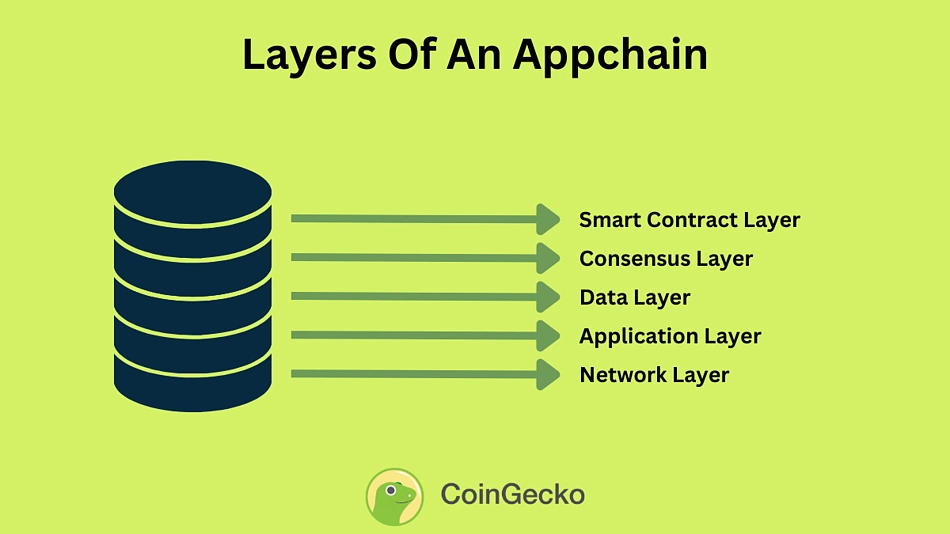
Cosmos SDK
The Cosmos SDK remains the dominant choice for appchains requiring native asset swaps. Its IBC (Inter-Blockchain Communication) protocol allows chains to exchange tokens and data natively, treating other chains as peers rather than external liquidity pools. This architecture eliminates the need for wrapped tokens or centralized exchanges for basic swaps, significantly reducing friction for users. For developers, the modular nature of the SDK means they can customize consensus and networking layers while inheriting the robust security of the broader Cosmos ecosystem. This approach ensures that liquidity is not trapped within a single chain but flows freely across the network.
Polygon CDK
Polygon’s Chain Development Kit (CDK) offers a modular framework designed for high-throughput appchains that need to share liquidity with the Polygon ecosystem. By leveraging Polygon’s existing liquidity pools and bridging infrastructure, developers can launch chains that instantly tap into deep liquidity reserves. The CDK supports various consensus mechanisms, allowing teams to optimize for either decentralization or speed depending on their use case. This flexibility is critical for appchains that need to process high volumes of transactions while maintaining low costs, making it a strong candidate for consumer-facing applications.
Arbitrum Orbit
Arbitrum Orbit is built for appchains that prioritize security and integration with the Ethereum ecosystem. It allows developers to deploy custom L3 chains that inherit the security of the Arbitrum Nitro stack and, by extension, Ethereum. The framework is designed to share liquidity with the broader Arbitrum and Ethereum networks, enabling seamless asset transfers without complex bridging. This is particularly valuable for appchains that require the security guarantees of Ethereum while needing the scalability and customization of a dedicated chain. The result is an appchain that feels like a native part of the Ethereum economy rather than an isolated island.
Comparison of Appchain Frameworks
The table below summarizes how these leading frameworks handle liquidity sharing and bridge dependency, which are the primary factors driving efficiency in 2026.
| Framework | Liquidity Model | Bridge Dependency |
|---|---|---|
| Cosmos SDK | Native IBC Swaps | None for IBC peers |
| Polygon CDK | Shared Polygon Pools | Low (Polygon Bridge) |
| Arbitrum Orbit | Ethereum L3 Inheritance | Low (Arbitrum Bridge) |
Institutional adoption signals
The convergence of traditional finance and digital assets moved from theoretical discussion to operational reality at the Liquidity 2026 Summit in Hong Kong. Hosted by LTP Hong Kong on February 9, 2026, the event gathered global institutional leaders to address the structural shifts in multi-asset market infrastructure. The gathering signaled that appchain liquidity is no longer a niche experiment but a foundational layer for institutional capital deployment.
"Liquidity 2026 brought together the architects of digital asset infrastructure to define the standards that will govern the next decade of cross-chain capital efficiency."
The summit’s focus on native asset swaps and cross-chain efficiency reflects a broader market maturation. According to Citibank insights, while the era of massive central bank injections may be ending, liquidity remains a subtle support for markets. The source of this liquidity is shifting toward private sector investments and corporate balance sheets, which require the seamless, low-latency settlement that appchains provide.
Institutional interest is now driven by the need for predictable yield and operational certainty. The discussions at Liquidity 2026 highlighted how appchains reduce the friction of cross-border settlements, allowing institutions to deploy capital across multiple chains without the slippage and counterparty risks associated with legacy bridges. This structural efficiency is the primary driver behind the recent surge in institutional adoption signals.
Practical steps for liquidity integration
Integrating native asset swaps into your appchain infrastructure requires a structured approach to ensure capital efficiency and user adoption. The following checklist guides operators through the critical phases of implementation, from initial asset selection to final cross-chain routing.


By following these steps, operators can build a robust liquidity foundation that supports sustainable growth and minimizes the risks associated with new chain launches.
Common questions about appchain liquidity
Will liquidity increase in 2026?
Market analysis suggests liquidity will remain a "subtle support" for asset prices this year. The era of massive central bank injections is likely over, shifting the burden of market health to private sector investments and corporate balance sheets. For appchains, this means native liquidity must be generated organically through utility rather than relying on broad macroeconomic tailwinds.
How do I earn rewards on Binance Square?
Binance Square allows users to create content around trading setups, analysis, or news insights. Focusing on popular pairs like $BTC, $ETH, and $SOL can increase engagement. Higher-value and more creative posts often lead to greater rewards, providing an alternative revenue stream for active traders and analysts.
What is the Liquidity 2026 Summit?
The Liquidity 2026 Summit is scheduled for February 9, 2026, in Hong Kong. The event focuses on multi-asset market infrastructure, offering a key venue for discussing the evolving landscape of appchain liquidity and cross-chain efficiency.
No comments yet. Be the first to share your thoughts!