
Why appchain liquidity matters in 2026
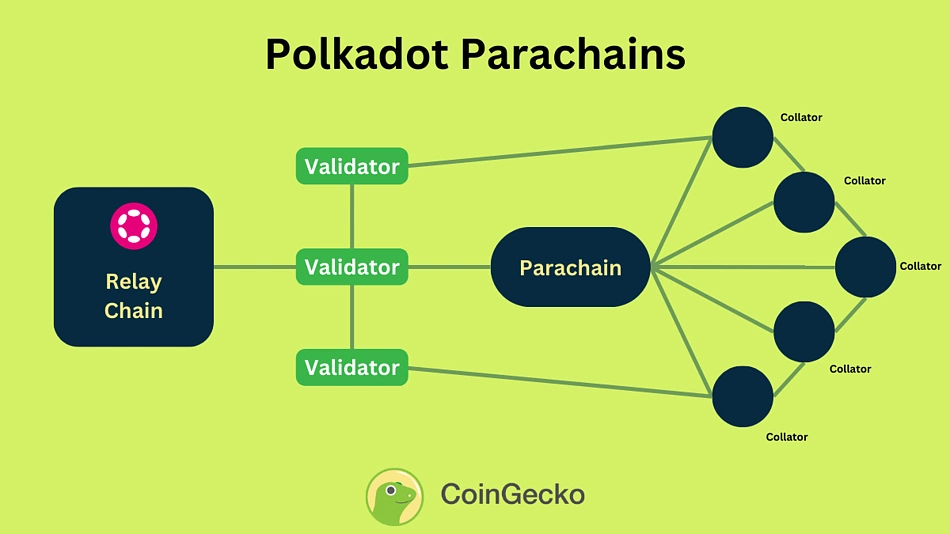
The blockchain landscape has shifted from monolithic chains to modular appchains. While this specialization allows developers to tailor consensus and execution layers to specific needs, it has fractured liquidity. Assets are now trapped in isolated silos, making cross-chain transactions slow, expensive, and risky. In 2026, the primary bottleneck for appchain adoption is no longer technology, but access to unified capital.
A universal liquidity layer is emerging to solve this fragmentation. Instead of relying on fragile bridge architectures that require multiple hops and expose users to smart contract risk, new protocols enable direct, atomic swaps between any appchain and the broader market. This shift transforms liquidity from a local resource into a global utility, allowing appchains to inherit the depth and stability of established networks without building their own order books from scratch.
For users and developers, this means seamless asset movement. You can deploy an appchain for a specific gaming economy or DeFi protocol and immediately tap into deep liquidity pools on Ethereum, Solana, or Bitcoin without manual wrapping. This infrastructure is the foundation for the next wave of scalable, user-friendly decentralized applications.
Top cross-chain liquidity protocols
Appchains need deep liquidity to function, but their isolated nature often limits direct access to capital. Cross-chain liquidity protocols solve this by routing orders across different networks, ensuring that transactions settle efficiently regardless of the underlying chain. For appchain developers, selecting the right infrastructure depends on how the protocol handles asset movement and price discovery.
These protocols generally fall into three technical categories: AMM-native networks that rely on decentralized exchanges, bridge-fed systems that move wrapped assets, and solver-networked architectures that use off-chain optimization. Understanding these approaches helps in choosing a solution that matches your appchain’s specific throughput and security requirements.
AMM-Native Protocols
AMM-native protocols operate directly on-chain, using automated market maker models to facilitate swaps without relying on centralized order books. This approach is ideal for appchains that prioritize censorship resistance and want to keep liquidity layers transparent and verifiable. The liquidity is often provided by decentralized pools, where users earn fees by contributing assets.
Thorchain stands out in this category by enabling native swaps across multiple chains without wrapping assets. This reduces the counterparty risk associated with bridge contracts. For appchains focused on DeFi or tokenized assets, integrating an AMM-native layer ensures that trading activity remains liquid and resilient to single points of failure.
Bridge-Fed Protocols
Bridge-fed protocols move assets between chains by locking them on the source chain and minting representative tokens on the destination. This model is often faster and cheaper for high-frequency trading because it avoids the complex routing logic of on-chain AMMs. However, it introduces trust assumptions, as users must rely on the bridge’s security model to prevent exploits.
Protocols like LayerZero or Wormhole facilitate this movement, allowing appchains to tap into liquidity from larger ecosystems like Ethereum or Solana. This is particularly useful for appchains that are new to the market and lack their own deep liquidity pools. By bridging in liquidity, these chains can offer competitive trading pairs immediately.
Solver-Networked Protocols
Solver-networked protocols use off-chain agents, or solvers, to find the best execution path across multiple venues before submitting a single transaction on-chain. This approach minimizes gas costs and slippage by aggregating liquidity from various sources. It is well-suited for appchains that handle high volumes of small transactions, as the computational heavy lifting happens off-chain.
This model is increasingly popular for layer-2 appchains and specialized blockchains that need to maintain low fees while offering deep liquidity. Solvers compete to provide the best prices, ensuring that users get optimal execution. This dynamic creates a more efficient market for appchain users who might otherwise face fragmented liquidity.
Protocol Comparison
The following table compares key metrics for leading protocols in each category to help you evaluate fit for your appchain.
| Protocol | Paradigm | Supported Chains | Liquidity Depth |
|---|---|---|---|
| THORChain | AMM-Native | Multi-Native | High |
| LayerZero | Bridge-Fed | EVM, Solana, Aptos | Medium |
| CowSwap | Solver-Networked | EVM | Medium |
Evaluating capital efficiency models
Capital efficiency determines how much trading volume a protocol can support relative to the amount of locked liquidity. For appchain developers, high efficiency means lower slippage for users and better yields for liquidity providers. The goal is to maximize the utility of every dollar deployed on the chain.
Different protocols achieve this through distinct mechanisms. Some rely on concentrated liquidity models that allow providers to target specific price ranges, while others use algorithmic bonding curves or cross-chain aggregation to reduce fragmentation. Understanding these models helps developers choose the right infrastructure for their tokenomics.
Concentrated Liquidity Protocols
Concentrated liquidity allows providers to allocate capital within specific price bands. This approach significantly reduces the amount of idle capital compared to traditional constant-product formulas. For appchains dealing with volatile tokens, this model offers tighter spreads and deeper order books at current prices. Protocols like Uniswap V3 pioneered this, but newer appchain-native solutions are optimizing it for faster finality and lower gas costs.
Cross-Chain Aggregators
Cross-chain aggregators pull liquidity from multiple sources to fill orders. This is critical for appchains that may not have deep native liquidity. By routing trades through networks like Thorchain or LayerZero-integrated DEXs, developers can access the best available prices across ecosystems. This reduces the need for massive local liquidity pools, lowering the barrier to entry for new chains.
Algorithmic Market Makers
Algorithmic market makers use mathematical formulas to price assets without relying on traditional order books. These models are particularly effective for appchains launching new tokens with limited historical data. They provide continuous liquidity and reduce the risk of front-running, which is common in manual market-making setups. Protocols like Curve specialize in stablecoin efficiency, while others like Balancer offer flexible weights for multi-asset pools.
Implementation tools and SDKs
Building an appchain requires more than just selecting a liquidity protocol; you need the SDKs and tooling to integrate it cleanly. Modern development stacks prioritize ease of use, allowing teams to customize liquidity pools without rewriting core blockchain logic. The best tools abstract the complexity of cross-chain communication, letting developers focus on the user experience rather than the underlying infrastructure.
Cosmos SDK and IBC
The Cosmos ecosystem offers the most mature framework for appchain development. The Cosmos SDK provides a modular structure that makes it straightforward to integrate existing liquidity protocols. Because Inter-Blockchain Communication (IBC) is built-in, connecting to external liquidity sources is a matter of configuration rather than custom coding. This reduces development time and minimizes the risk of integration errors.
Ethereum and EVM-Compatible Chains
For projects built on Ethereum or EVM-compatible chains, the focus is on smart contract interoperability. Tools like LayerZero and Wormhole provide the necessary SDKs to bridge liquidity from other networks. These protocols offer pre-audited contracts that developers can deploy directly, ensuring that assets move securely between the appchain and established liquidity hubs. The documentation for these tools is extensive, making them accessible even for smaller teams.
Custom Solvers and APIs
Advanced appchains often require custom liquidity solvers to handle specific asset pairs or trading strategies. Protocols like Thorchain and Thorchain’s Pooling mechanisms offer APIs that allow developers to query real-time liquidity depth. This level of customization ensures that the appchain can maintain tight spreads and high efficiency, even for less common trading pairs. Integrating these APIs requires a deeper understanding of liquidity dynamics but offers superior control over the user’s trading experience.

As an Amazon Associate, we may earn from qualifying purchases.
Common questions about appchain liquidity
Understanding how liquidity pools and cross-chain mechanics function is essential for selecting the right appchain infrastructure. These protocols determine how efficiently assets move between networks and how providers are compensated for their capital.
How do Thorchain liquidity pools work?
At the core of Thorchain's liquidity network are the pools that allow users to provide liquidity for various asset pairs. Liquidity providers (LPs) are rewarded for contributing their assets to these pools through trading fees and RUNE, Thorchain's native token. This symmetrical pooling mechanism ensures that assets can be swapped directly without wrapping or bridging in the traditional sense, reducing counterparty risk.
What is the difference between AMM-native and bridge-fed protocols?
AMM-native protocols, such as Uniswap or Thorchain, rely on automated market maker algorithms to price assets within isolated pools. Bridge-fed protocols, like LayerZero or Wormhole, often use external bridges to lock assets on one chain and mint wrapped equivalents on another. For appchains, AMM-native solutions typically offer deeper liquidity integration, while bridge-fed options may provide broader asset reach at the cost of higher security overhead.
Why is cross-chain liquidity important for appchains?
Appchains operate in a multi-chain environment where users expect seamless asset movement. Without robust cross-chain liquidity, users face high slippage and fragmented liquidity across different networks. Protocols that enable efficient cross-chain swaps ensure that appchain users can access the best prices regardless of their native asset, driving higher adoption and trading volume.
No comments yet. Be the first to share your thoughts!