
Define the liquidity target
Before configuring your appchain, you must determine whether the system requires settlement liquidity, trading liquidity, or both. This distinction dictates the technical architecture, tokenomics, and partner integrations. Institutional appchains prioritize collateral efficiency over speculative trading volume, so defining your primary use case early prevents costly re-architecture later.
Settlement liquidity (collateral)
Settlement liquidity ensures that assets can be posted as collateral for clearing and finalizing trades. This is the foundation for institutional-grade appchains, where the goal is to manage trillions in daily trading value with high transparency and automation. If your appchain’s primary function is to settle trades between financial institutions, you need a deep pool of high-quality collateral assets that can be moved near real-time.
The DTCC Collateral Appchain, for example, leverages the Chainlink Runtime Environment to enable this specific type of liquidity. Its design focuses on managing collateral across financial markets rather than facilitating open market speculation. When targeting settlement, your liquidity strategy should center on attracting institutional depositors who need efficient, auditable collateral management.
Trading liquidity (DEX depth)
Trading liquidity supports decentralized exchange (DEX) operations, allowing users to swap tokens with minimal slippage. This type of liquidity is essential if your appchain serves as a hub for open market trading or if you need to facilitate rapid asset conversion for retail or prosumer users. Unlike settlement liquidity, which is often locked or pledged, trading liquidity is dynamic and subject to market volatility.
Public blockchains often struggle with the depth required for large institutional trades, creating an opportunity for appchains that can aggregate liquidity from multiple sources. If your appchain needs to support high-frequency trading or large-order execution, you must build mechanisms to attract liquidity providers who will stake assets in pools to earn fees.
Assessing your primary use case
Most successful appchains focus on one primary function first. Trying to optimize for both settlement and trading simultaneously can dilute security and increase complexity. Ask yourself: Is the appchain a private ledger for clearing trades, or a public market for asset exchange? The answer will determine whether you partner with custodians for collateral or market makers for DEX depth.
Choose the cross-chain model
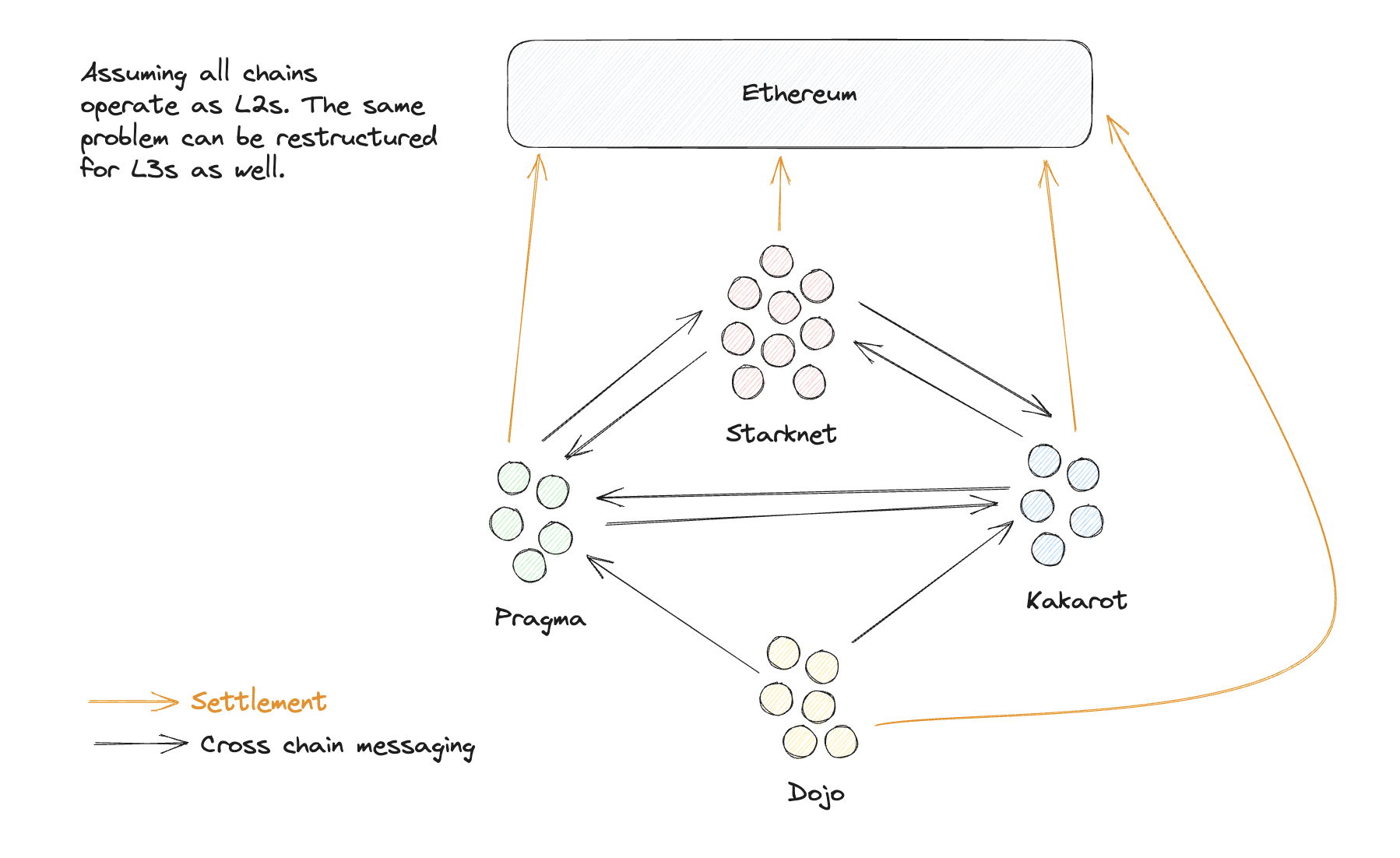
Appchain liquidity requires moving assets and data between the application-specific chain and external networks. The architecture you select determines how fast transactions settle and how much they cost. Three dominant models exist: native bridging, unified liquidity pools, and aggregated routing. Each approach carries distinct trade-offs in latency, capital efficiency, and security assumptions.
The choice depends on your priority: maximum security, lowest cost, or fastest execution. Institutional settlement often demands a hybrid approach, but understanding the base models is the first step.
Compare the three architectures
The following table summarizes the core differences between native bridging, unified pools, and aggregation layers.
| Model | Latency | Cost | Security Assumption |
|---|---|---|---|
| Native Bridging | High (minutes to hours) | Low (base gas only) | Trust-minimized (light client) |
| Unified Pools | Medium (seconds) | Medium (slippage + fees) | Liquidity pool risk |
| Aggregated Routing | Low (seconds) | High (multiple hops) | Smart contract complexity |
Native bridging
Native bridges lock assets on the source chain and mint wrapped versions on the destination. This model is the most secure for large institutional transfers because it relies on cryptographic verification rather than third-party custodians. However, the settlement time is slow, often requiring several minutes or hours for finality. It is best suited for capital allocation where speed is secondary to security.
Unified pools
Unified pools aggregate liquidity from multiple chains into a single interface. Users swap tokens directly against a pool, avoiding the need for separate minting and burning processes. This reduces latency significantly but introduces slippage costs and exposure to pool-specific smart contract risks. It works well for smaller, high-frequency operations where speed matters more than absolute capital preservation.
Aggregated routing
Aggregation layers split large orders across multiple venues and bridges to find the best price. This minimizes slippage but increases transaction complexity and gas costs due to multiple hops. The security model is more fragile because it depends on the integrity of every intermediate step. Use this for optimizing execution price when the transaction size justifies the added complexity.
Structure collateral and tokens
Institutional appchains require a strict hierarchy of assets to ensure settlement stability. You must select underlying tokens that satisfy both regulatory compliance and on-chain liquidity requirements. This section outlines the sequence for structuring these assets, referencing industry standards such as DTCC’s Collateral AppChain, which demonstrates how tokenized assets can manage liquidity across financial markets.
Identify the primary backing assets for your liquidity pool. Institutional settlement typically relies on tokenized short-term Treasuries or regulated stablecoins. These assets must have clear legal wrappers and proven on-chain stability. Avoid experimental tokens that lack audit trails or regulatory clarity, as they introduce unacceptable settlement risk.
Before integrating an asset, verify its liquidity depth and on-chain status. Ensure the token is listed on reputable decentralized exchanges or liquidity protocols that support institutional-grade slippage limits. Check the token’s contract for any restrictions on transfers, such as blacklisting capabilities, which may conflict with your appchain’s governance rules.
Define how these assets interact with your appchain’s native token. Establish clear collateral ratios and rebalancing mechanisms. For example, DTCC’s approach uses shared infrastructure to enable near real-time collateral management. Configure your smart contracts to automatically adjust collateral positions based on market volatility, ensuring the liquidity pool remains solvent during stress events.
Integrate aggregation tools
To ensure your appchain accesses deep liquidity without fragmenting its own order book, you must integrate with specialized DeFi aggregation protocols. These tools act as intelligent routers, scanning multiple external chains and decentralized exchanges (DEXs) to find the most efficient paths for settlement.
Start by selecting an aggregator that supports cross-chain interoperability standards compatible with your appchain’s architecture. The goal is to allow users to swap or settle assets from external liquidity pools directly on your chain, effectively borrowing depth rather than building it from scratch.
Next, configure the routing parameters to prioritize low slippage and minimal gas costs. This involves setting thresholds for maximum acceptable price impact and defining which external liquidity sources are trusted. Proper configuration prevents the appchain’s native token from being drained by inefficient cross-chain routes.
Finally, test the integration using simulated transactions that mimic institutional settlement volumes. Verify that the aggregator correctly routes large orders across the most liquid external pools. This step ensures that your appchain can handle significant throughput without compromising on execution quality or fragmenting the liquidity landscape.
Test the settlement flow
Validate the end-to-end appchain liquidity deployment by simulating cross-chain transfers under stress conditions. This checklist ensures that assets move securely between chains and settle correctly in the destination environment.

Use a testnet environment to trigger asset movements across the appchain and target settlement chains. Verify that bridge contracts accept deposits and release equivalent assets on the destination side without slippage or failure.
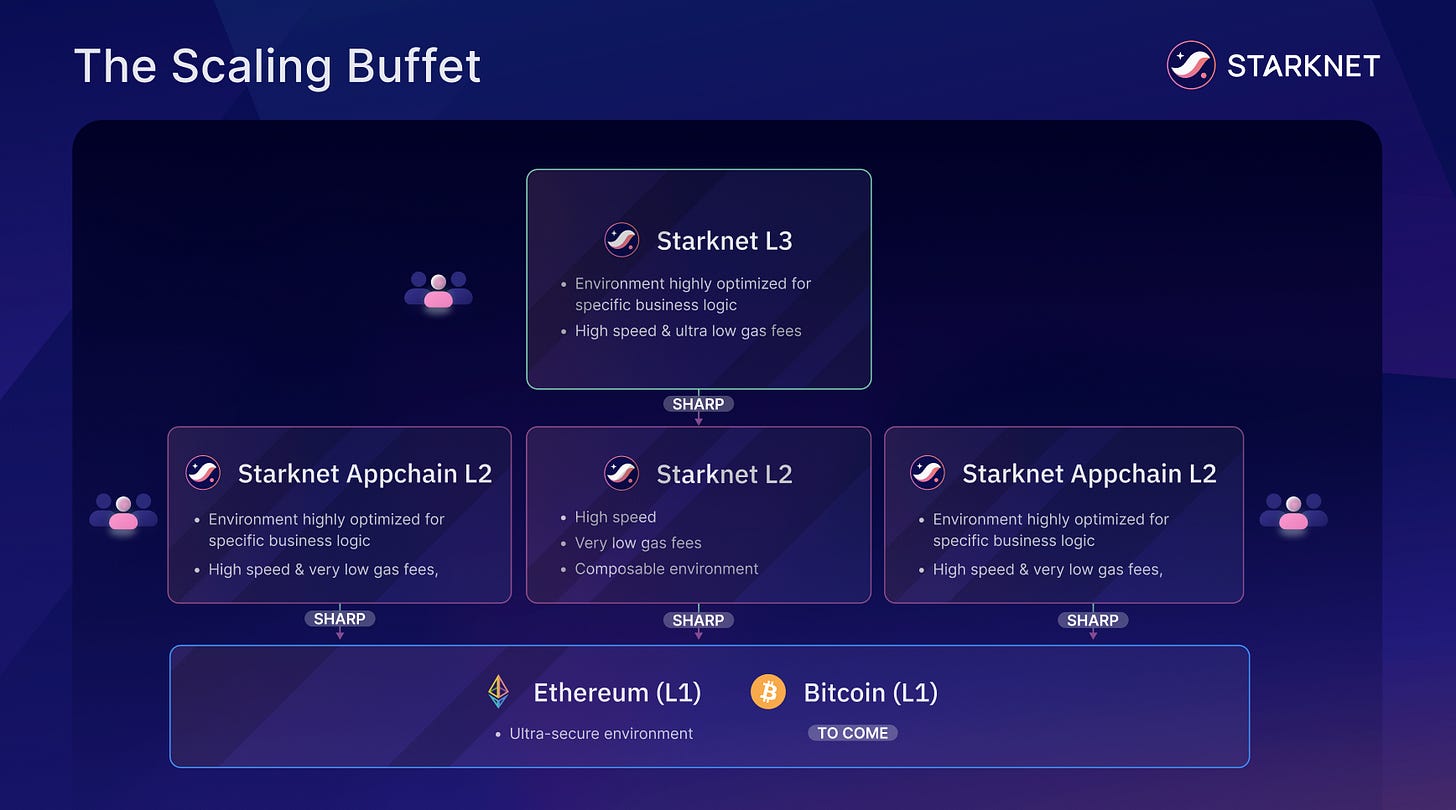
Confirm that the appchain maintains sufficient collateral reserves to handle peak settlement volume. Check that liquidity pools remain deep enough to absorb large trades without significant price impact, ensuring institutional-grade stability.
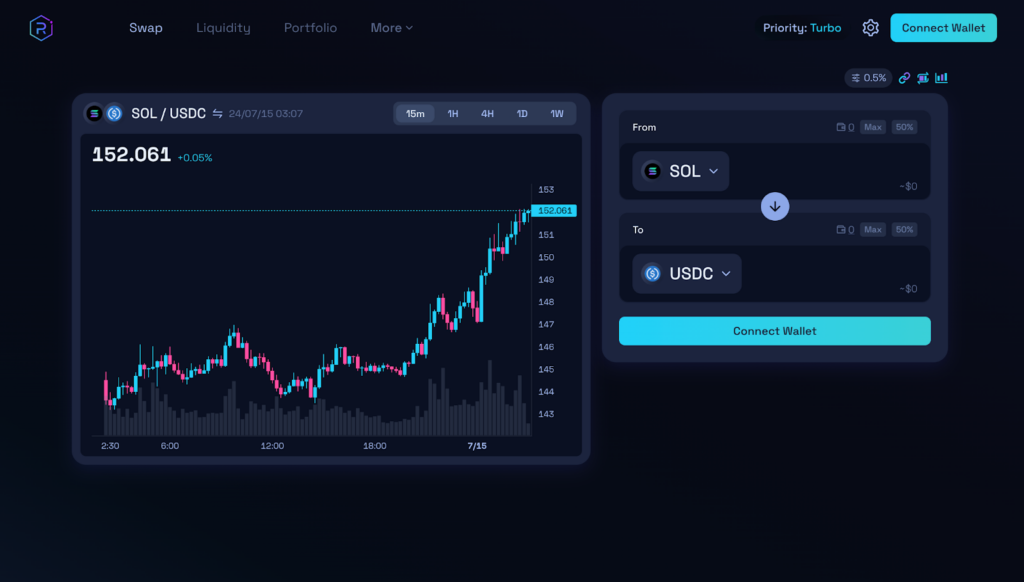
Force a failure in the primary liquidity aggregator to ensure the system automatically routes to secondary sources. Validate that message passing continues uninterrupted and that settlement finality is maintained even during network congestion or bridge outages.
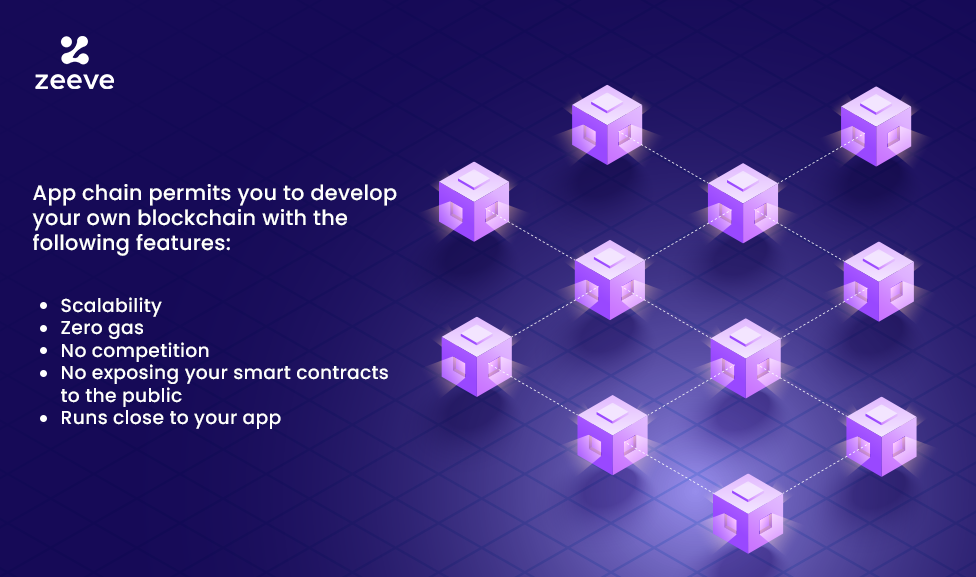
Common appchain liquidity: what to check next
These answers address frequent queries about DTCC AppChain and decentralized liquidity, focusing on practical deployment and settlement mechanics.
No comments yet. Be the first to share your thoughts!