
Set up the appchain infrastructure
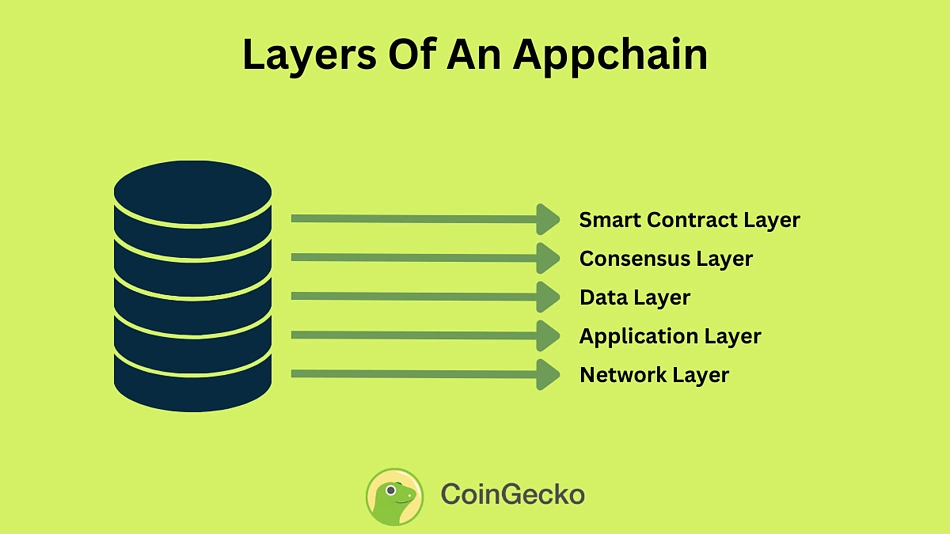
Deploying an application-specific blockchain (appchain) creates a dedicated settlement layer for your cross-chain asset management logic. Unlike shared Layer 2s that compete for block space with unrelated transactions, an appchain isolates your liquidity pools and governance rules. This separation ensures that your specific asset flows are not bottlenecked by general network congestion.
Follow these steps to provision the node and configure the initial parameters for your infrastructure.
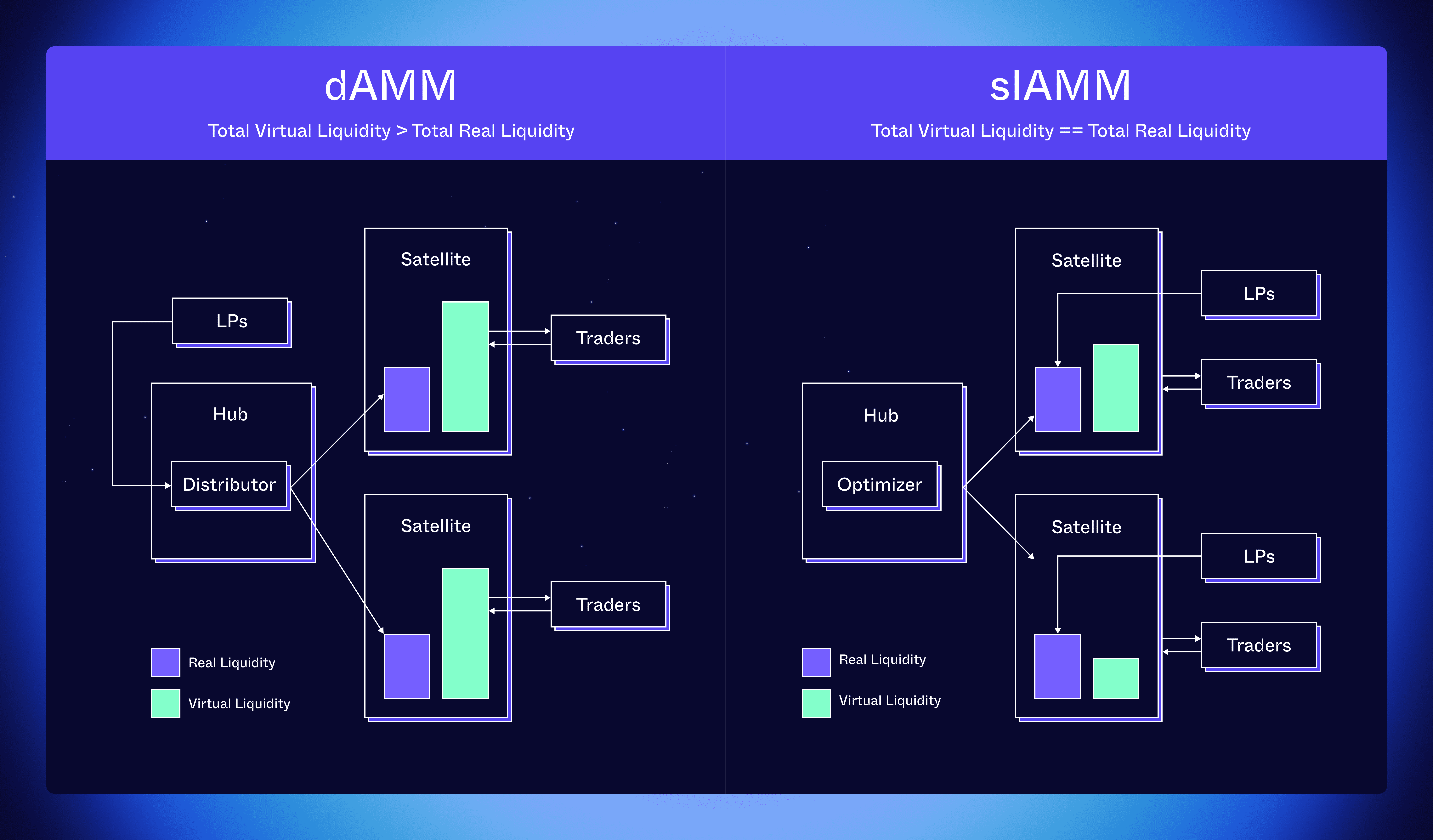
Choose a modular stack that separates execution, consensus, and data availability. Thirdweb and similar platforms allow you to spin up a dedicated chain without managing low-level consensus mechanisms. This approach lets you focus on liquidity mechanics rather than network security from scratch.

Define the validator set and data availability (DA) layer. For asset management, you need finality guarantees that prevent reorgs from disrupting trades. Connect your chain to a DA layer like Celestia or EigenDA to ensure transaction data is securely archived and accessible for verification.
Deploy an interoperability protocol such as LayerZero or Wormhole to bridge your appchain to existing liquidity hubs. This enables secure asset transfers and generalized message passing, allowing your dApp to access multi-chain liquidity without moving assets into a shared, congested environment.
Fund the initial liquidity pools on your new appchain. Since your chain is application-specific, you can tailor the fee structure and slippage parameters to your specific asset class. This customization attracts liquidity providers who need predictable execution conditions that public L2s cannot guarantee.
Once the infrastructure is live, verify that your cross-chain messaging contracts are correctly routing messages between the appchain and your primary liquidity sources. Test small transactions to ensure that settlement times meet your operational requirements before scaling up capital deployment.
Connect cross-chain liquidity bridges
Integrating generalized message passing and secure asset transfer protocols allows your appchain to access external liquidity without sacrificing sovereignty. This process functions as the central nervous system for cross-chain asset management, enabling dApps to execute swaps, move NFTs, and settle transactions across distinct ecosystems.
Select a Bridge Protocol
Choose a bridge architecture that aligns with your security model and latency requirements. The three primary standards each offer distinct trade-offs:
- IBC (Inter-Blockchain Communication): Provides trust-minimized, native interoperability, primarily within the Cosmos ecosystem. It offers high security but limited chain support.
- CCIP (Chainlink Cross-Chain Interoperability Protocol): Leverages Chainlink’s decentralized oracle network to verify messages across EVM and non-EVM chains, offering strong security guarantees for financial-grade transfers.
- LayerZero: Uses a lightweight verifier model to enable omnichain messaging, supporting a vast array of chains with lower gas costs, though it relies on a different trust model than IBC.
Configure Message Passing
Once the bridge is selected, configure the messaging layer to handle cross-chain state updates. This involves setting up the relayer nodes that validate proofs and deliver messages to the destination chain. Ensure your appchain’s smart contracts are equipped to receive and verify these incoming messages securely, preventing replay attacks or malformed state transitions.
Lock or Burn Source Assets
Initiate the liquidity transfer by locking assets in the source chain’s escrow contract or burning them if they are minted on the destination chain. This step secures the value being moved. For appchains, this often involves a specialized liquidity pool that manages the peg between the native asset and its wrapped representation on the external chain.
Verify and Release on Destination
The final step occurs on the target chain. The bridge’s verifier confirms the validity of the source transaction and triggers the release or minting of equivalent assets in the destination ecosystem. This completes the cycle, making the liquidity available for trading or utilization within your appchain’s dApps.
Manage collateral with tokenized assets
Tokenizing real-world assets (RWA) transforms static holdings into active liquidity. By moving collateral onto an appchain, you eliminate the friction of traditional settlement layers, allowing assets to be deployed instantly across chains. This approach reduces counterparty risk by keeping collateral visible and accessible in real time.
Start by selecting tokenized assets that align with your appchain’s native liquidity pools. The goal is to maximize collateral mobility—the efficient movement of assets across markets to meet margin and funding obligations. When capital moves freely, trapped value is freed, and overall market liquidity improves.
The DTCC Collateral AppChain demonstrates this at an institutional scale. Built on the Chainlink Runtime Environment, it enables near real-time collateral management across financial markets. This infrastructure proves that tokenized assets can handle the volume and transparency required for serious cross-chain asset management.

To manage this effectively, track your collateral utilization ratio. Ensure that tokenized assets are not over-collateralized to the point of inefficiency, nor under-collateralized to the point of risk. Regular audits of on-chain positions help maintain the balance between liquidity and security.
Monitor liquidity fragmentation risks
Liquidity fragmentation occurs when assets are spread thinly across multiple appchains and L2s, reducing market depth and increasing slippage. As developers capture value on specialized chains, capital often becomes trapped in isolated pools, making cross-chain asset management inefficient. To maintain robust trading conditions, you must actively monitor and rebalance these distributed funds.
Audit cross-chain depth
Begin by analyzing the total value locked (TVL) and trading volume across your deployed appchains. Use tools like L2Beat to track scaling project metrics and identify chains with declining activity. If a specific appchain shows low volume relative to its TVL, liquidity is likely fragmented and inefficient. Prioritize chains where capital is actively turning over rather than sitting idle.
Implement rebalancing strategies
Once you identify isolated pools, move capital to high-liquidity hubs or use cross-chain liquidity aggregators to consolidate funds. This reduces the risk of failed transactions due to insufficient depth. Establish automated alerts for depth drops on critical chains to ensure you can react before slippage impacts user experience or profitability.
Verify real-time data sources
Rely on official data sources like Chainlink for collateral mobility and real-time price feeds to verify liquidity health. Avoid relying on delayed or aggregated data that may mask fragmentation issues. Regular audits of your liquidity distribution ensure that your cross-chain infrastructure remains resilient and cost-effective.
Verify security and compliance standards
Before launching your appchain, you must validate that it meets the rigorous security and regulatory requirements for high-stakes financial applications. Unlike public blockchains, appchains handling collateral mobility require tailored governance, identity verification, and audit trails to satisfy institutional standards.
1. Conduct a Smart Contract Audit
Engage a reputable third-party auditor to review your appchain’s core contracts. Focus on reentrancy protections, access control, and oracle integration. For collateral management, ensure the logic for asset locking and release is tamper-proof.
2. Implement Identity and Access Management (IAM)
Financial appchains often require permissioned nodes. Integrate KYC/AML checks for node operators and define role-based access controls for sensitive operations. This ensures that only verified entities can interact with collateral pools.
3. Verify Regulatory Alignment
Ensure your appchain’s design aligns with relevant financial regulations, such as SEC or MiCA guidelines, depending on your jurisdiction. Document your compliance framework, including transaction monitoring and reporting capabilities.
4. Test Cross-Chain Security
Since appchains rely on cross-chain bridges for liquidity, rigorously test the bridge’s security. Verify that the bridge can handle high-volume transactions without exposing assets to exploits. Consider using established bridge providers with proven track records.
5. Establish a Bug Bounty Program
Launch a bug bounty program to incentivize white-hat hackers to find vulnerabilities. This provides an additional layer of security and demonstrates your commitment to transparency and safety.
-
Smart contract audit completed by a reputable firm
-
Identity and access management (IAM) implemented
-
Regulatory alignment documented for target jurisdictions
-
Cross-chain bridge security tested and verified
-
Bug bounty program launched and active
Frequently asked questions about appchain liquidity
What is DTCC AppChain?
DTCC’s Collateral AppChain is a shared infrastructure platform designed to modernize collateral management. It leverages the Chainlink Runtime Environment (CRE) and Chainlink data standards to enable near real-time collateral management across financial markets and blockchains. This setup allows institutions to manage assets more efficiently than traditional, siloed systems allow. For more details, see the DTCC announcement on their collaboration with Chainlink.
What is collateral mobility?
Collateral mobility refers to the efficient movement of assets across different markets and jurisdictions to meet margin and funding obligations. When collateral is mobile, it frees trapped capital, reduces counterparty risk, and enhances overall market liquidity. This concept is central to how tokenized assets can reshape liquidity management in global finance.
What is decentralized liquidity?
Decentralized liquidity is the ability for tokens or cryptocurrency to be swapped for other tokens without a central intermediary. In DeFi, liquidity providers are incentivized to add tokens to liquidity pools because they receive trading fees and rewards. This mechanism ensures that assets remain tradable and accessible across decentralized exchanges.
No comments yet. Be the first to share your thoughts!