
What is appchain liquidity?
Appchain liquidity refers to the capital efficiency achieved by application-specific blockchains. Unlike shared Layer 1 networks where billions in value compete for block space, appchains isolate capital within a dedicated chain built for a single use case. This isolation allows developers to tune consensus mechanisms, gas fees, and token economics specifically for their application, rather than adapting to the generic constraints of a general-purpose network.
In a shared L1 environment, liquidity is fragmented not just by token, but by competition. A high-frequency trading bot, a casual NFT minter, and a stablecoin transfer all vie for the same limited block space, driving up costs and latency. Appchain liquidity solves this by creating a private lane. The capital trapped within an appchain is entirely dedicated to that application’s ecosystem, ensuring that every transaction contributes directly to the network’s specific throughput and security model.
This model requires robust interoperability to function. Without bridges or communication protocols, appchain liquidity remains siloed and less useful. However, when connected, it offers a superior alternative to the "tragedy of the commons" seen in congested Layer 1s. Developers can sell block space directly to their users or validators, creating a more predictable and efficient economic model for both builders and participants.
For a deeper technical breakdown of how these chains are architected, see Conduit’s guide on appchains Conduit XYZ and CoinMarketCap’s explanation of application-specific blockchains CoinMarketCap.
The liquidity trap of isolated chains
Appchains offer dedicated resources and custom governance, but they inherit a structural weakness: liquidity fragmentation. When a dApp launches on its own chain, it starts with an empty order book. Unlike Ethereum, where capital pools together across thousands of applications, an appchain’s capital is siloed. This isolation creates thin markets, high slippage, and poor price discovery.
Consider a DEX deployed on a new appchain. Without the deep liquidity of a Layer 1 like Ethereum, even modest trades can cause significant price impact. Traders face wider spreads, and liquidity providers struggle to earn sustainable yields because the volume is insufficient. The result is a vicious cycle: low liquidity deters traders, and lack of traders deters liquidity.
This fragmentation forces builders to choose between sovereignty and depth. An appchain can be fast and cheap, but if no one is trading on it, those advantages matter little. Solving this requires bridging capital across chains without sacrificing the security and customization that appchains provide.
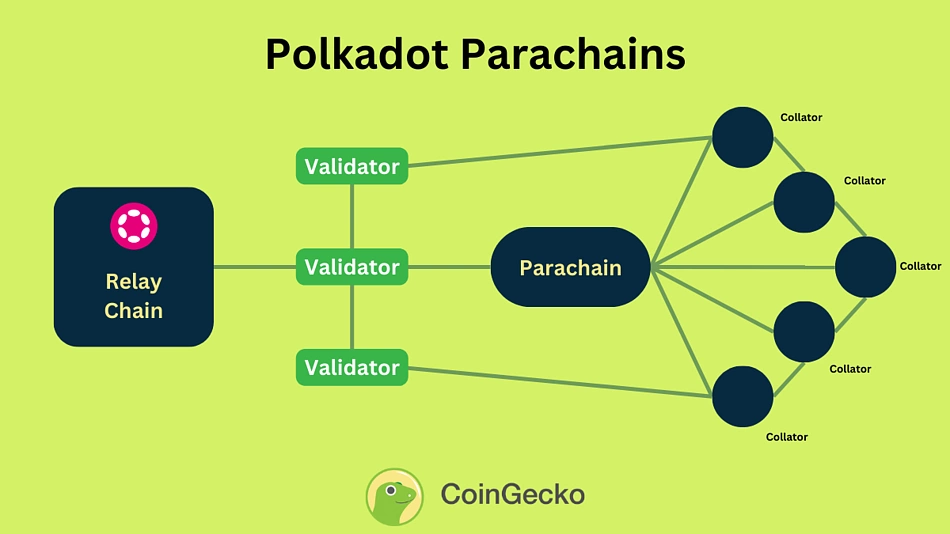
Unified cross-chain pools
Fragmented liquidity is the single biggest friction point for appchains. When capital is siloed across isolated networks, users face high slippage and incomplete order books. Unified cross-chain pools solve this by aggregating depth into a single execution layer, allowing dApps to access multi-chain liquidity without sacrificing their unique economic models or governance.
The mechanism works by creating a shared liquidity layer that sits above individual appchains. Instead of each chain maintaining a separate, shallow pool for every asset, a unified pool aggregates deposits from multiple chains. This creates a deep order book that absorbs large trades with minimal price impact.
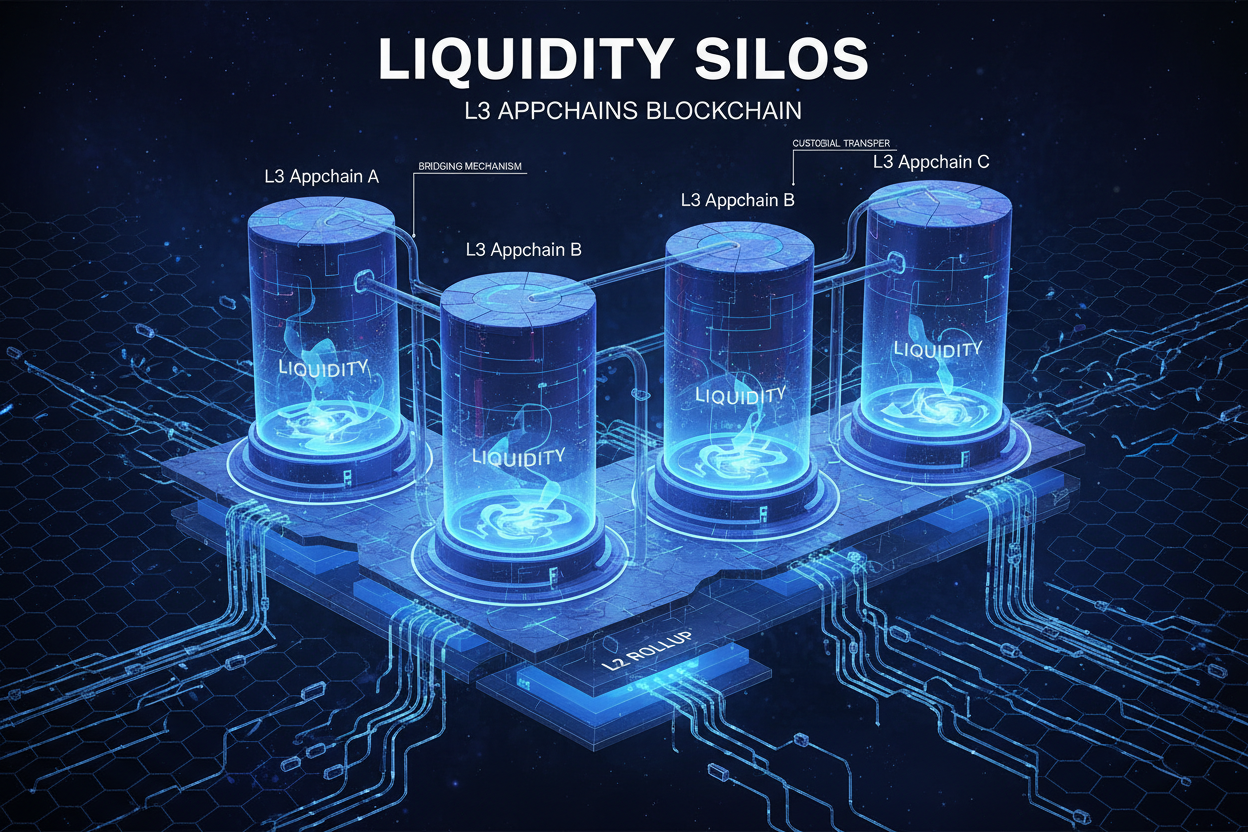
Thirdweb’s appchain architecture demonstrates this approach, enabling secure asset transfers, cross-chain swaps, and generalized message passing. By routing trades through a unified pool, dApps can settle transactions on the most efficient chain while drawing liquidity from a broader capital base. This reduces the need for users to bridge assets manually or accept poor execution prices.
The result is a more efficient capital market. Traders get better prices, developers get deeper liquidity, and appchains retain their sovereignty. As the ecosystem matures, unified pools will likely become the standard for any appchain that prioritizes user experience and capital efficiency.
How DTCC Uses Appchains for Collateral
Tokenized collateral has the potential to unlock significant capital and reshape liquidity management. The question is how markets get there.
DTCC’s Collateral AppChain
The Depository Trust & Clearing Corporation (DTCC) is moving beyond pilot programs to production-grade appchains that handle real-world asset liquidity. Unlike public blockchains, which impose high gas fees and unpredictable latency, DTCC’s Collateral AppChain is built to handle the volume and compliance requirements of global markets without the overhead.
This dedicated chain allows institutional players to manage collateral more efficiently. By isolating the workload, the appchain enhances transparency and automation across settlement processes. It removes the friction that typically slows down the movement of tokenized assets between custodians and clearinghouses.
Why Appchains Matter for Institutions
For traditional finance, the barrier to entry has always been complexity. Public chains require navigating congestion and security risks that are unacceptable for high-stakes collateral management. An appchain solves this by providing a tailored environment. It offers the security and immutability of blockchain technology while maintaining the control institutions need.
The result is a system where collateral can move faster and with greater clarity. This efficiency drives liquidity by reducing the capital that institutions must keep in reserve to cover settlement risks.

The DTCC’s approach signals a shift from experimental blockchain use to integrated financial infrastructure. As more institutions adopt similar appchain models, the fragmentation of liquidity across different ledgers may begin to resolve, creating a more unified market for tokenized assets.
Learn more about DTCC’s Collateral AppChain
Ecosystem growth drivers
Appchain adoption in 2026 is accelerating because developers finally have the infrastructure to build without compromise. The barrier to entry has dropped significantly with standardized tooling that abstracts the complexity of consensus, networking, and security. Teams can now spin up dedicated chains in days rather than months, allowing them to focus on product-market fit instead of protocol engineering.
This shift is driven by two main factors: better developer experience and institutional demand for isolated settlement. As L2Beat notes, appchains allow developers to capture the value their dApps create, enabling sustainable economic models that were previously impossible on shared chains. This economic isolation is critical for applications that require specific tokenomics or regulatory compliance.
Institutional players are also pushing for this architecture. They need settlement layers that can operate independently to manage risk and meet audit requirements without being affected by the congestion or governance disputes of a broader ecosystem. This demand for sovereign control is turning appchains from a niche experiment into a standard for high-stakes financial applications.
Frequently asked: what to check next
How does appchain liquidity differ from Layer 1 liquidity?
Layer 1 liquidity is shared among all applications on a network, leading to competition for block space and higher fees. Appchain liquidity is isolated to a single application, allowing for customized gas models and dedicated capital efficiency.
Why is interoperability critical for appchains?
Without interoperability, appchain liquidity remains siloed, limiting its utility. Bridges and communication protocols allow capital to flow between chains, preventing fragmentation and enabling deeper liquidity pools.
What role do institutions play in appchain adoption?
Institutions like the DTCC use appchains to manage tokenized collateral with greater efficiency and compliance. The isolation of appchains allows for tailored security and governance, which are essential for high-stakes financial operations.
No comments yet. Be the first to share your thoughts!