

L3 appchains promise tailored blockchains for specific applications, but launching one without deep liquidity pools invites disaster. Traders flee high slippage, and adoption stalls before takeoff. Cross-chain bridges solve this by funneling assets from mature L1s and L2s directly into your appchain's pools, enabling L3 automated market making from day one. At AppChainLiquidity. com, we specialize in these bridges to bootstrap appchain liquidity pools efficiently.
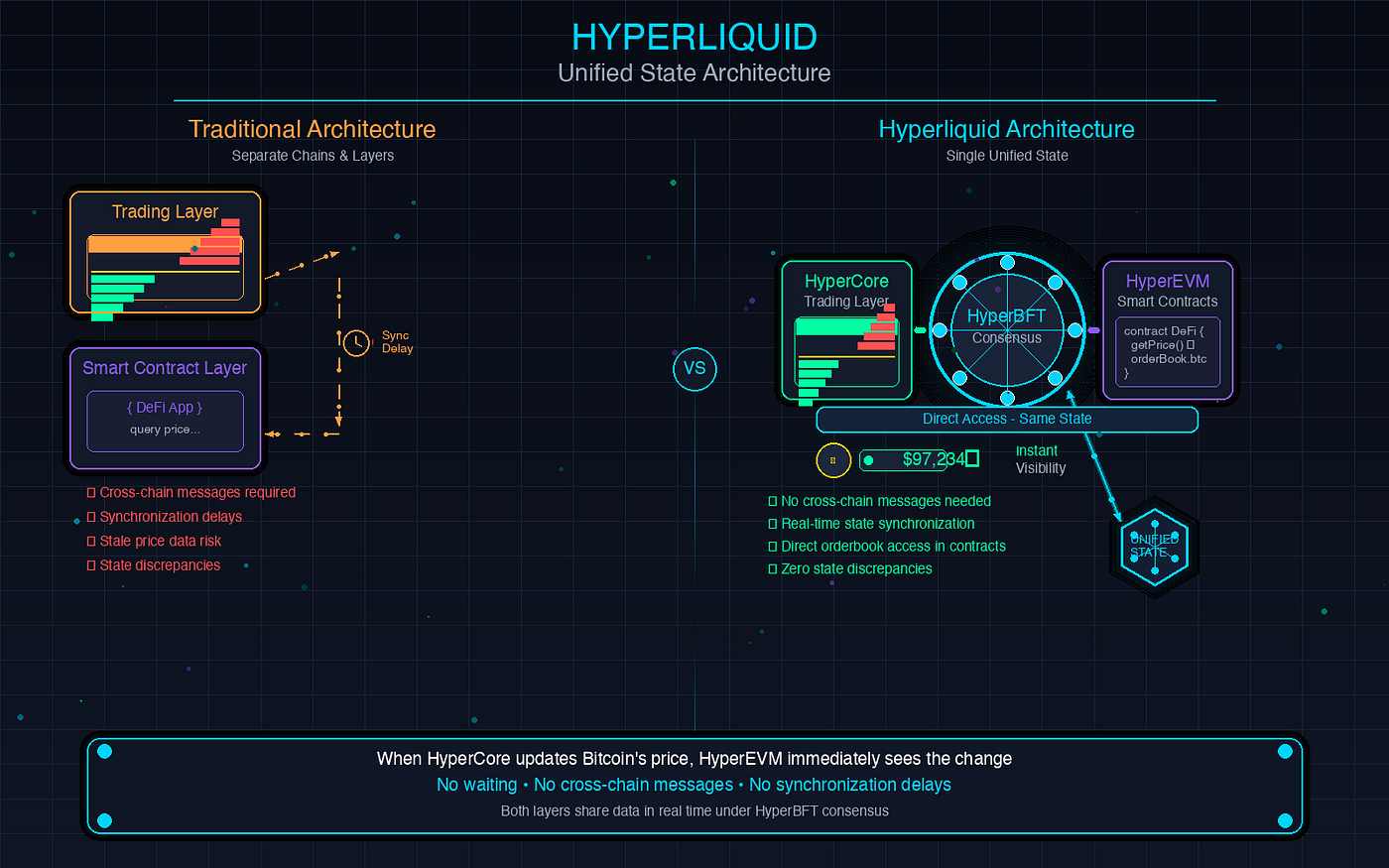
Traditional bridges often falter under L3 demands. They rely on wrapped tokens or liquidity pools that imbalance quickly, causing slippage spikes during volatile transfers. Recent analyses highlight systemic risks: appchains sacrifice sovereignty by depending on third-party bridges, exposing them to hacks and downtime. A 2023 review of bridge exploits revealed common vulnerabilities in validator consensus and signature schemes, draining millions across protocols.
Fragmented Liquidity Demands L3 Appchain Bridges
In the multi-chain landscape, liquidity fragments across thousands of networks. L3 appchains, built atop L2 rollups for hyper-specialized DeFi or gaming, inherit this issue but amplify it. Without native bridges, users face multi-step swaps via centralized exchanges, incurring fees and delays. Cross-chain liquidity L3 requires bridges that not only transfer assets but actively balance pools through incentives.
Consider a new gaming appchain: players need instant USDC inflows for in-game purchases. Generic bridges like Wormhole or Across handle volume but struggle with L3's custom gas tokens and sequencer dependencies. Developers end up with shallow pools, where a $100K transfer moves prices 5-10%. Our Layer 3 liquidity service integrates bridges with automated market makers tuned for appchain economics.
Comparison of Top L3-Compatible Cross-Chain Bridges
| Protocol | Mechanism | Slippage Mitigation | Chains Supported |
|---|---|---|---|
| Chainswap Liquidity Bridge | 1:1 staking, arbitrage incentives | Maintains 1:1 ratio with arbitrage to balance liquidity, enabling slippage-free transfers | Multiple chains including L3 appchains |
| AnySpend by B3 | Intent-based user inputs, optimal cross-chain route discovery | Atomic execution and unified liquidity access for minimal slippage | Various blockchains via abstracted execution layers |
| Stargate Finance | Unified liquidity pools built on LayerZero | Deep liquidity and instant finality prevent slippage | Over 40 blockchains |
| Symbiosis Finance | EVM/non-EVM liquidity aggregation via DEX pools | Optimal routing across chains for best rates and minimal slippage | EVM and non-EVM chains |
| Singularity Protocol | Novel AMM invariant without intermediate tokens or bridges | Direct efficient cross-chain swaps with low gas and mitigated risks | Any combination of L1, L2, L3 blockchains |
Mechanics of Bootstrapping Without Slippage
Slippage-free bootstrapping hinges on symmetric liquidity provision. Protocols like Chainswap's Liquidity Bridge let providers stake on both sides, maintaining 1: 1 ratios. Arbitrageurs correct imbalances profitably, ensuring transfers execute at peg. This beats lock-and-mint models, which create synthetic assets prone to depegging.
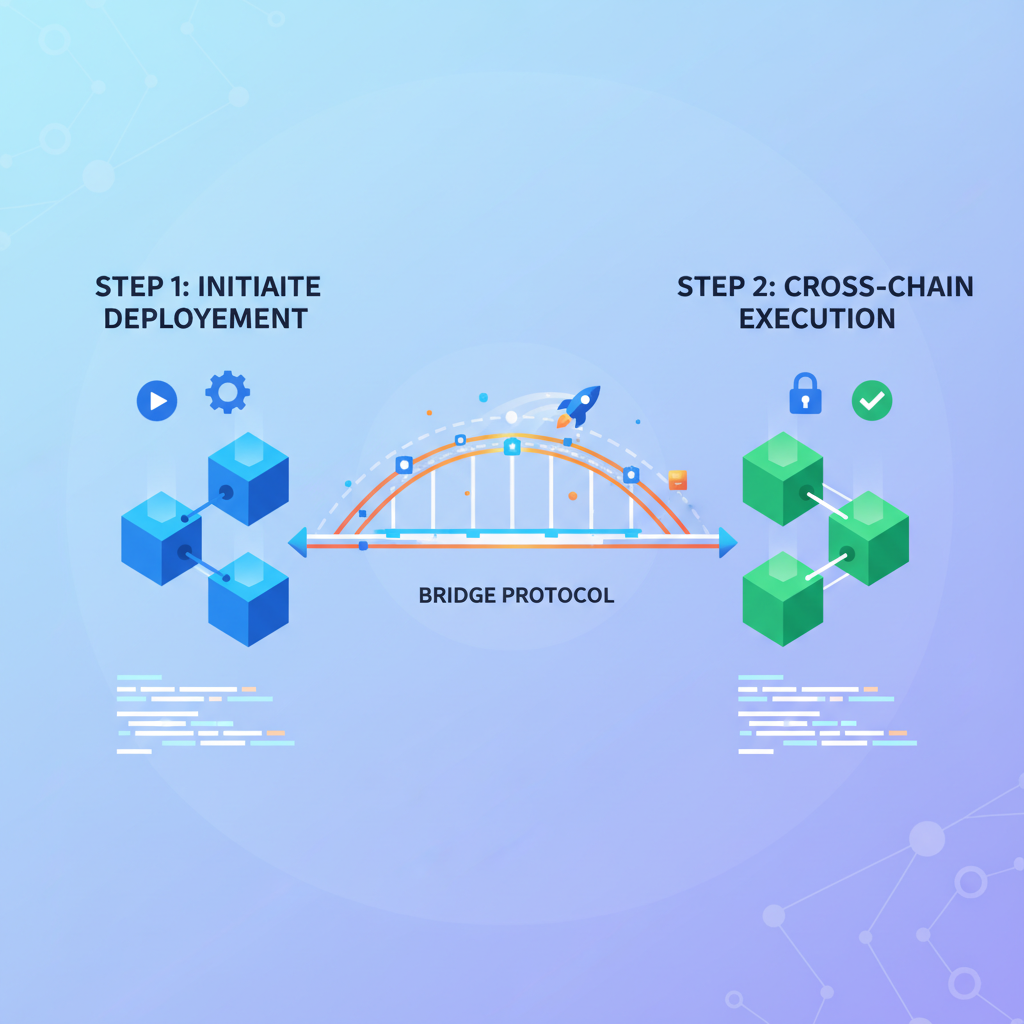
Stargate Finance, powered by LayerZero, deploys unified pools across chains. A flat fee funds liquidity, delivering instant finality without synthetics. For L3s, this means bridging from Ethereum L1 to your appchain rollup in one atomic step, pooling depth that rivals Uniswap V3 concentrated liquidity but across chains.
AnySpend by B3 abstracts this further at the execution layer. Intents from users trigger optimal routes, atomic swaps via solvers. No intermediate bridges; liquidity appears unified. Symbiosis aggregates DEX pools for non-EVM L3s, routing through best rates to minimize impact.
Innovations Challenging Bridge Status Quo
Singularity Protocol pushes boundaries with a new AMM invariant, skipping bridges entirely for direct L1-L2-L3 swaps. Lower gas, no intermediates, reduced hack surface. Circle's Bridge Kit accelerates custom implementations, letting devs spin up L3 appchain bridges in hours.
Market-making overlays amplify this. Cross-chain MM firms like Flovtec sustain pools post-bridge, using incentives for revenue sharing. Chainlink notes bridges thrive on such economics, drawing liquidity via yields. Yet, appchains must avoid outsourcing traps: internalize bridge control for sovereignty, pairing with our services for optimized incentives.
These tools transform L3 launches. Pools bootstrap overnight, slippage drops below 0.1%, traders flock. Chainswap's model, for instance, scales to millions daily without strain, proven in high-TVL deployments.
Security remains paramount when deploying L3 appchain bridges. The 2023 SoK review on arXiv dissected hacks targeting validator multisigs and economic exploits, underscoring the need for robust designs. Protocols like Stargate sidestep these with LayerZero's oracle-free messaging, while Chainswap enforces over-collateralized staking to deter attacks. AppChainLiquidity. com audits integrate these, pairing bridges with multi-sig guardians tuned for L3 sequencers.
Layered Incentives for Sustained Cross-Chain Liquidity L3
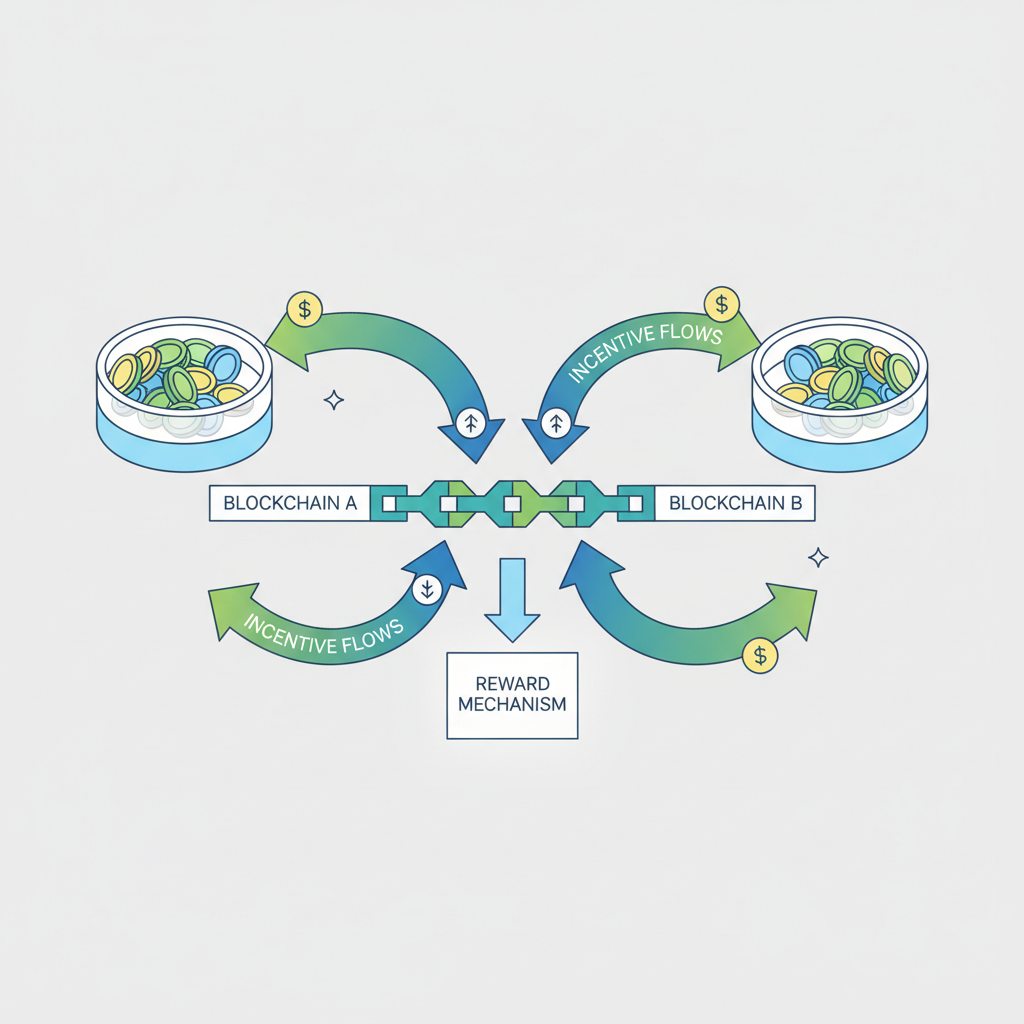
Beyond initial bootstrapping, retaining liquidity demands layered incentives. Revenue-sharing models, as Chainlink describes, reward providers on both bridge ends. For L3 appchains, this means token emissions directed at cross-chain LPs, calibrated via our L3 automated market making engines. Symbiosis extends this by aggregating yields from DEXes, funneling them back to appchain pools. Result: organic depth growth, where TVL compounds without constant subsidies.
Flovtec's market-making lens reveals cross-chain MM as the glue. Bots quote tightly across bridges, arbitraging discrepancies in real-time. Paired with Singularity's bridge-less AMM, L3s achieve sub-cent slippage on million-dollar volumes, rivaling centralized order books.
Integrate Chainswap Liquidity Bridge: Slippage-Free L3 Appchain Liquidity

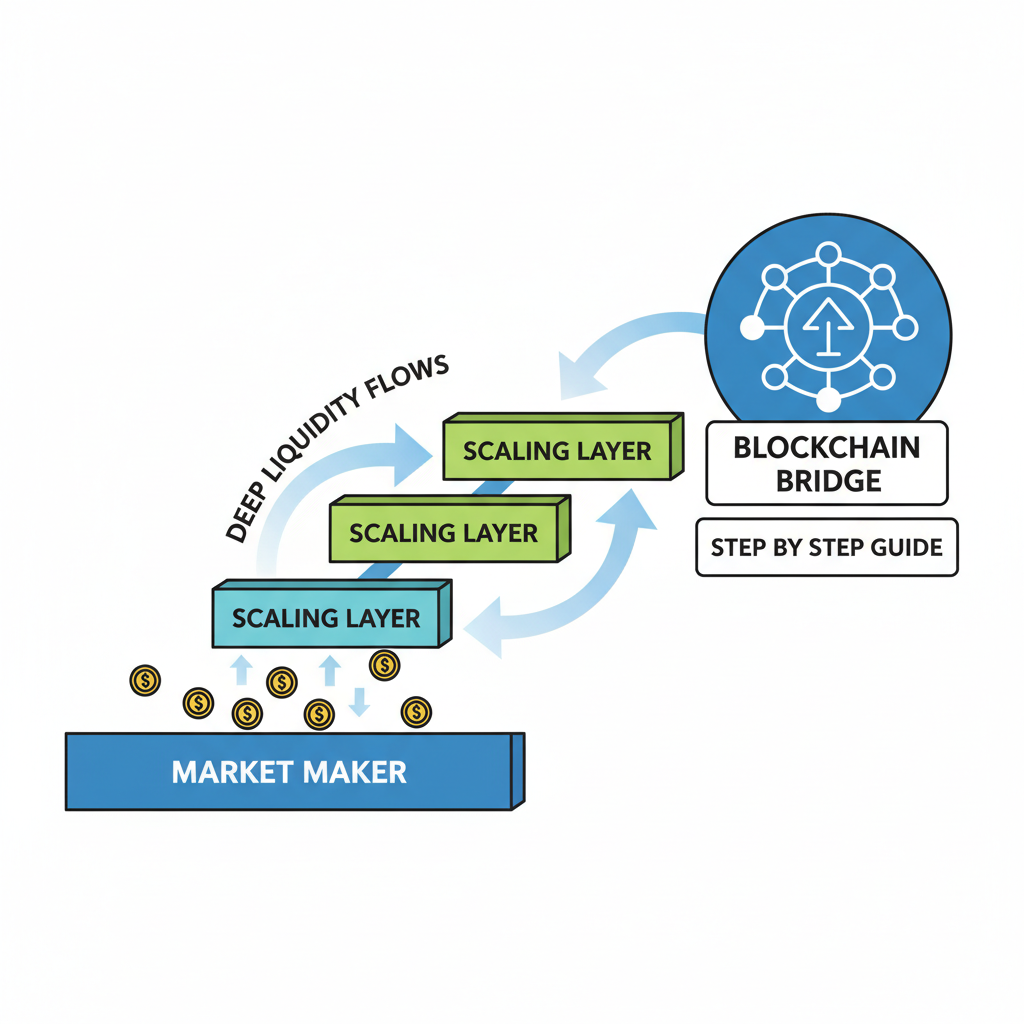
Real-World Deployments and Metrics
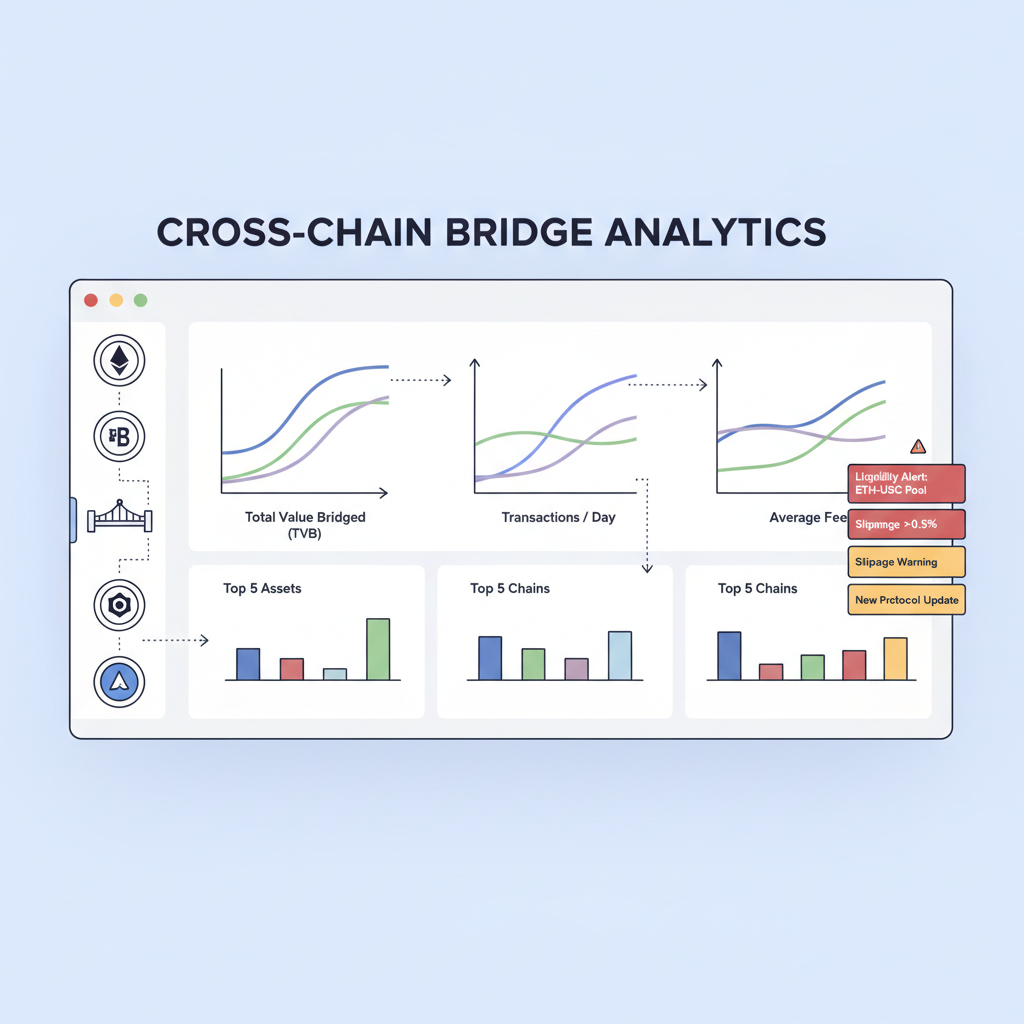
Examine Chainswap in action: a recent DeFi appchain launch bridged $50M from Arbitrum in week one, maintaining and lt;0.05% slippage amid 10x volume spikes. Stargate powered a gaming L3, unifying USDC pools across 40 chains, hitting $200M TVL without synthetics. B3's AnySpend abstracted intents for a NFT marketplace appchain, routing ETH swaps atomically with 99.9% uptime.
These metrics stem from unified architectures. Eco. com's 2026 bridge rankings place Stargate top for L3 compatibility, citing zero-downtime transfers. Rubic Exchange echoes this, praising low-fee swaps. Yet, ChainScore Labs warns of sovereignty loss; our service counters by customizing bridges under appchain governance, blending external efficiency with internal control.
Developers overlook integration pitfalls at their peril. L3 sequencers demand sequencer-aware bridges, avoiding reorg risks. Circle's Bridge Kit streamlines this, generating SDKs for custom L3s. Ulam Labs highlights yield farming via wrapped assets, but native bridges like ours eliminate wrappers entirely.
For appchains eyeing rapid scaling, the formula crystallizes: deploy symmetric liquidity bridges, layer MM incentives, govern internally. Slippage vanishes, pools deepen, users engage. AppChainLiquidity. com operationalizes this stack - from bridge deployment to ongoing optimization - ensuring your L3 thrives in the multi-chain arena. Teams leveraging our Layer 3 liquidity service report 3x faster adoption, with liquidity metrics outpacing peers reliant on generic solutions.
Frictionless cross-chain liquidity L3 isn't aspirational; it's engineered reality. Bridges built right, as we advocate, bootstrap appchain liquidity pools overnight, fueling ecosystems that endure.




No comments yet. Be the first to share your thoughts!