

As Layer-3 appchains proliferate in 2026, developers face a stark reality: even the most innovative dApps falter without deep liquidity pools Layer 3 from day one. Fragmented capital across L1s, L2s, and custom chains demands sophisticated L3 appchain liquidity service to enable seamless trading, minimal slippage, and rapid user adoption. Platforms like AppChainLiquidity. com step in with Liquidity-as-a-Service, bundling efficient bridges, automated market makers, and targeted incentives to bootstrap thriving ecosystems.
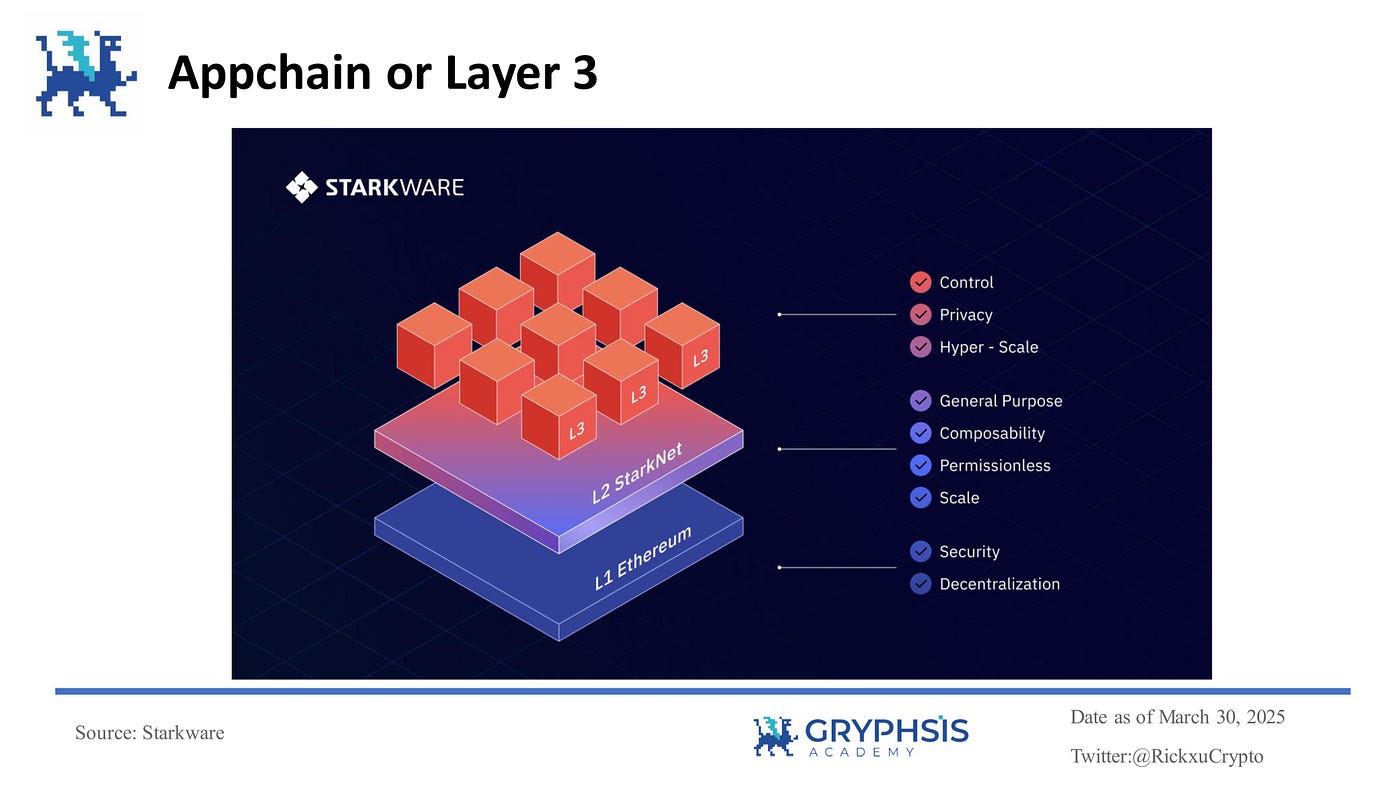
Liquidity fragmentation isn't just a technical hurdle; it's a growth killer. Recent analyses, such as those from ChainScore Labs, highlight how appchains sacrifice sovereignty by relying on external bridges, exposing them to systemic risks like delayed withdrawals or exploits. Victory Adugbo's insights on LinkedIn underscore bridges as the DeFi economy's core plumbing, yet they often bottleneck capital usability amid L1-L2-L3 sprawl. In this multi-chain landscape, chains excelling in predictable execution and uptime, like Solana and Ethereum L2s, capture disproportionate liquidity, per DL News' State of DeFi 2025 report.
The Fragmentation Trap and Hidden Costs of External Bridges
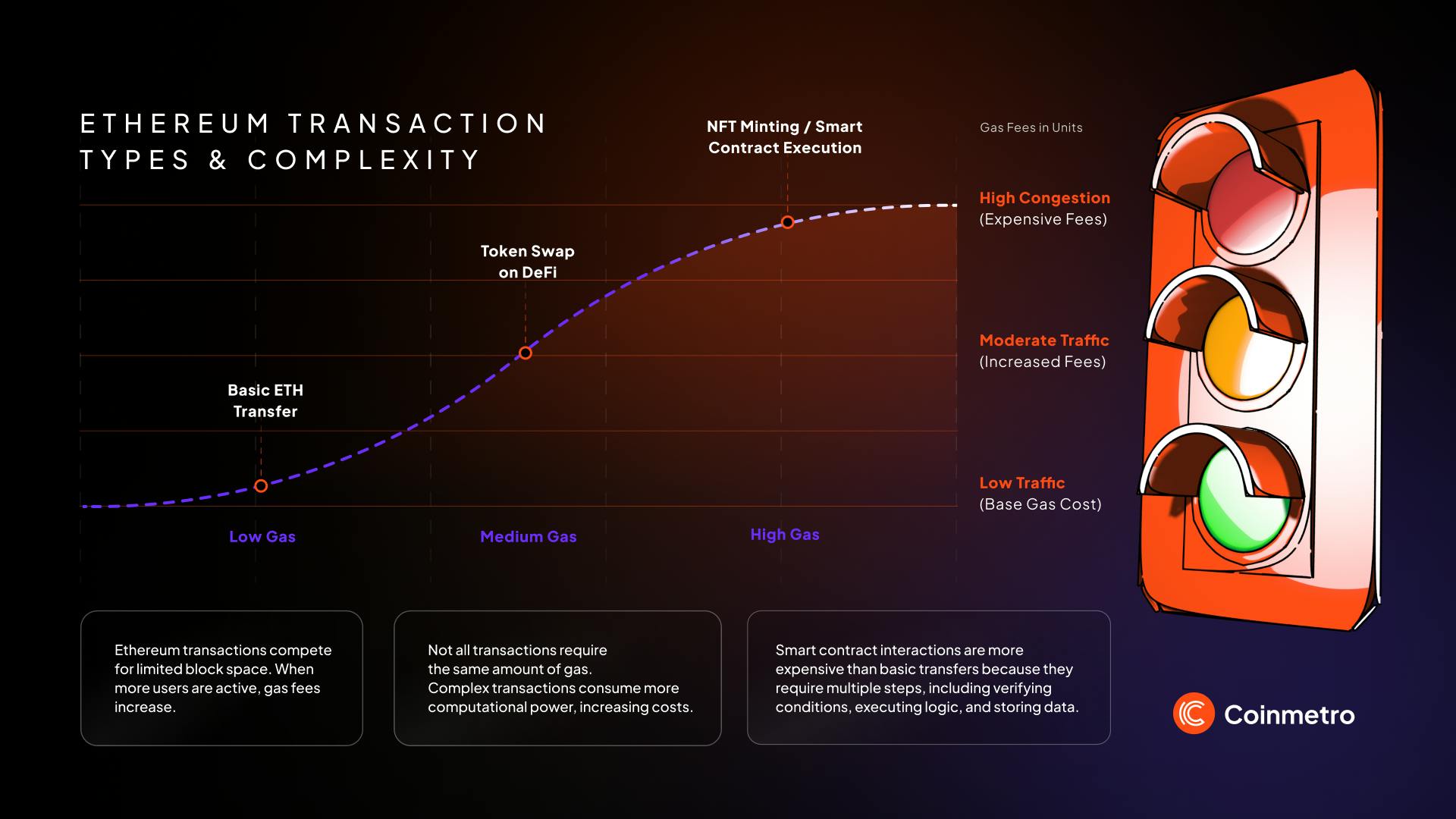
Outsourcing liquidity via third-party bridges trades convenience for vulnerability. Appchains end up with shallow pools, high slippage on large trades, and dependency on bridge operators' uptime. Orchestration layers, as Decentralised. co notes, manage demand routing while bridges hold supply, but mismatches lead to inefficient capital deployment. For 2026 launches, this trap delays TVL growth and deters traders seeking deep liquidity pools Layer 3.
Key Bridge Risks for L3 Appchains
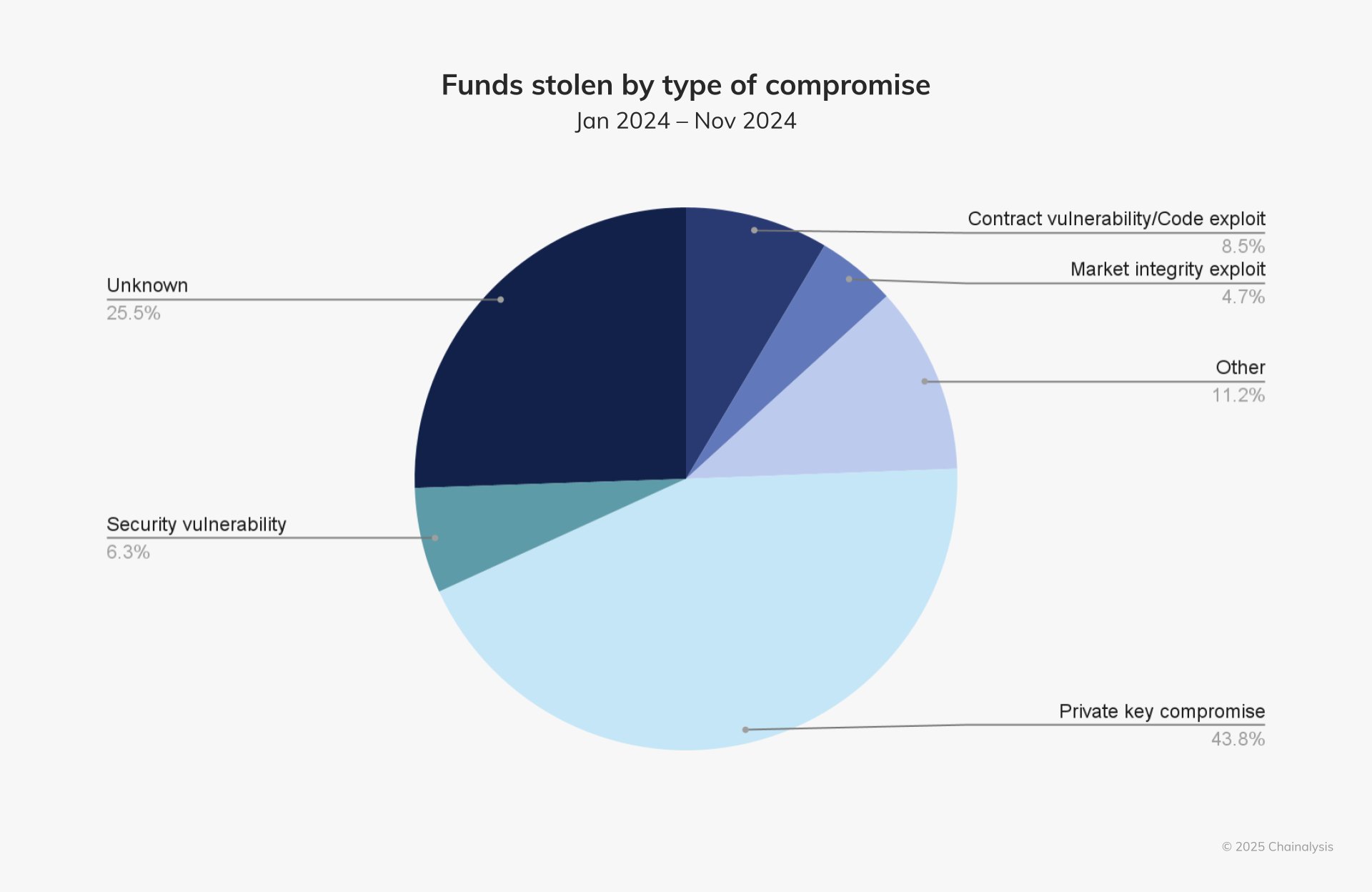
- Systemic Insolvency from Hacks: External bridges concentrate liquidity, making them prime targets for exploits that can drain pools and trigger chain-wide failures, as highlighted in ChainScore Labs analysis.
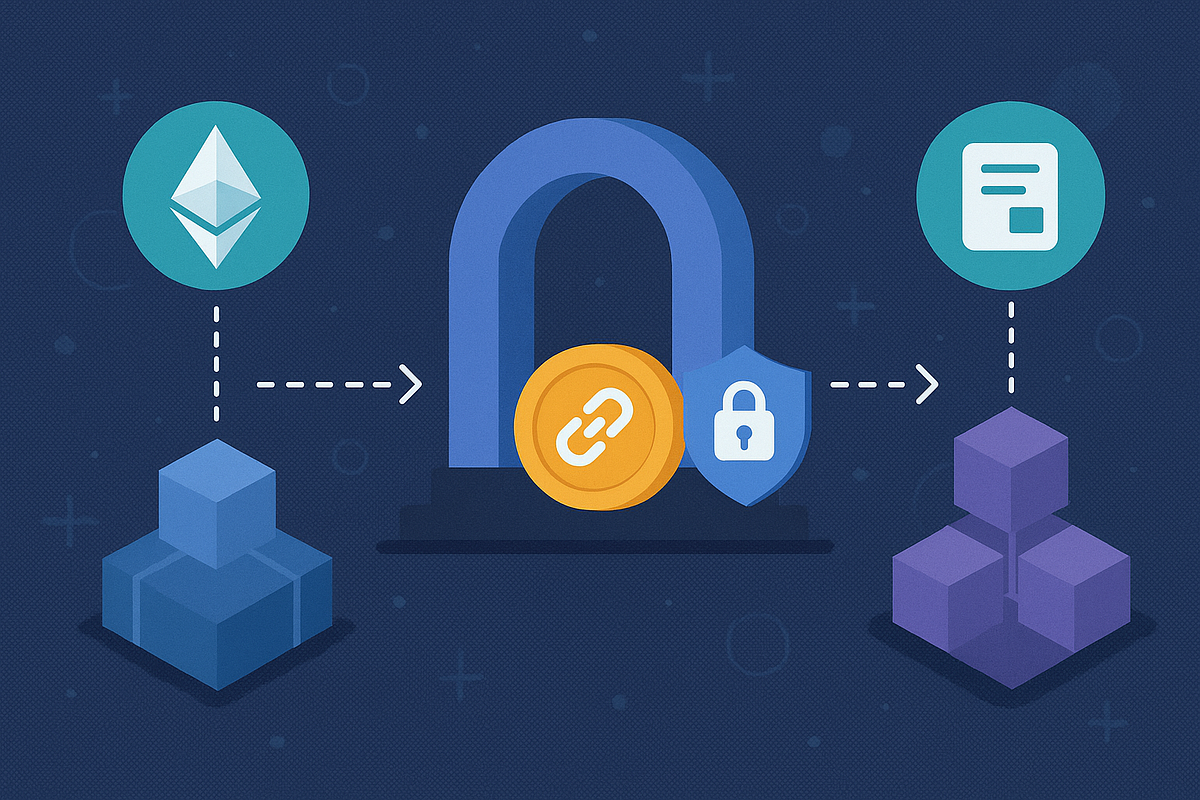
- Withdrawal Delays: Optimistic or locked bridges often impose multi-day waits for funds, disrupting appchain operations and user trust during high demand.
- Collateral Volatility: Bridges require over-collateralization with volatile assets, exposing L3s to liquidation risks from market swings, per cross-chain AMM studies.
- Sovereignty Loss: Reliance on third-party bridges cedes control over liquidity and validation, undermining appchain autonomy as noted in appchain liquidity reports.

- High Fees During Congestion: Peak network usage spikes bridge costs, straining L3 budgets and reducing competitiveness versus integrated liquidity solutions.
Balancing these risks requires native solutions. Consider the push toward horizontal scaling via purpose-built appchains, as B3 outlines, where unified liquidity spans specialized chains without block space wars. Supra Containers exemplify this by merging appchain perks with L2 composability, secured by a high-performance L1.
Trust-Minimized Innovations Reshaping L3 Cross-Chain Bridges
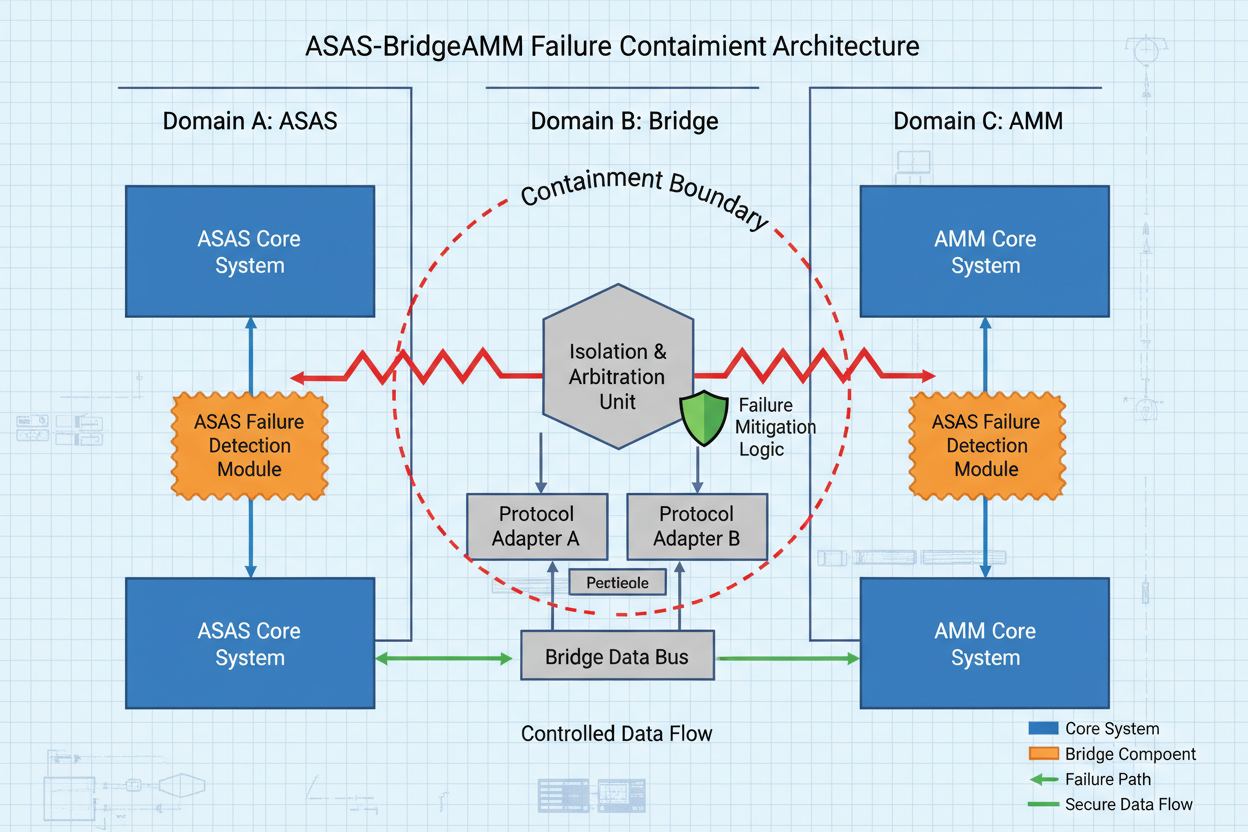
February 2026 marks a pivot with ASAS-BridgeAMM's debut, a trust-minimized cross-chain bridge AMM that slashes worst-case insolvency by 73% through dynamic collateral adjustments and failure containment (arXiv, Jan 2026). This directly tackles adversarial signals plaguing traditional setups. Complementing it, Singularity Protocol enables cross-chain AMMs sans intermediate tokens or bridges, curbing volatility and risks (arXiv, May 2025).
ZKsync's Atlas upgrade and zkStack deployments further liquidity for ZK chains, slashing fees by 90% via batched proofs while supporting custom tokenomics for lending and derivatives. Arbitrum Orbit's permissionless rollups allow tailored gas and interoperability, aligning DeFi projects with Ethereum security. Cartesi Rollups cut gas 100x for off-chain DeFi strategies, and Orbs' dLIMIT/dTWAP integrations rival CEX precision on DEXs.
LiquidChain fuses Bitcoin, Ethereum, and Solana liquidity into one L3 environment, dissolving fragmentation. These tools form the backbone of L3 cross-chain bridges, yet bootstrapping remains the crux for new appchains.
Automated Market Making and Incentives for 2026 Appchain Launches
Liquidity bootstrapping L3 appchains hinges on automated market making L3 paired with shrewd incentives. Yellow Network's mesh unifies L1-L2 liquidity, a model extensible to L3s, while Eco Portal, Across, and Wormhole top 2026 bridge rankings for fees and security (eco. com). Prediction markets and stablecoin B2B flows, per FinTech Weekly and Prolitus, signal demand for liquid L3 venues.
AppChainLiquidity. com's LaaS deploys pre-seeded pools via L3 appchain launch incentives 2026, blending yield farming, airdrops, and dynamic AMMs to magnetize TVL. Unlike rollup-as-a-service pitfalls in bootstrapping users and devs (Abstract Watch), targeted LaaS ensures capital efficiency from genesis, fostering organic trading volumes correlated with incentive design.
Dynamic AMMs form the engine, adjusting spreads based on volatility and order flow, while incentives like tiered yields and governance tokens lock in early liquidity providers. This isn't scattershot airdrop farming; it's precision-engineered to correlate trading volumes with sustainable growth, drawing from macro patterns where high-uptime chains hoard capital.
Platforms excelling here, such as ZKsync Atlas with its enterprise-grade liquidity boosts or Arbitrum Orbit's custom chains, demonstrate how tailored stacks amplify deep liquidity pools Layer 3. Yet, for bespoke appchains in gaming or prediction markets, generic bridges fall short. Prolitus highlights top prediction markets ripe for L3 ports, where low-slippage trading hinges on pre-bootstrapped pools. Stablecoins, evolving into B2B plumbing per FinTech Weekly, demand reliable L3 venues with fused liquidity like LiquidChain's Bitcoin-Ethereum-Solana blend.
Macro Lessons: Correlating Volumes with Incentive Precision
Over 11 years tracking macro shifts, one pattern stands clear: liquidity follows predictability. Chains blending Cartesi's off-chain efficiency, Orbs' advanced orders, and B3's horizontal scaling see TVL surges because they minimize friction. But new L3s must sidestep rollup-as-a-service liquidity droughts. AppChainLiquidity. com's model correlates L3 appchain launch incentives 2026 directly to volume ramps, using data-driven simulations to forecast slippage under stress. Opinionated take: over-reliance on hype-driven incentives fizzles fast; balanced LaaS prioritizes capital efficiency, blending automated market making with bridge failover for 99.9% uptime.
Core Pillars of L3 Liquidity Service
- Pre-seeded AMM pools: Bootstrap deep liquidity from launch using initial seeded automated market makers, as in LiquidChain's fusion of Bitcoin, Ethereum, and Solana assets into unified L3 pools for seamless dApp execution.

- Dynamic cross-chain bridges: Enable fluid asset transfers with adaptive protocols like ASAS-BridgeAMM, which dynamically adjusts collateral based on risks, or established bridges such as Wormhole and Across.
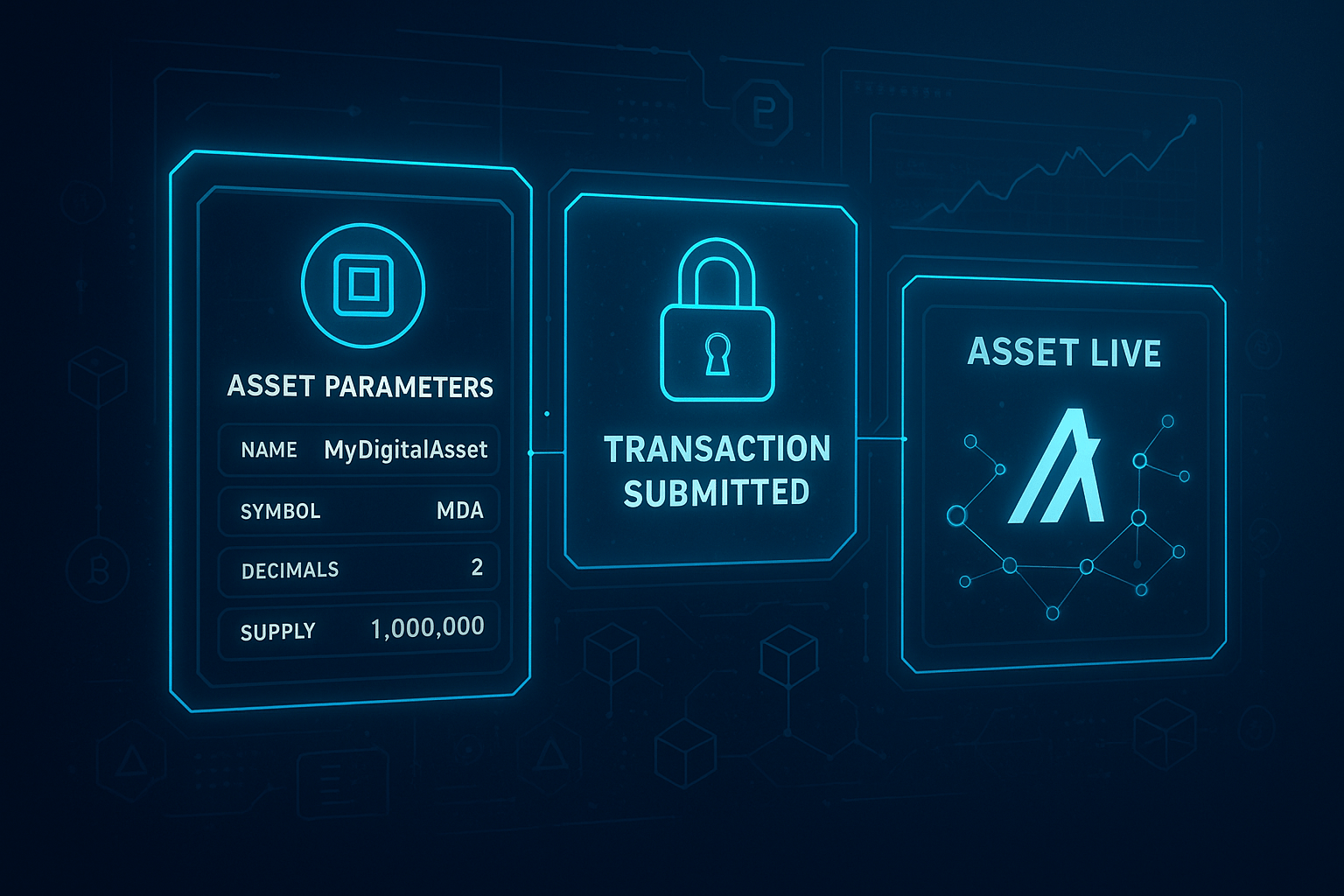
- Yield-optimized incentives: Attract and retain liquidity via tailored yields, enhanced by tools like Orbs dLIMIT and dTWAP orders on DEXs, competing with CeFi while leveraging L3 efficiency.

- Failure-contained mechanisms: Mitigate risks with isolated designs, e.g., ASAS-BridgeAMM's trust-minimized AMM reducing bridge insolvency by 73% through adversarial signal responses.
- Custom tokenomics integration: Embed bespoke economics natively, as in zkStack and Arbitrum Orbit rollups, supporting tailored incentives, gas, and governance for app-specific L3 chains.

Supra Containers offer a glimpse of the hybrid future, sharing liquidity across composable spaces without sovereignty erosion. zkStack's ZK rollups extend this to gaming and DeFi, batching proofs for sub-cent fees. Developers launching in 2026 should eye these as stack components, but pair them with LaaS for instant depth. Yellow Network's unification across layers hints at L3 extensions, where orchestration layers route demand to deepest pools.

Why LaaS Wins for Sovereign Appchain Launches
Sovereignty without isolation defines winning L3s. External bridges' hidden costs, from ChainScore Labs' sovereignty trade-offs to Decentralised. co's supply-demand mismatches, pale against integrated LaaS. AppChainLiquidity. com delivers turnkey liquidity bootstrapping L3 appchains, from ASAS-inspired trust-minimization to Singularity-style bridgeless AMMs. For teams eyeing 2026, this means launching with TVL benchmarks rivaling mature L2s: think 10x slippage reduction via concentrated liquidity and 50% faster capital onboarding.
Balanced view: no silver bullet exists amid multi-chain flux. Top L1/L2/L3 stacks per Crypto Adventure demand mechanism-first choices, but liquidity gaps persist. LaaS bridges that chasm, empowering dApps in derivatives, lending, or even prediction markets to thrive. Macro vision meets micro execution here, turning fragmented capital into unified flow. Teams building custom appchains hit the ground trading, not begging for liquidity.




No comments yet. Be the first to share your thoughts!