
Define appchain liquidity needs
Appchain liquidity refers to the capital available for trading and settlement within a specific application blockchain. Without unification, this capital is fragmented, leading to high slippage and poor execution for users.
Isolated appchains suffer from thin liquidity because they operate as silos. Unlike a shared L1 where all applications compete for the same pool of capital, an appchain starts with zero depth. Every trade must be filled by the limited capital deposited directly into that chain’s liquidity pools. This creates a "cold start" problem where large orders suffer significant price impact, deterring institutional and even retail participation.
Dispersed liquidity acts as a double-edged sword. While specialization allows each appchain to optimize for its specific use case, it fragments the total addressable market. If a user wants to swap assets across multiple specialized chains, they face bridging risks and split liquidity. The structural solution is unified pools, which aggregate capital from multiple appchains into a single, deep liquidity layer, reducing slippage and improving capital efficiency.
Choose a unified liquidity architecture
Fragmented liquidity forces traders to bridge assets manually or accept poor prices across isolated appchains. To solve this, you must select an architecture that aggregates liquidity while maintaining security. The choice depends on whether you prioritize speed, cost, or trust minimization.
There are three primary approaches to aggregating liquidity in 2026:
- Native Bridges: Direct lock-and-mint mechanisms. These are secure but slow and capital-inefficient.
- DEX Routers: Automated market makers that swap across chains. Fast but expensive due to slippage and gas.
- Liquidity-as-a-Service (LaaS): Third-party aggregators that route orders through multiple pools. Balanced performance with moderate trust assumptions.
Comparison of Aggregation Methods
| Method | Latency | Cost | Security Model |
|---|---|---|---|
| Native Bridges | High (minutes) | Low | High (Trust-minimized) |
| DEX Routers | Low (seconds) | High (Slippage + Gas) | Medium (Smart contract risk) |
| LaaS Providers | Low (seconds) | Medium (Routing fees) | Low (Custodial/Relayer risk) |
Native bridges lock assets on the source chain and mint wrapped equivalents on the destination. This model, often used by foundational infrastructure providers, ensures that the underlying asset is fully backed. However, the settlement time is dictated by the bridge's finality period, which can range from minutes to hours. This latency makes native bridges unsuitable for high-frequency trading or arbitrage.
DEX routers execute swaps directly against liquidity pools. They offer immediate settlement but suffer from high costs. When liquidity is thin on a specific appchain, the router must split orders across multiple hops, increasing slippage and gas fees. This approach works best for small, urgent transfers where speed outweighs cost.
LaaS providers act as intermediaries, routing orders through the most efficient path across multiple chains. They balance speed and cost by leveraging deep liquidity pools. However, they introduce a trust layer: you rely on the provider to settle the trade correctly. For most appchains, LaaS offers the best user experience for general trading, while native bridges remain the standard for large, non-urgent value transfers.
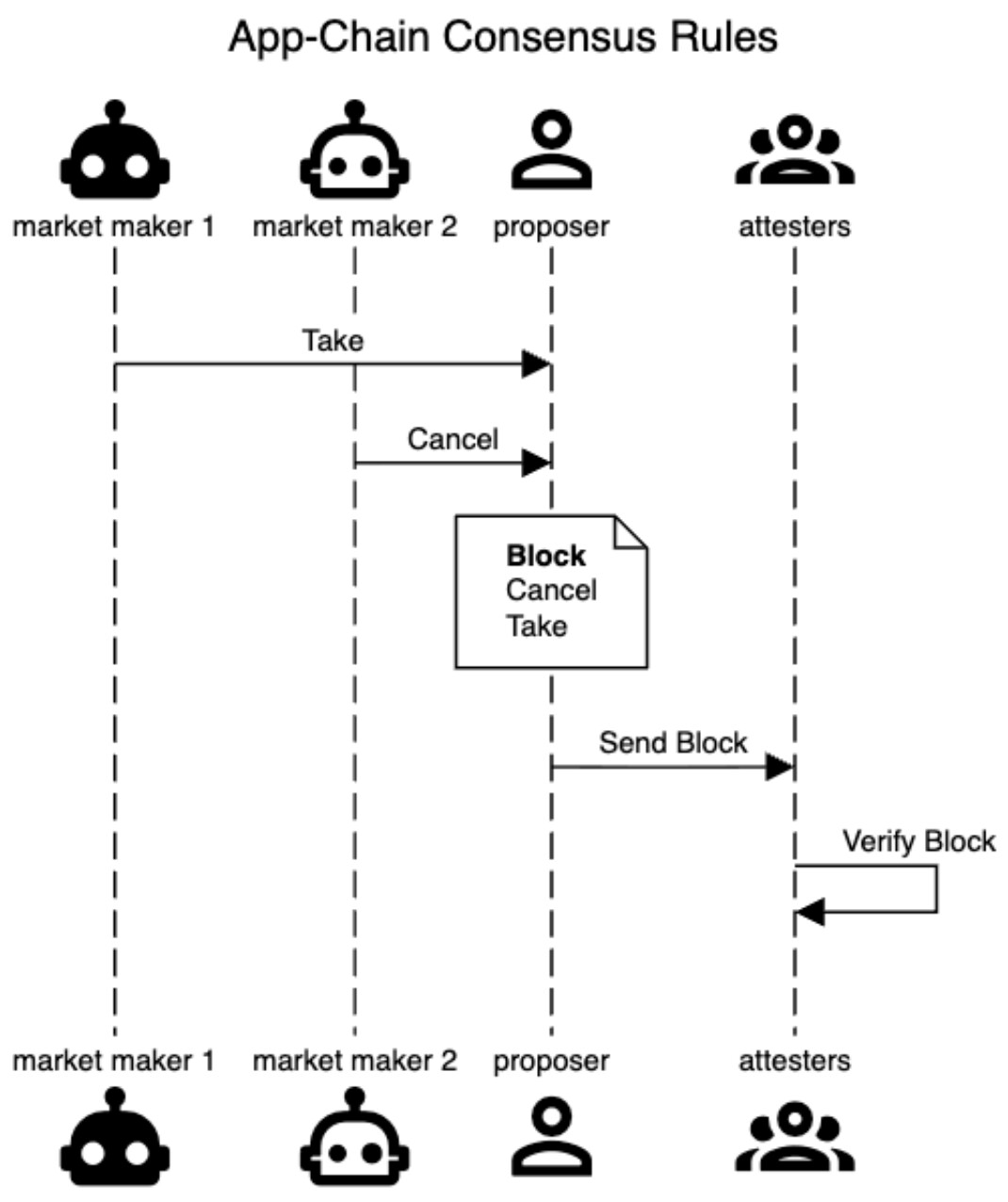
Deploy liquidity providers
The first step in solving appchain liquidity fragmentation is to initialize unified pools that consolidate depth across your target chains. Without immediate depth, traders face high slippage, which drives volume away from your dApp before it even gains traction. You need to select the right asset pairs and configure the pool parameters to ensure that capital is allocated efficiently from day one.
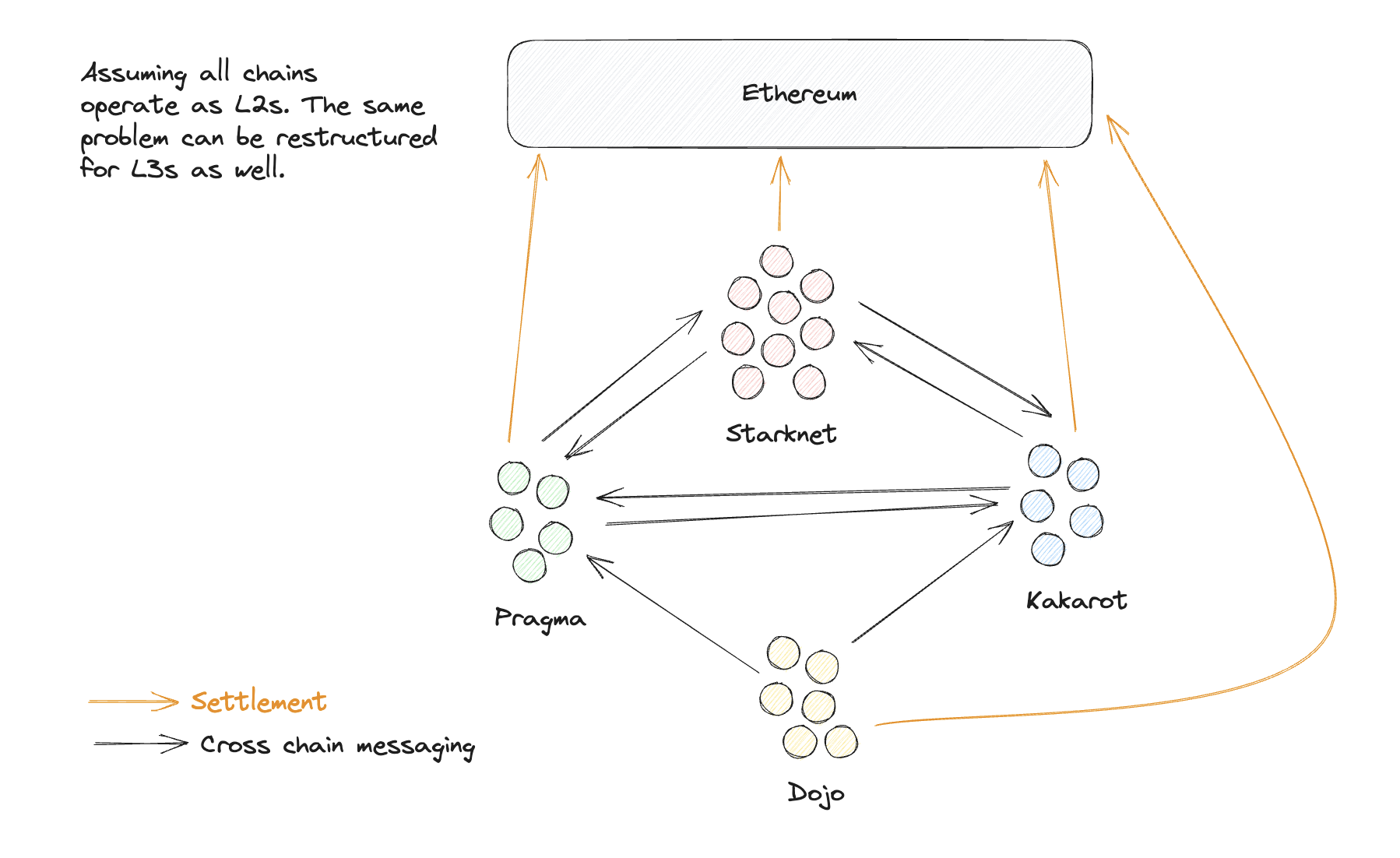
Identify the core trading pairs that align with your dApp’s utility. If your appchain focuses on a specific sector, such as gaming or real-world assets, prioritize stablecoins paired with those native tokens. Avoid over-diversifying your initial pool; a concentrated pair like USDC/ETH or USDC/your_token provides tighter spreads and better price discovery than a fragmented set of low-volume pairs.
Set the initial liquidity depth and fee tiers based on your appchain’s transaction volume expectations. Use Thirdweb’s appchain infrastructure to configure secure asset transfers and cross-chain swaps that allow your pool to settle efficiently [src-serp-1]. For high-frequency trading pairs, consider a lower fee tier to attract market makers, while reserve assets may warrant a higher tier to compensate for impermanent loss.
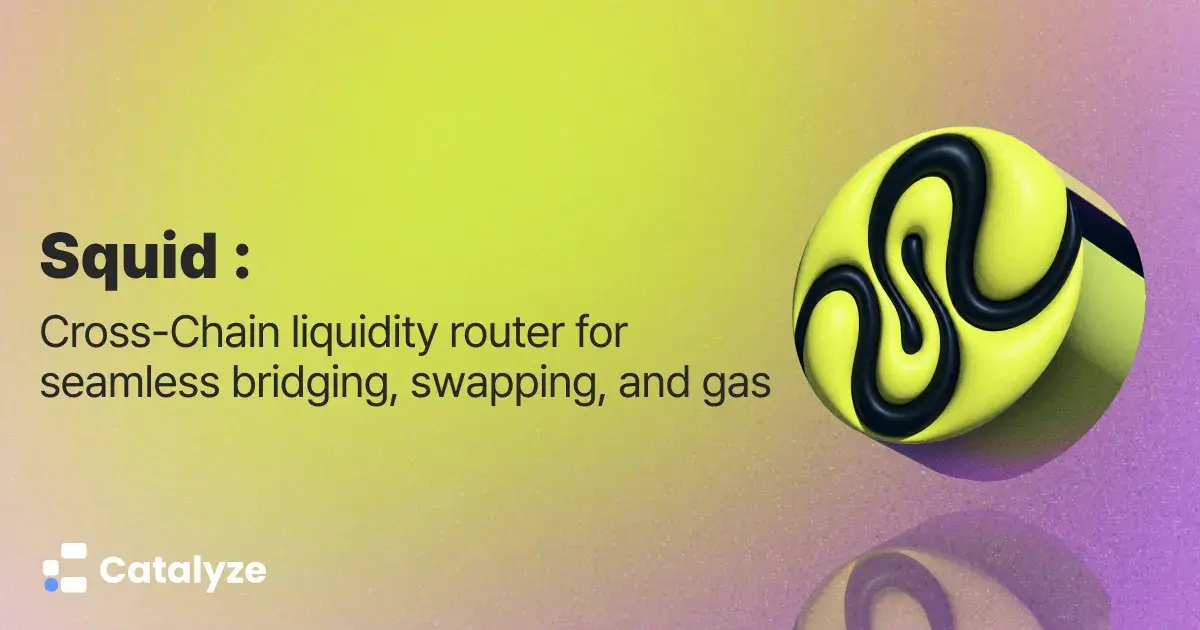
Deposit the initial liquidity into the unified pool contract. This capital acts as the foundation for all subsequent trades. Ensure that the funding source is verified and that the tokens are correctly allocated to both sides of the pair to maintain a balanced price ratio. If you are using a Cosmos-based appchain, consider integrating with Osmosis to leverage its custom liquidity pool zones for broader cross-chain exposure [src-serp-8].
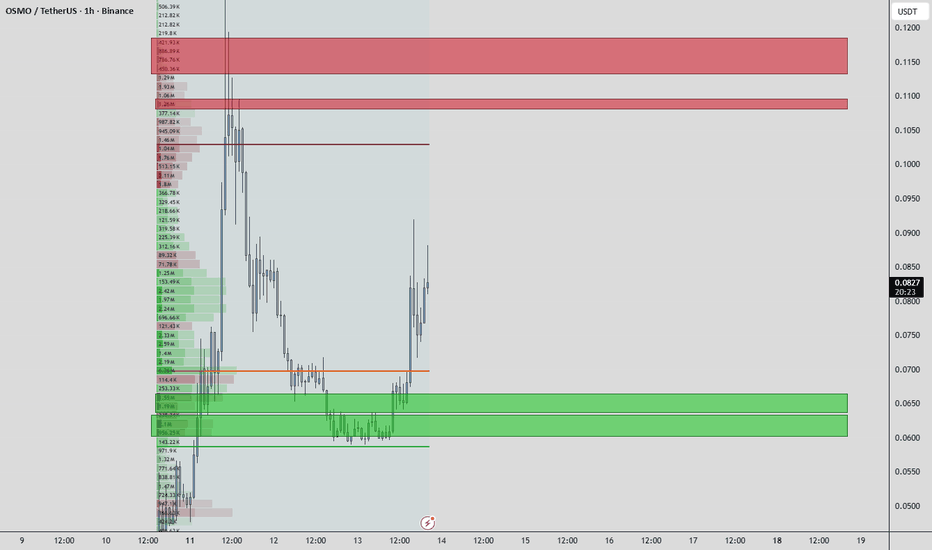
After funding, test the pool by executing a small trade from a connected chain. Verify that the swap settles correctly and that the liquidity depth is visible to aggregators. This step ensures that generalized message passing is functioning as intended, allowing dApps to access multi-chain liquidity without friction [src-serp-1].
By following this sequence, you establish a robust liquidity foundation that minimizes fragmentation and maximizes user confidence in your appchain’s trading capabilities.
Monitor cross-appchain trading
Maintaining efficient liquidity across appchains requires active tracking of volume trends and pool depths. Unlike isolated chains, appchains rely on continuous cross-chain movement to prevent fragmentation. Without real-time visibility, capital becomes stranded in low-activity pools, increasing slippage for traders and reducing yields for providers.
Start by establishing a dashboard that aggregates key metrics from your primary appchains. Focus on total value locked (TVL), daily swap volume, and average slippage rates. These indicators reveal where liquidity is flowing and where it is stagnating. If a specific pool shows declining volume despite stable TVL, it may indicate hidden inefficiencies or user preference shifts. Rebalancing should be driven by these metrics rather than static allocations. When volume spikes on one appchain, shift a portion of idle liquidity from underperforming chains to capture the higher yield. Conversely, if a chain experiences a sudden drop in activity, reduce exposure to avoid capital drag. This dynamic approach ensures that liquidity is always deployed where it generates the most value.
Regular audits of cross-chain bridge health are also essential. Monitor bridge fees and transaction success rates to ensure that moving capital between chains remains cost-effective. If bridge costs begin to erode profits, consider consolidating liquidity on fewer, more efficient routes. This proactive management minimizes fragmentation and keeps your appchain ecosystem competitive.
Finalize your liquidity strategy
Before mainnet launch, validate your appchain liquidity setup to ensure capital efficiency and security. This checklist confirms that cross-chain assets move reliably and that your pools have sufficient depth to absorb initial trading volume.
-
Verify bridge audits and smart contract security
-
Test cross-chain swaps with small amounts
-
Confirm slippage tolerance settings
-
Monitor initial pool depth and TVL
Appchains enable secure asset transfers and cross-chain swaps, allowing dApps to access multi-chain liquidity (Thirdweb). However, fragmented liquidity remains a risk if pools are undercapitalized. Ensure your testnet results mirror mainnet conditions before going live.
Appchain liquidity: what to check next
Unified pools solve fragmentation, but they introduce new variables. Before deploying, verify the security model of the bridge and the capital efficiency of the layer. Use this FAQ to clarify the technical and economic tradeoffs.
No comments yet. Be the first to share your thoughts!