
Why appchain liquidity is fragmented
Appchains isolate liquidity by design. Unlike a shared Layer 1 where all assets compete for the same block space and fee market, an appchain dedicates its entire chain to a single application. This specialization creates silos. Each chain operates as an independent economic zone with its own native token, governance rules, and user base. The result is a fragmented ecosystem where capital cannot flow freely between chains without external intervention.
This isolation breaks traditional cross-chain bridge models. Bridges were built to connect shared networks, relying on liquidity pools spread across multiple chains. In an appchain environment, liquidity is concentrated within the specific chain. A bridge attempting to move assets from one appchain to another often faces thin order books or insufficient depth, leading to high slippage and failed transactions. The "dispersed liquidity" problem means that while the overall ecosystem may have significant total value locked, that value is locked in disconnected pools.
The challenge is not just moving assets, but moving them efficiently. When liquidity is fragmented, users face higher costs and slower settlement times. This fragmentation necessitates new aggregation strategies that can source liquidity from multiple isolated chains simultaneously, rather than relying on a single bridge path.
Choose the right interoperability layer
Appchain liquidity fragments when assets are locked in siloed chains without efficient routing. You must select an interoperability layer that matches your specific use case, balancing security, speed, and depth. The three main approaches are native bridges, decentralized aggregators, and institutional collateral chains.
| Approach | Security Model | Speed | Liquidity Depth |
|---|---|---|---|
| Native Bridges | Dependent on validator set or multisig; higher bridge risk | Minutes to hours for finality | Limited to paired pools on destination chain |
| Decentralized Aggregators | Smart contract risk; relies on oracle integrity | Seconds to minutes | Aggregates deep pools across multiple DEXs |
| Institutional Collateral Chains | Permissioned; enterprise-grade compliance (e.g., DTCC/Chainlink) | Near real-time settlement | High volume for tokenized traditional assets |
Native Bridges
Native bridges lock assets on the source chain and mint wrapped equivalents on the destination. This approach is straightforward but introduces custodial or validator trust assumptions. Use native bridges when moving large, infrequent transfers where finality time is less critical than direct asset custody. Thirdweb and similar infrastructure providers enable these secure asset transfers for dApps accessing multi-chain liquidity thirdweb.com/appchain.
Decentralized Aggregators
Aggregators like Osmosis route trades across multiple liquidity pools to find the best execution price. This method minimizes slippage and maximizes depth by splitting orders across zones. Choose this approach for high-frequency trading or when maximizing appchain liquidity depth is the priority. Osmosis allows users to create custom liquidity pools across different Cosmos zones, ensuring efficient price discovery iq.wiki/wiki/appchain.
Institutional Collateral Chains
Institutional chains, such as DTCC’s Collateral AppChain, use permissioned infrastructure for regulated asset management. These chains leverage enterprise-grade technology like Hyperledger Besu and Chainlink Runtime Environment for near real-time collateral management dtcc.com/digital-assets/collateral-appchain. Select this option if your appchain handles tokenized securities or requires strict compliance and auditability.
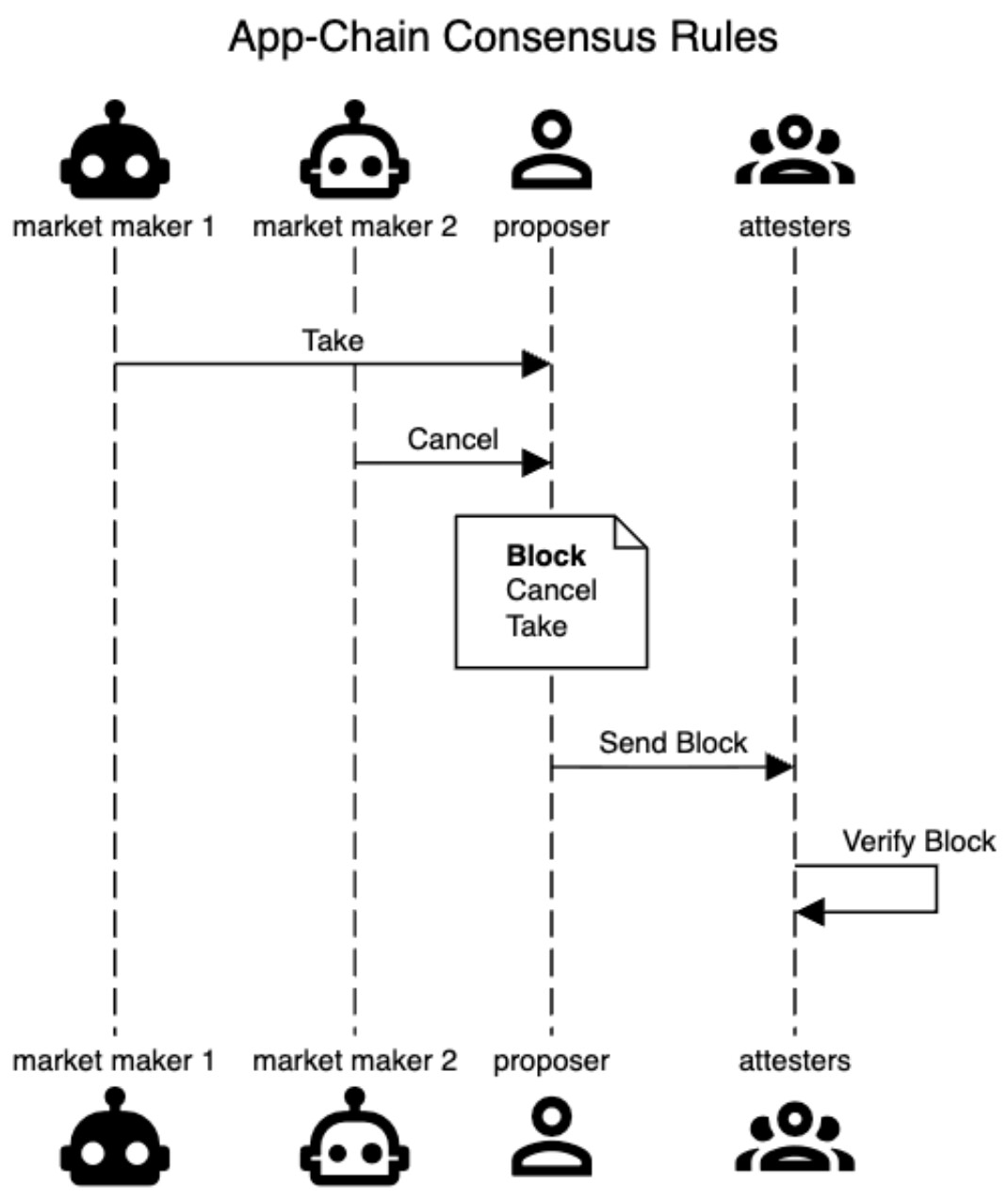
Execute cross-chain asset transfers
Moving capital from a mainnet to your appchain is the mechanism that solves liquidity fragmentation. Without this transfer, your application remains isolated, unable to access the deep pools of capital available on Ethereum, Solana, or other major chains. The goal is to move assets securely and efficiently so your dApps can immediately utilize that liquidity for trading, staking, or governance.
Step 1: Connect your wallet
Begin by connecting a compatible wallet (such as MetaMask, Rabby, or a hardware wallet) to the bridge interface or aggregator dashboard. Ensure your wallet is configured to the source network (e.g., Ethereum Mainnet) where your assets currently reside. This connection authorizes the bridge to read your balance and prepare for the outgoing transaction.
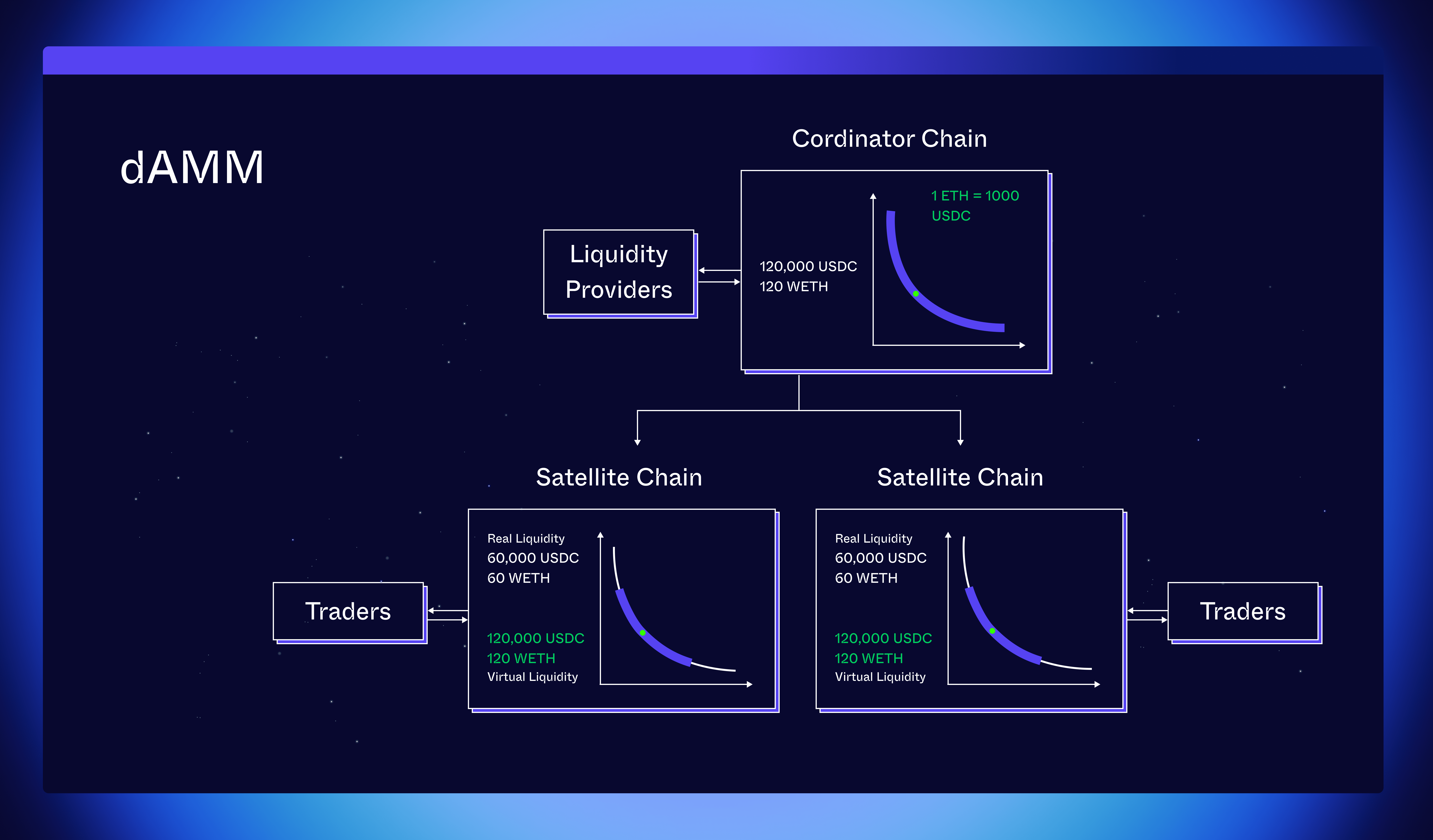
Open your bridge interface and click "Connect Wallet." Verify the network matches your source chain. This step establishes the secure session needed to initiate the transfer.
Choose your source chain (e.g., Ethereum) and your destination appchain. Select the specific asset you wish to move. Aggregators often automatically find the most efficient route, while dedicated bridges require you to pick a specific protocol.
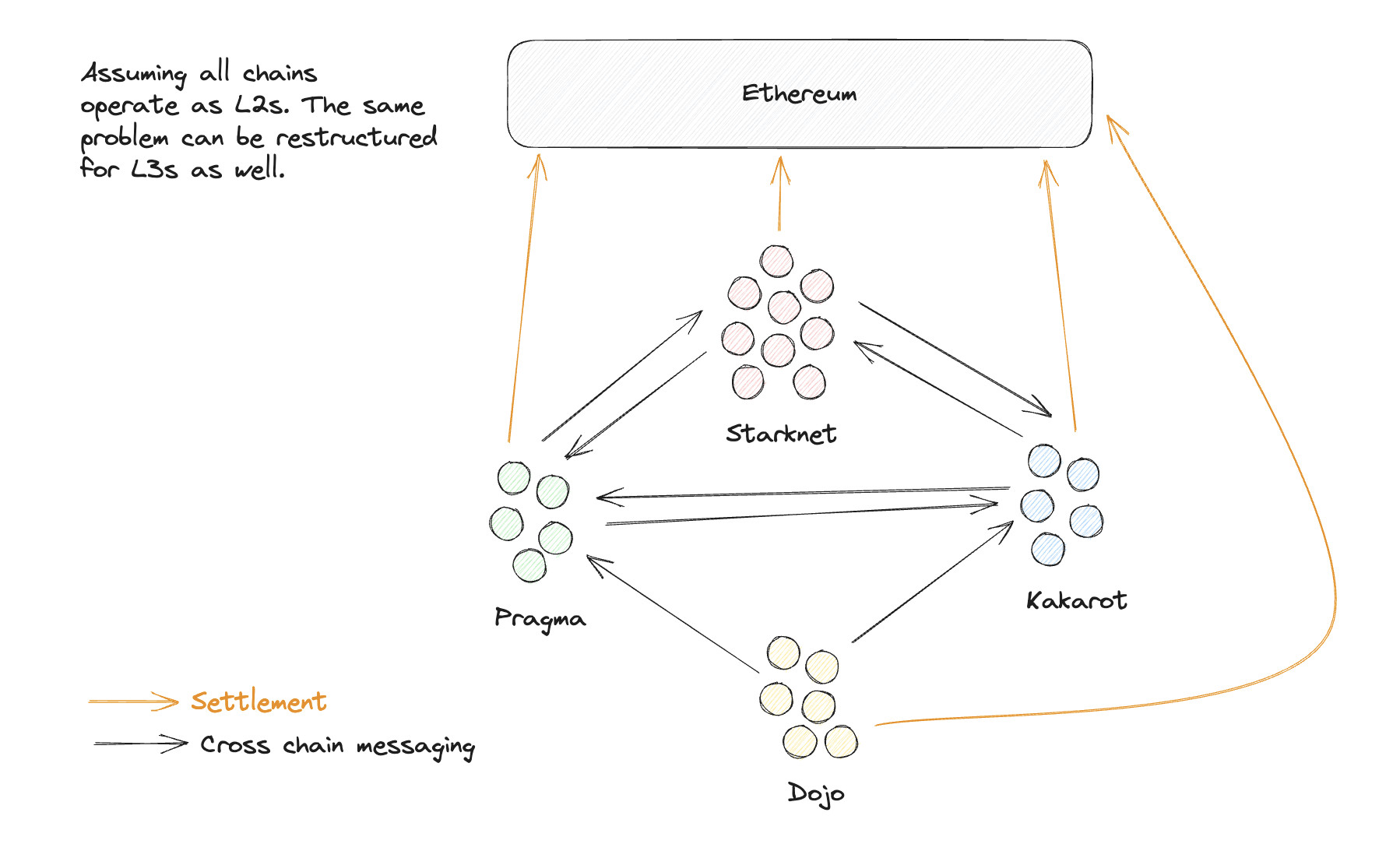
Before confirming, check the bridge's security model. Is it a trusted multisig, a ZK-proof bridge, or an optimistic bridge? For high-value appchain liquidity, prefer bridges with audited smart contracts and transparent security records to minimize risk.
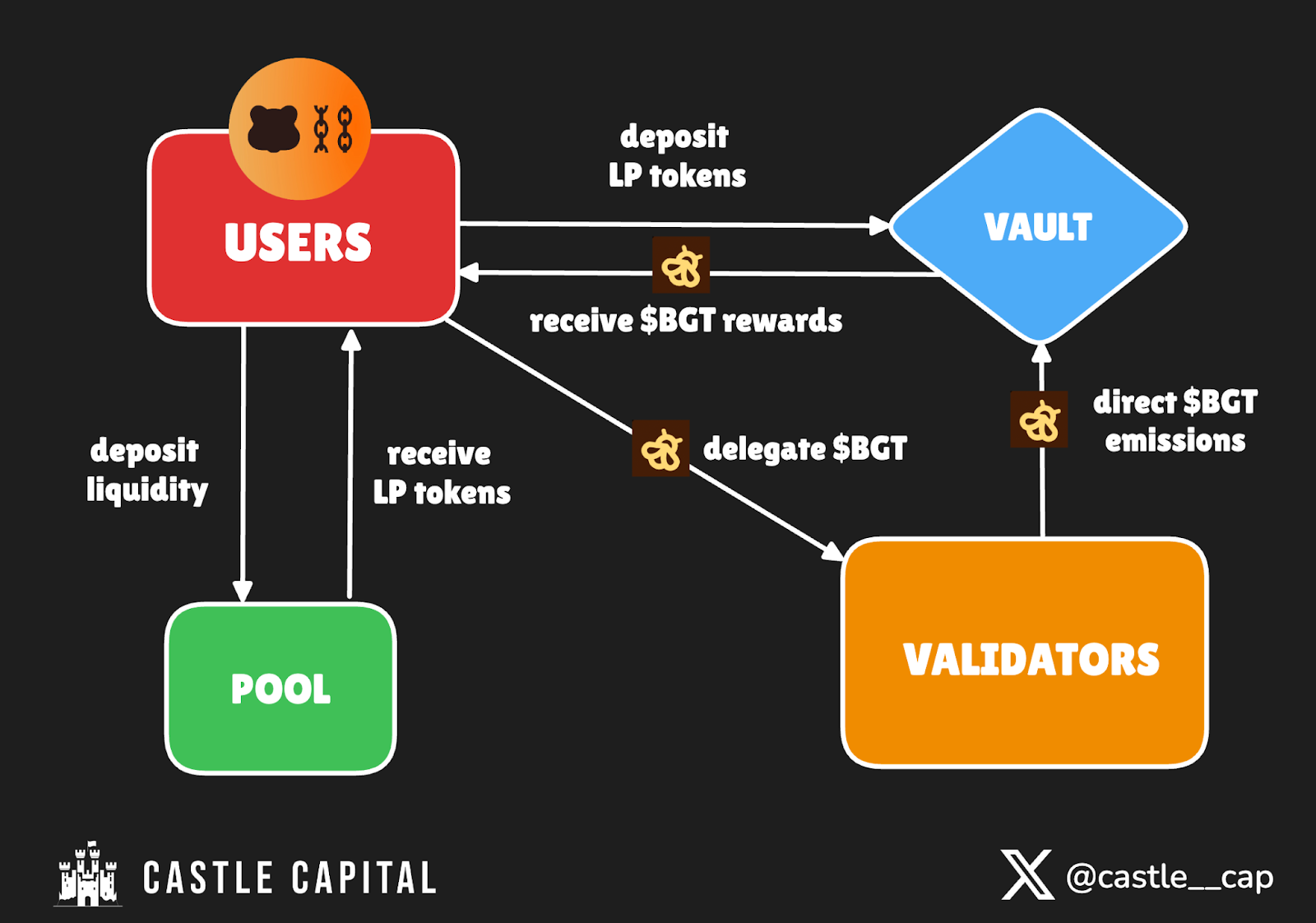
Approve the token spend in your wallet, then sign the transfer transaction. Monitor the status on the bridge's dashboard. Once the source chain confirms, the bridge will mint or release the equivalent assets on your appchain, completing the liquidity injection.
Finalize the transfer
After the transaction confirms, switch your wallet to your appchain network. Verify that the assets appear in your wallet balance. You can now provide this liquidity to your dApps' pools, enabling cross-chain functionality and deeper market access for your users.
Aggregate liquidity for better rates
When appchain liquidity is spread across dozens of isolated pools, swapping a single token often means hitting a dead end or accepting a terrible price. Aggregators solve this by scanning multiple routes simultaneously. Instead of routing your trade through one isolated pool, the aggregator splits your order across several sources to find the best composite rate. This reduces slippage and ensures you get closer to the true market value.
How aggregation finds the best price
Aggregation works like a multi-lane highway system. If one lane is congested or closed, traffic is rerouted through others to keep moving. In crypto, this means the aggregator checks pools on the main chain, sidechains, and even other networks. It calculates the optimal path, which might involve swapping Token A to Token B on one pool, then Token B to Token C on another, rather than trying to swap A directly to C where liquidity is thin.
Using aggregators in practice
To use an aggregator, you simply connect your wallet to a platform like 1inch, Jupiter, or CowSwap. These platforms act as the routing engine. When you input your trade, the interface displays the best available rate and the estimated slippage. For appchain-specific assets, specialized aggregators like Osmosis are particularly effective because they are designed to route trades across different zones in the Cosmos network, where liquidity is often fragmented.
Why this matters for appchains
Appchains are built for speed and customization, but this isolation creates liquidity silos. Without aggregation, users face high costs and poor execution. By aggregating, you effectively pool the fragmented liquidity of the entire ecosystem into a single, deep market for your trade. This is essential for maintaining healthy trading volumes on specialized chains.
Manage collateral and security risks
Appchain liquidity depends on the integrity of the underlying collateral. When bridges fail or assets de-peg, the specialized liquidity pools that support your application vanish instantly. Mitigating these risks requires a rigorous pre-transfer verification process.
Before committing funds to any appchain bridge, verify the contract audits and check the bridge's total value locked (TVL) against historical baselines. Confirm that emergency pause mechanisms are active and accessible by the correct governance keys. This checklist prevents capital from being trapped during a crisis.
-
Verify smart contract audits from reputable firms
-
Check bridge TVL and historical stability
-
Confirm emergency pause mechanism accessibility
For high-stakes collateral management, consider enterprise-grade infrastructure like the DTCC Collateral AppChain. Built on Hyperledger Besu and leveraging Chainlink's Runtime Environment, it enables near real-time collateral management across regulated financial markets. This approach offers a secure, permissioned alternative to public blockchains for institutions requiring strict compliance and settlement integrity.
"Tokenized collateral has the potential to unlock significant capital and reshape liquidity management."
Source: DTCC Collateral AppChain
Always prioritize security over speed. A fragmented appchain with poor collateral backing is a liability, not an asset.
Frequently asked questions about appchain liquidity
What coins have liquidity?
Liquidity refers to how easily an asset converts to cash or other digital assets without significant price impact. Highly liquid assets like Bitcoin, Ethereum, and Solana trade immediately on major exchanges. In contrast, appchain tokens often face fragmentation because their liquidity is locked within specific application ecosystems rather than centralized markets.
What is DTCC AppChain?
The DTCC Collateral AppChain is a shared infrastructure platform designed for collateral management. It leverages the Chainlink Runtime Environment (CRE) to enable near real-time management of assets across financial markets and blockchains, addressing institutional needs for transparency and automation.
What blockchain is DTCC using?
DTCC’s AppChain is an enterprise-grade, Ethereum-compatible blockchain built on open-source Hyperledger Besu technology. It is designed specifically for secure, permissioned, and regulated business applications, allowing traditional financial institutions to interact with digital assets while maintaining compliance standards.
No comments yet. Be the first to share your thoughts!