
Define the liquidity strategy first
Appchain liquidity is not just about token supply; it is about access to deep order books and cross-chain capital. Vertical chains often suffer from isolated, thin liquidity, meaning that even if a chain has high transaction volume, the actual depth required for large trades may be nonexistent. This isolation creates a fragmentation problem where capital is trapped in silos rather than flowing freely to where it is most efficient.
Dispersed liquidity acts as a double-edged sword. While decentralization and specialization drive innovation, they can also lead to inefficient asset transfers if capital cannot move seamlessly between chains. The goal is interoperable access, not just native token volume. Without a unified strategy, developers risk building applications on chains that look active but lack the underlying depth to support serious financial activity.
To avoid this trap, start by mapping where your users actually need to trade. Identify the primary liquidity pools and cross-chain bridges that will serve as your foundation. Prioritize connections to established networks with deep order books over launching in isolation. This approach ensures that your appchain benefits from external depth rather than struggling to build its own from scratch.
Choose an interoperability model
Liquidity fragmentation is the primary threat to appchain success. If users cannot move assets between your chain and the broader ecosystem, the appchain becomes an isolated silo. The architecture you select for moving liquidity determines the user experience, transaction costs, and security posture of your dApp.
Three technical approaches dominate the landscape: native bridges, light client verification, and generalized message passing. Each model offers a different trade-off between decentralization, speed, and complexity. Selecting the wrong model can result in high fees, slow finality, or unacceptable security risks.
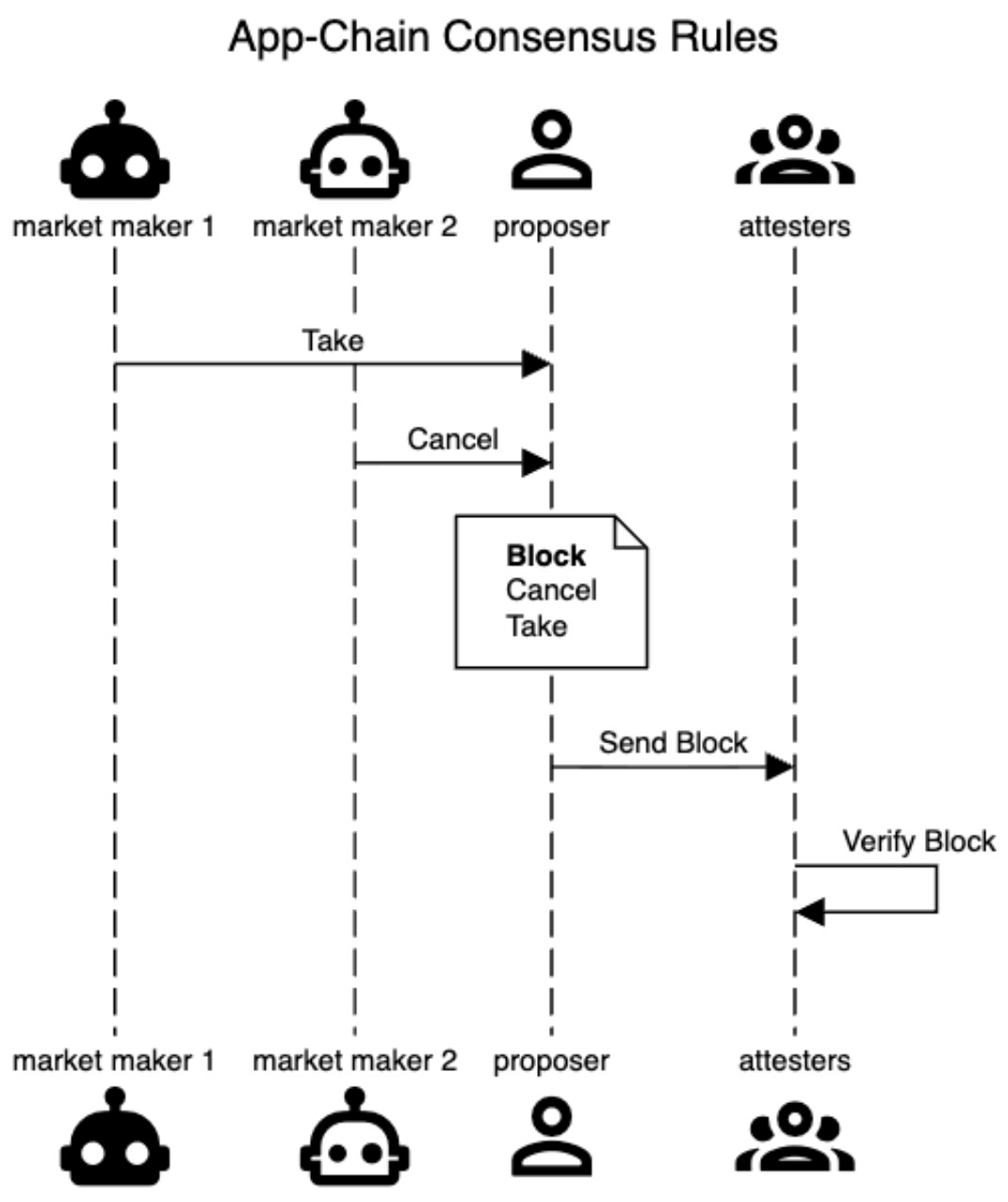
The following comparison outlines the core differences between these models. Use this to align the technical choice with your specific risk profile and user expectations.
| Model | Trust Assumption | Finality | Setup Cost |
|---|---|---|---|
| Native Bridges | Multi-sig / MPC | Fast (minutes) | Low |
| Light Clients | None (Cryptographic) | Slow (hours) | High |
| Message Passing | Relayer / Validator | Variable | Medium |
Native Bridges act as custodial or semi-custodial gates. They are the fastest to deploy and offer the best user experience for simple asset swaps. However, they introduce a centralized point of failure. If the bridge operators are compromised, user funds are at risk. This model suits applications prioritizing speed over maximal decentralization.
Light Client Verification involves running a client of the source chain on your appchain. This is the most secure approach, relying on cryptographic proofs rather than human operators. The downside is complexity and latency; syncing a light client can take hours, and gas costs for verification are significant. This is ideal for high-value, permissionless applications where security is paramount.
Generalized Message Passing (such as IBC or CCIP) allows for complex data and asset transfers between chains. It enables sophisticated composability but requires a robust network of relayers or validators. The trust model varies by protocol, often relying on a set of bonded validators. This approach is best for dApps requiring deep integration with multiple ecosystems.
Your choice should reflect the value and sensitivity of the assets on your appchain. For consumer-facing applications with lower average transaction values, a native bridge may suffice. For institutional or high-value DeFi applications, light clients or trusted message passing are necessary to maintain user confidence.
Deploy collateral and settlement layers
Securing appchain liquidity requires more than just tokenized assets; it demands a rigorous settlement layer that manages risk in real time. The goal is to prevent fragmentation by ensuring that collateral can be moved, valued, and settled instantly across the network. Enterprise-grade infrastructure, such as the DTCC Collateral AppChain, demonstrates how regulated markets handle this by leveraging permissioned, Ethereum-compatible blockchains like Hyperledger Besu.
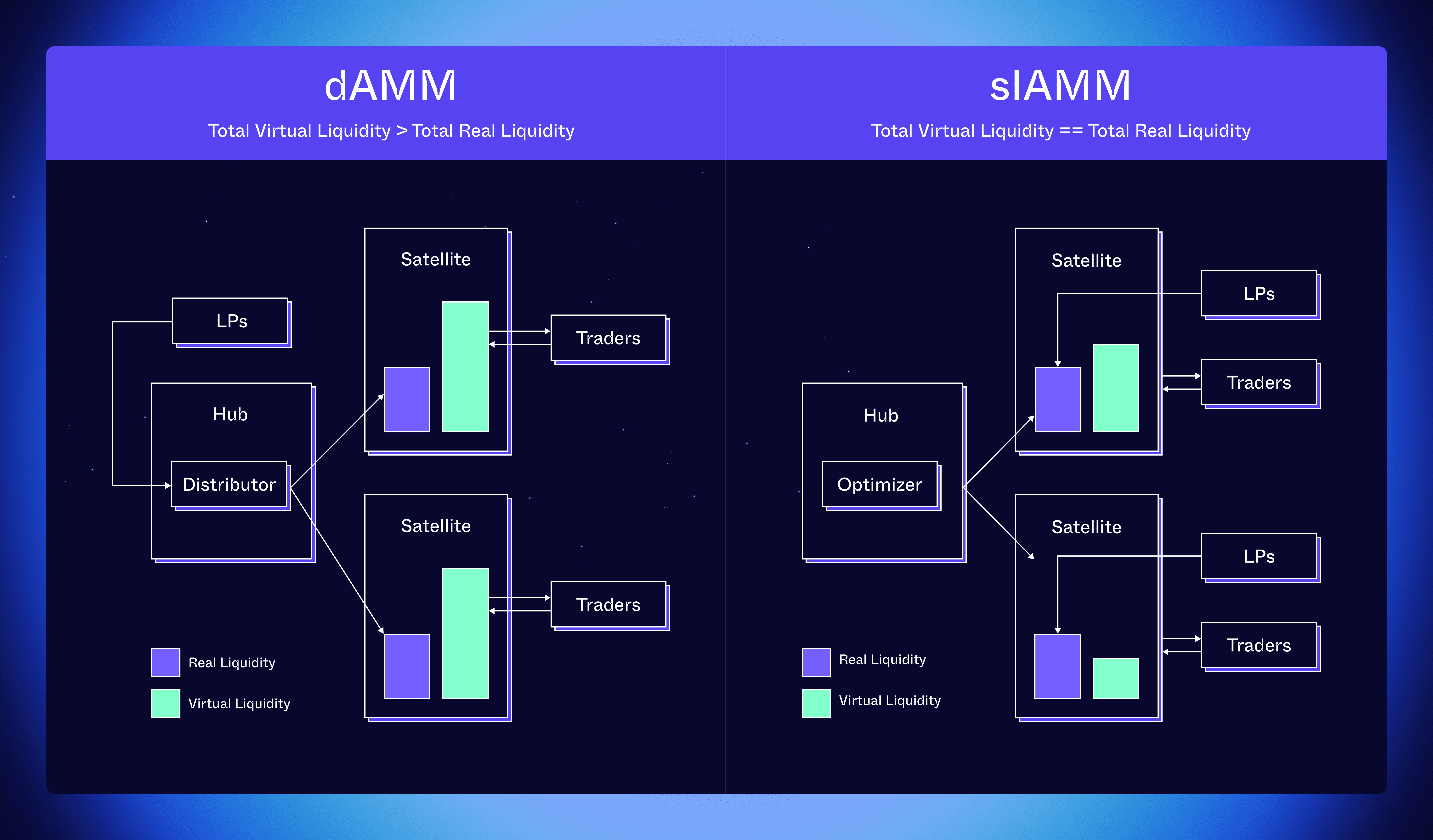
Identify which digital assets will serve as collateral. In regulated environments, this often involves tokenized securities or stablecoins that meet strict liquidity and valuation criteria. The asset must be easily transferable and resistant to the volatility that typically fragments liquidity.
Connect to reliable data sources to track collateral value in near real-time. Platforms like the DTCC Collateral AppChain use Chainlink Runtime Environment (CRE) to ensure that asset prices are accurate and tamper-proof, preventing disputes over collateral adequacy during settlement.
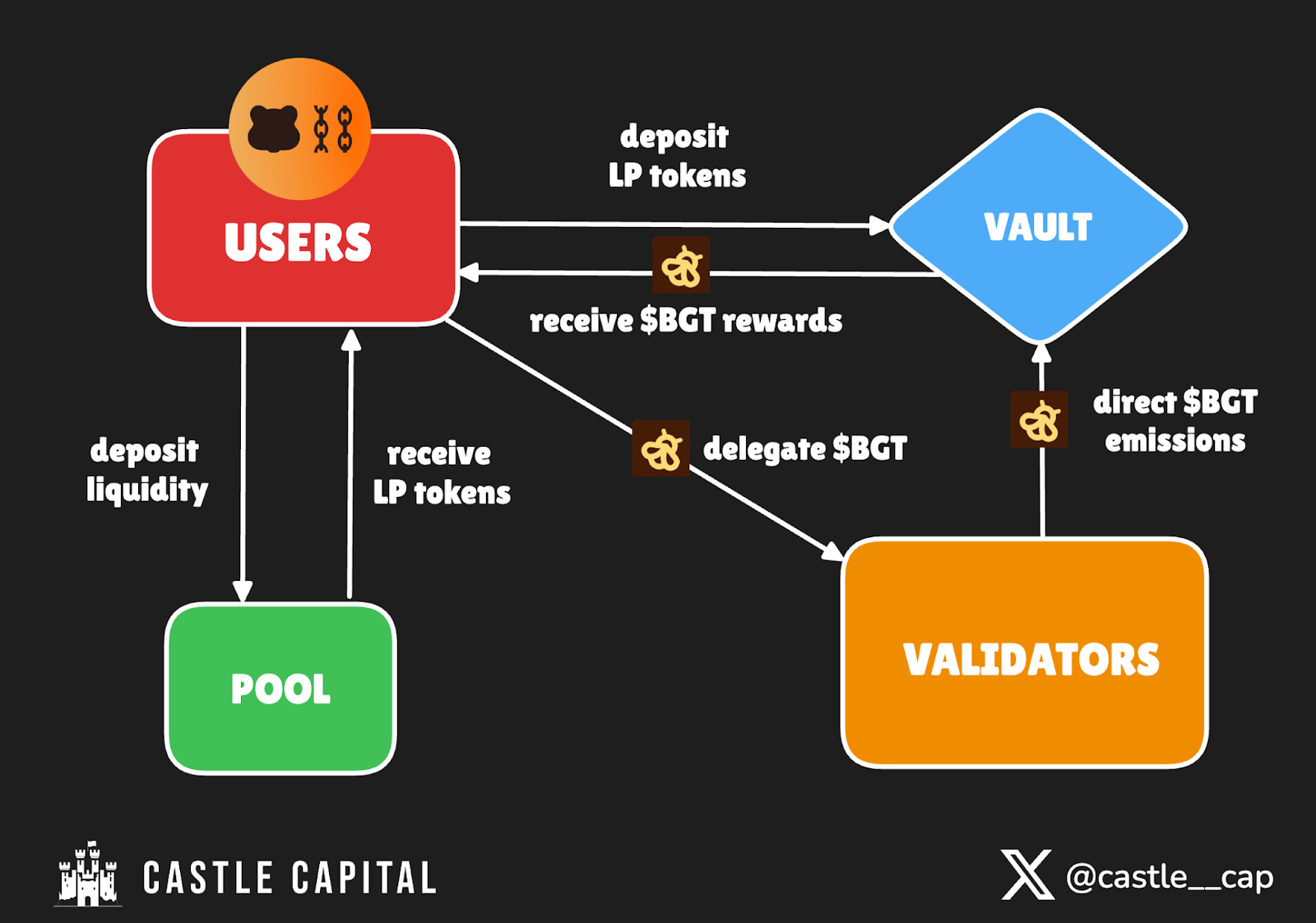
Program the settlement layer to automate the exchange of collateral for services or tokens. This step ensures that liquidity is not locked in static balances but is instead available for immediate use, reducing the need for large, fragmented reserve pools.
Validate the entire collateral management cycle in a sandbox environment. This includes stress-testing the system against rapid price changes or high-volume transactions to ensure that the appchain can handle trillions in daily trading volume without settlement failures.
The difference between a fragmented liquidity pool and a unified appchain often comes down to the speed and reliability of this settlement layer. By automating collateral management, you reduce the friction that typically drives liquidity into isolated silos. This approach allows for deeper, more resilient liquidity that can support complex financial operations.
Integrate Cross-Chain Swaps
To keep liquidity from fragmenting across isolated networks, your appchain must allow users to move assets seamlessly between its native environment and external liquidity pools. This integration transforms a standalone chain into a node within a broader multi-chain ecosystem, ensuring that capital remains accessible regardless of where it originates.
The user-facing mechanism relies on cross-chain swap aggregators. These tools scan multiple decentralized exchanges (DEXs) and bridges to find the most efficient route for an asset transfer. When a trader initiates a swap, the aggregator breaks the transaction into steps: bridging the asset from the source chain, routing it through the deepest liquidity pools, and settling it on the appchain. This process minimizes slippage and gas costs, which is critical for maintaining user retention in high-stakes trading environments.
Thirdweb’s AppChain infrastructure, for example, enables secure asset transfers and cross-chain swaps alongside generalized message passing. This allows dApps to access multi-chain liquidity without requiring users to manually manage different wallets or bridges for every transaction. By embedding these capabilities directly into the appchain’s core, you reduce friction and ensure that liquidity flows freely between your chain and established networks like Ethereum or Solana.
Audit and monitor appchain liquidity health
Liquidity is not a static deposit; it is a dynamic flow that requires constant oversight. Without active monitoring, your appchain risks capital fragmentation, where funds are trapped in inefficient pools or exposed to bridge vulnerabilities. Treat liquidity maintenance as a continuous operational loop rather than a one-time setup task.
Start by tracking slippage and depth. High slippage indicates thin order books, which can deter traders and increase transaction costs. Use analytics dashboards to monitor real-time depth across your primary liquidity pools. If you notice sudden drops in depth, investigate whether liquidity providers are migrating capital to competing chains or if a specific trading pair is underperforming.
Next, verify bridge security and capital efficiency. Most appchains rely on cross-chain bridges to connect with Ethereum, Solana, or other major networks. Regularly audit the smart contracts governing these bridges for known vulnerabilities. Ensure that the capital locked in the bridge matches the total value represented on your appchain. Any discrepancy suggests a potential security breach or a misconfiguration that could lead to loss of funds.
Finally, establish a routine for reviewing on-chain metrics. Look at metrics like total value locked (TVL), volume-to-liquidity ratios, and user retention rates. These indicators help you understand whether your liquidity strategy is attracting genuine usage or just speculative capital. Adjust your incentives or marketing efforts based on these data points to maintain a healthy, sustainable liquidity ecosystem.
No comments yet. Be the first to share your thoughts!