
The Liquidity Constraint in Appchains
Appchains promise dedicated infrastructure, but they face a fundamental liquidity constraint. By design, these modular chains isolate their transaction environments to ensure security and customization. This isolation creates a walled garden where assets cannot easily flow to other networks. For developers, this means building a chain that is technically sound but financially stagnant. The result is a fragmentation crisis where capital remains trapped on individual chains rather than pooling across the broader ecosystem.
Solving this requires more than just connecting chains; it requires active liquidity management. Protocols like Thirdweb’s AppChain address this by enabling cross-chain swaps and generalized message passing. These tools allow decentralized applications to access multi-chain liquidity without sacrificing the security benefits of a dedicated chain. The goal is to create a network of appchains that function as a single, unified liquidity pool.
Institutional players are also recognizing this need. The DTCC’s collateral appchain initiative demonstrates how tokenized assets can enhance liquidity and transparency in global markets. By leveraging digital assets for collateral management, traditional finance institutions can bridge the gap between legacy systems and modular blockchain infrastructure. This approach highlights the potential for appchains to serve as critical liquidity nodes rather than isolated silos.
Appchain liquidity choices that change the plan
Appchains solve fragmentation by dedicating a chain to a single application, but this specialization creates a new set of liquidity challenges. Unlike shared L1s where capital flows freely between DeFi protocols, appchains require deliberate bridging mechanisms to move assets. This design improves performance and customization but introduces friction that can slow down user adoption if not managed carefully.
When evaluating appchain liquidity, you must weigh three concrete factors: the efficiency of cross-chain messaging, the depth of native liquidity pools, and the security model of the bridge infrastructure. A chain like DTCC’s collateral appchain prioritizes institutional settlement and transparency over high-frequency retail trading, meaning its liquidity profile looks very different from a consumer-focused gaming appchain.
To help you compare these tradeoffs, the table below breaks down the key metrics for different appchain approaches.
| Factor | Shared L1 (e.g., Ethereum) | Dedicated Appchain (e.g., DTCC Collateral) | Hybrid (e.g., Thirdweb AppChain) |
|---|---|---|---|
| Liquidity Depth | High (network effects) | Low (isolated initially) | Medium (cross-chain swaps) |
| Bridging Friction | Low (native assets) | High (requires external bridges) | Medium (message passing) |
| Settlement Speed | Variable (gas wars) | Fast (dedicated blockspace) | Fast (optimized for app) |
| Security Model | Highest (shared hash rate) | Moderate (shared security or solo) | High (leveraged security) |
| Use Case | General DeFi/NFTs | Institutional collateral | Multi-chain dApps |
The choice between these models depends on your primary goal. If you need maximum liquidity and network effects, a shared L1 remains the safest bet. However, if you require specific compliance features or settlement speeds that shared chains cannot provide, a dedicated appchain like the DTCC’s collateral chain offers a tailored environment, even if it means accepting lower initial liquidity.
For a deeper look at how these assets perform in the broader market, you can view the live technical chart below. This helps contextualize the underlying asset’s volatility against the specific utility of your appchain.
How to Choose an Appchain Liquidity Strategy
Selecting a liquidity model for your appchain requires matching your settlement needs with available infrastructure. Modular chains solve fragmentation by decoupling execution from consensus, but they introduce bridge complexity. Use this framework to evaluate your options based on capital efficiency, security, and operational overhead.
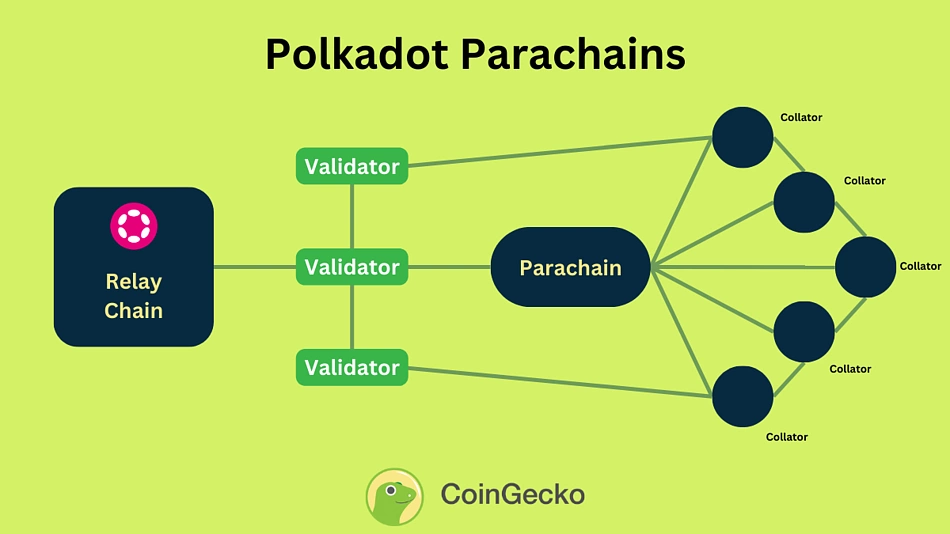
Bootstrapping your own token is the most direct path to deep liquidity. DApps built on appchains often issue native tokens to incentivize early users and validators. This creates a self-reinforcing cycle where trading volume drives token demand, and token value attracts more liquidity providers. However, this approach requires significant marketing and community building to prevent a "ghost chain" scenario where no one trades.

If launching a native token isn't feasible, bridge existing liquidity from established chains like Ethereum or Solana. Thirdweb and similar infrastructure providers enable secure asset transfers and cross-chain swaps, allowing your dApp to access multi-chain liquidity immediately. While this speeds up time-to-market, it introduces bridge risk. Users must trust the bridge operators, and smart contract vulnerabilities in the bridge layer can expose all pooled funds.

For enterprise or regulated use cases, consider models like the DTCC collateral appchain. This approach focuses on tokenized digital assets for institutional settlement rather than speculative trading. It enhances liquidity and transparency through automated collateral management. This model is ideal if your appchain serves a specific B2B function, such as clearing and settlement, where regulatory compliance and auditability outweigh the need for high-frequency retail trading.
Liquidity providers need predictable transaction costs to manage their positions effectively. Appchains that rely on volatile native tokens for gas can suffer from liquidity dry-ups during market downturns. Consider using a stablecoin or a dual-token system where one token handles utility and another handles governance. This separation stabilizes operational costs for developers and traders, ensuring that liquidity remains available even when the governance token price fluctuates.
| Feature | Native Token | Bridged Liquidity |
|---|---|---|
| Speed to Market | Slow | Fast |
| Security Risk | Low | High |
| Capital Control | Full | Partial |
KeyTakeaways items=["Native tokens offer deep control but require heavy marketing.","Bridged liquidity provides instant depth but introduces bridge risk.","Institutional models like DTCC focus on collateral efficiency over speculation."]
Avoid the weak options
Use this section to make the Appchain Liquidity decision easier to compare in real life, not just on paper. Start with the reader's actual constraint, then separate must-have requirements from details that are merely nice to have. A practical choice should survive normal use, maintenance, timing, and budget. If a recommendation only works in an ideal situation, call that out plainly and give the reader a fallback path.
The simplest way to use this section is to write down the must-have criteria first, then compare each option against those criteria before weighing nice-to-have features.
No comments yet. Be the first to share your thoughts!