
Set up your liquidity monitoring
Before deploying capital into an appchain, you need real-time visibility into depth and spread. Without live data feeds, you are trading blind, risking slippage and failed transactions when the market moves. This section walks you through connecting those feeds and building the dashboards that keep your liquidity safe.
Start by linking your monitoring tools directly to the appchain’s official RPC nodes or verified block explorers. Avoid third-party aggregators for initial setup, as they may introduce latency or data discrepancies. Use the chain’s native API documentation to pull raw transaction and pool data. This ensures you are seeing the true state of the liquidity layer, not a cached or delayed version.

Configure your dashboard to display real-time order book depth and bid-ask spreads. For automated market makers (AMMs), track the ratio of assets in the pool and the current price impact for standard trade sizes. Set alerts for when spread widens beyond your threshold, which often signals low liquidity or high volatility. This data is critical for determining the right size for your initial liquidity provision.

If your appchain relies on cross-chain bridges or interoperability protocols, monitor the status of these channels separately. Check for any pending messages or failed transfers that could trap assets. The DTCC’s approach to collateral appchains highlights the importance of production-grade interoperability; ensure your monitoring covers these bridges to prevent liquidity from getting stuck in transit.
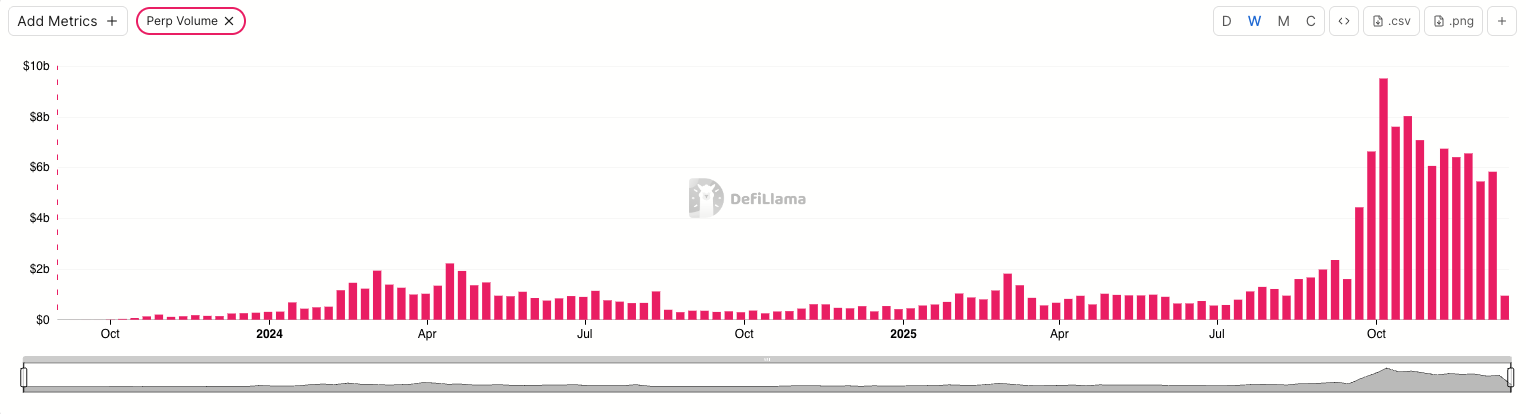
Run historical data simulations to see how your liquidity would have performed during past market events. Use this to set realistic stop-loss or rebalancing triggers. This step helps you understand the worst-case spread and depth scenarios, allowing you to adjust your capital allocation before it is too late.
By following this sequence, you establish a reliable foundation for liquidity management. You are no longer guessing about market conditions; you are reacting to verified data. This proactive approach minimizes risk and ensures your capital is deployed efficiently.
Deploy AI-driven aggregation logic
Securing appchain liquidity requires routing orders across fragmented pools without exposing your position to slippage. AI-driven aggregation models solve this by analyzing real-time depth across multiple liquidity sources and executing the most efficient path.
Implementing this logic involves three core steps: defining the routing parameters, training the execution model, and validating performance against historical data.
Start by establishing the boundaries for your AI model. You must specify the maximum acceptable slippage, the minimum liquidity depth required for a trade to be valid, and the priority between execution speed and cost efficiency. These constraints act as the guardrails for your algorithm, ensuring it only selects routes that align with your appchain’s risk tolerance. Without strict parameters, the model may attempt to execute trades across pools that are too thin, leading to poor fill rates.
Feed your model historical order book data and execution logs from your target liquidity pools. The AI needs to learn how different pools react to varying trade sizes and market volatility. Focus on training the model to recognize patterns where traditional aggregators fail, such as during high-frequency trading spikes or when specific appchains experience temporary congestion. This training phase is critical for building a model that can predict slippage before it happens, rather than just reacting to it.
Before deploying the AI logic to mainnet, run extensive backtests against the last six months of market data. Compare the AI’s proposed routes against standard multi-hop aggregators to quantify the slippage savings. Once live, implement real-time monitoring dashboards that track execution quality in milliseconds. This allows you to adjust the model’s parameters dynamically if market conditions shift, ensuring your appchain’s liquidity remains deep and efficient even during periods of extreme volatility.
Validate cross-chain bridges
Cross-chain bridges are the weakest link in any appchain architecture. A single compromised bridge can drain an entire liquidity pool, regardless of how secure the underlying appchain is. To secure appchain liquidity in 2026, you must audit every bridge you intend to use before routing significant capital.
Start by verifying the bridge's security model. Does it rely on a centralized multi-sig, a decentralized validator set, or a zero-knowledge proof system? Centralized bridges are faster but introduce single points of failure. Decentralized bridges are slower but more resilient. Check the bridge's audit history with reputable firms like OpenZeppelin or Trail of Bits. If a bridge hasn't been audited recently, do not use it for institutional-grade liquidity.
Next, evaluate finality times and costs. High latency can lead to front-running or failed transactions, especially during market volatility. Compare the expected settlement times across different networks. A bridge that takes hours to settle is unsuitable for high-frequency trading strategies. Additionally, monitor gas fees and bridge fees. High costs can erode profit margins and make small transactions uneconomical.
Use the following comparison to evaluate top cross-chain bridges based on latency, cost, and security scores. These metrics are based on recent performance data and audit reports.
| Bridge | Avg. Finality | Avg. Fee | Security Score |
|---|---|---|---|
| LayerZero | ~30s | Low | High |
| Wormhole | ~1-2m | Medium | High |
| Hop Protocol | ~15m | Low | Medium |
| Stargate | ~10s | Low | High |
Finally, test the bridge with a small amount of capital. Observe the transaction flow, check for any unexpected delays, and verify that the funds arrive in the correct state. This practical test will reveal any hidden issues that theoretical analysis might miss. Always have a fallback plan in case a bridge fails or becomes congested. Diversifying across multiple bridges can mitigate this risk.
Monitor and adjust in real time
Liquidity on appchains is not a set-and-forget configuration. As trading volume shifts and market volatility changes, your liquidity positions can drift from optimal efficiency, leading to impermanent loss or missed yield opportunities. You need a continuous monitoring workflow that leverages AI insights to rebalance automatically or alert you to manual intervention.
Begin by connecting your appchain nodes to a real-time analytics dashboard. You need visibility into key metrics: total value locked (TVL), trading volume, and the current spread of your liquidity pools. Tools like Delphi Digital’s liquidity charts provide context on broader market trends, helping you distinguish between local noise and significant shifts in demand [src-serp-6]. Without this data layer, you are flying blind.
Integrate AI monitoring tools that analyze on-chain data to predict liquidity gaps. Set specific triggers based on your risk tolerance. For example, if the AI detects a 15% deviation in the optimal price range due to a sudden volume spike, it should automatically suggest or execute a rebalance. This ensures your liquidity remains concentrated where traders are active, maximizing capital efficiency without constant manual oversight.
AI is a tool, not an autonomous agent you should fully trust without oversight. Dedicate time each day to review the adjustments made by your monitoring system. Check for anomalies, such as rebalances triggered by flash loan attacks or unusual market manipulation. Franklin Templeton notes that as blockchain becomes a universal liquidity layer, the complexity of cross-chain flows increases, making human validation of AI decisions critical for risk management [src-serp-3].
A daily checklist ensures you don’t miss subtle signs of liquidity stress.
Common appchain liquidity pitfalls
Even with robust infrastructure, appchains face specific liquidity risks that can halt operations or drain capital. The following pitfalls are the most common failure points in 2026, along with the specific actions required to mitigate them.
Bridge exploits
Cross-chain bridges remain the primary attack vector for appchain liquidity. When liquidity is locked in a bridge contract, a single vulnerability can result in total loss. Fix: Only use bridges that have undergone multiple independent audits by reputable firms. Implement circuit breakers that pause withdrawals if anomalous volume is detected.
AI model drift
Many appchains use AI models to predict liquidity needs and rebalance pools automatically. These models drift over time as market conditions change, leading to inefficient capital allocation or missed rebalancing opportunities. Fix: Schedule weekly model retraining using fresh on-chain data. Monitor prediction accuracy metrics and alert operators when drift exceeds a 5% threshold.
Insufficient depth
Thin order books make appchains vulnerable to slippage and manipulation during high-volatility events. Fix: Incentivize market makers with dedicated liquidity mining rewards. Set minimum liquidity thresholds for new token listings to ensure sufficient depth before public trading begins.
No comments yet. Be the first to share your thoughts!