

Liquidity-as-a-Service for L3 Appchains: Seamless Bridges and Market Making for App-Specific Chains

Layer 3 appchains promise dedicated blockspace for specialized applications, yet their isolated nature often starves them of vital liquidity. Developers launching these chains grapple with fragmented pools, high slippage during trades, and sluggish cross-chain transfers that deter users. Liquidity-as-a-Service for L3 emerges as the methodical antidote, bundling seamless bridges, automated market making, and incentive mechanisms to bootstrap thriving ecosystems from day one.

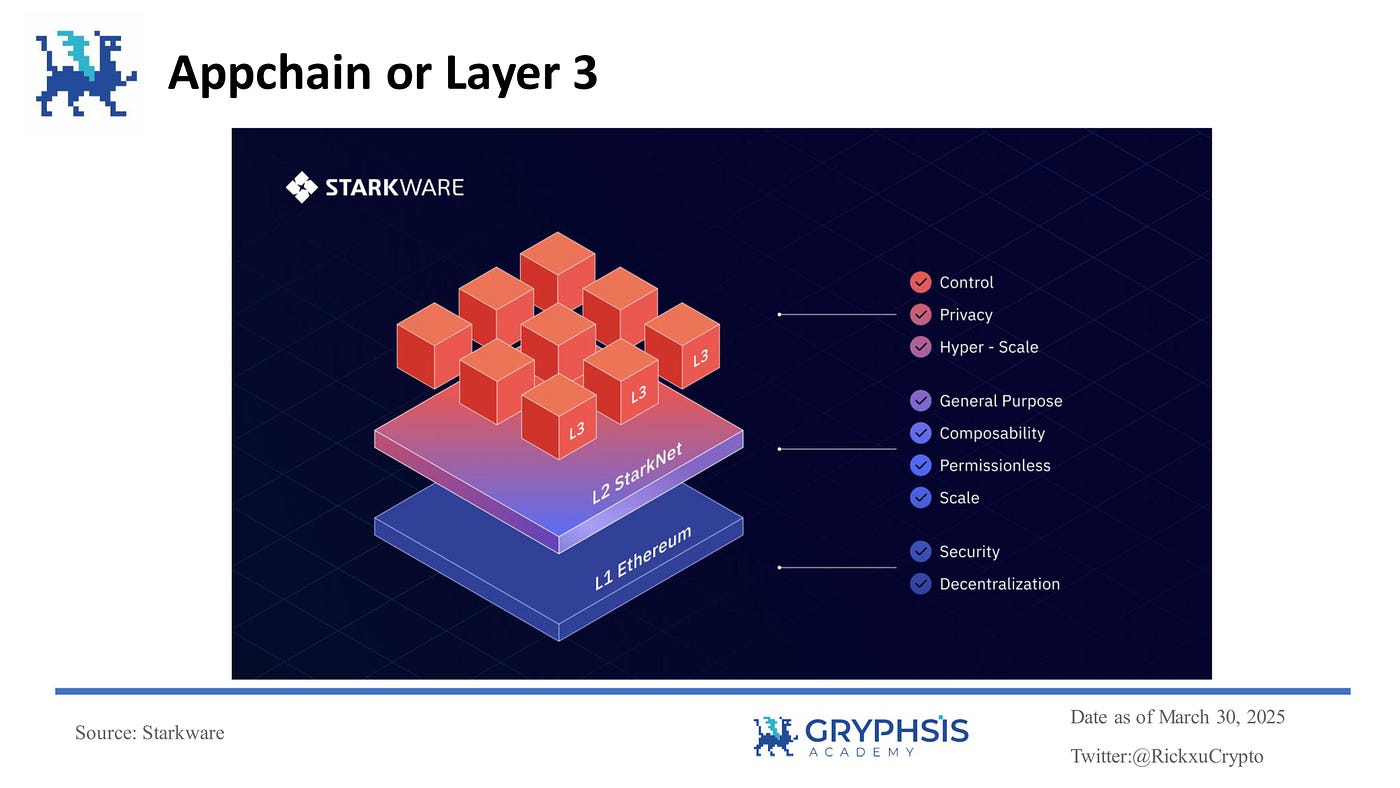
In this multi-chain era, traditional Layer 1s benefit from mature bridges and liquidity hubs, but L3 appchains demand tailored strategies. Market makers actively quote prices and absorb trades, distinct from liquidity providers who commit capital to pools, as noted in analyses from DWF Labs. This distinction proves crucial for appchains, where automated market making for appchains can exploit cross-chain arbitrage to rebalance pools dynamically, per Flovtec’s market-making perspective.
Navigating Liquidity Shortfalls in L3 Appchain Bridges
Bridges represent the lifeline for L3 appchains, yet they frequently suffer liquidity droughts. Medium’s Jung-Hua Liu highlights incentive alignment in multi-chain bridges, where stakeholders bear losses before insurance kicks in, compelling vigilance. For L3s, this means designing bridges that not only transfer assets but sustain liquidity through capital-efficient deposits, much like Rhino. fi’s Bridge-as-a-Service offering stablecoin inflows in near-single-transaction speed.
Recent integrations underscore this shift. Seamless on Base leverages LI. FI’s widget for bridging from 20 chains, optimizing swaps across 36 DEXs without app exits. Similarly, Citrea’s Bitcoin appchains settle via modular DA layers like Celestia, providing predictable execution unhindered by competition. These examples reveal a pattern: L3 appchain bridges thrive when paired with unified liquidity layers, as LiquidChain’s ULA demonstrates through portfolio aggregation and atomic swaps across Bitcoin, Ethereum, and Solana.
Zeeve and Tanssi further simplify deployment, offering 24/7 monitoring and ContainerChains that handle block production and cross-chain messaging. Yet, without proactive liquidity bootstrapping, even these infrastructures falter. Hyperbridge and zkBridge address this via cryptographic proofs and succinct verifications, slashing costs while upholding trustless transfers.
Automated Market Making: Powering Deep L3 Pools
Automated market making appchains replace order books with liquidity pools fueled by providers, as KPMG outlines in DEX insights. Providers earn fees for shouldering risks traders evade, per HyroTrader’s 2026 guide. For L3s, AMMs must adapt to app-specific demands, incorporating cross-chain rebalancing to capture arbitrage profits and scale volumes.
Market Making vs. Liquidity Provision
| Aspect | Market Making | Liquidity Provision |
|---|---|---|
| Role | Continuous quoting and trading, taking the other side of trades (DWF Labs) | Capital commitment to pools, e.g., AMM-based DEXs funded by LPs (KPMG) |
| Risks | Inventory risk and adverse selection ⚠️ | Impermanent loss ⚠️ |
| Rewards | Spreads and rebates 💰 | Fees and incentives 💰 |
| L3 Fit | Arbitrage across chains, rebalancing liquidity (Flovtec, LI.FI integration) | Sticky pools via incentives, unified liquidity layers (CfC St. Moritz, LiquidChain ULA) |
Flovtec emphasizes market makers’ role in bridging liquidity, maintaining tight spreads amid volatility. ChainUp and AlphaPoint position Liquidity-as-a-Service as the enabler, delivering fluid markets with minimal slippage. In L3 contexts, this translates to services like Supra Containers, which bundle shared liquidity with customizable governance atop a high-performance L1.

Consider B3’s horizontal scaling: purpose-built appchains retain unified liquidity, sidestepping congestion. Arcana Network’s chain abstraction adds a single-balance layer, abstracting gas and assets for seamless multichain use. MAP Protocol and Omnichain Web frameworks relay transactions scalably, integrating light clients to cut costs.
Crafting L3 Liquidity Incentives That Stick
Incentive structures prove pivotal for L3 liquidity incentives, echoing CfC St. Moritz’s DeFi scaling playbook. Avalanche’s success stemmed from targeted rewards that glued liquidity in place. For appchains, LaaS providers like Rhino. fi tailor bridges for platforms such as Paradex, boosting conversions via aggregator-free transfers in minutes. Dynamic’s wallet infrastructure and Push Chain’s shared-state L1 further unify experiences, enabling EVM-non-EVM interoperability.
Starknet’s appchains exemplify this, hosting services that evolve toward L3 for scaled performance and reduced fees. Rollups-as-a-Service providers like Alchemy equip gaming and DeFi with customizable chains, but true stickiness demands layered incentives: initial airdrops for bootstrapping, yield farming for retention, and governance tokens for alignment. At AppChainLiquidity. com, we methodically layer these, ensuring L3 liquidity incentives evolve with ecosystem maturity.
Overcoming Fragmentation: Unified Liquidity Layers
L3 appchains often fragment liquidity across silos, inflating slippage and eroding trust. Solutions like Supra Containers counter this by pooling resources in a composable ecosystem, secured by a performant L1 without bespoke infrastructure burdens. Tanssi’s ContainerChains extend this, offloading data availability and messaging to let developers prioritize logic. Opinion: Pure appchains risk isolation unless unified layers intervene; LiquidChain’s ULA proves the blueprint, aggregating portfolios and routing swaps atomically across majors like Bitcoin and Solana.
Arcana’s chain abstraction takes it further, granting one balance for multichain spends, masking gas complexities. zkBridge and MAP Protocol fortify with trustless proofs and light clients, scaling relays cost-effectively. B3’s appchains scale horizontally, dedicating blockspace per use case while sharing liquidity pools. These innovations underscore a truth: liquidity as a service L3 must transcend bridges, fostering native depth through orchestrated inflows.
Market makers shine here, per Flovtec, arbitraging discrepancies to rebalance dynamically. Unlike static pools prone to impermanent loss, AMMs tuned for L3 capture cross-chain flows, rewarding providers with spreads. HyroTrader notes LPs thrive by warehousing risks, but for appchains, automation amplifies this via predictive rebalancing.
LaaS in Action: Tailored Strategies for Appchain Success
Rhino. fi’s Paradex bridge slashed times to minutes, spiking engagement without aggregators. Dynamic abstracts wallet hurdles, supporting secure, deep-chain bridges. Push Chain unifies EVM and non-EVM via shared state, smoothing liquidity for universal apps. Zeeve’s stacks – Arbitrum Orbit, OP Stack – pair with monitoring for resilient launches.
Key LaaS Benefits for L3 Appchains
-

Instant deep pools via automated market making: AMMs like those in DEXs fund liquidity pools for continuous price updates and deep liquidity from launch (KPMG).
-
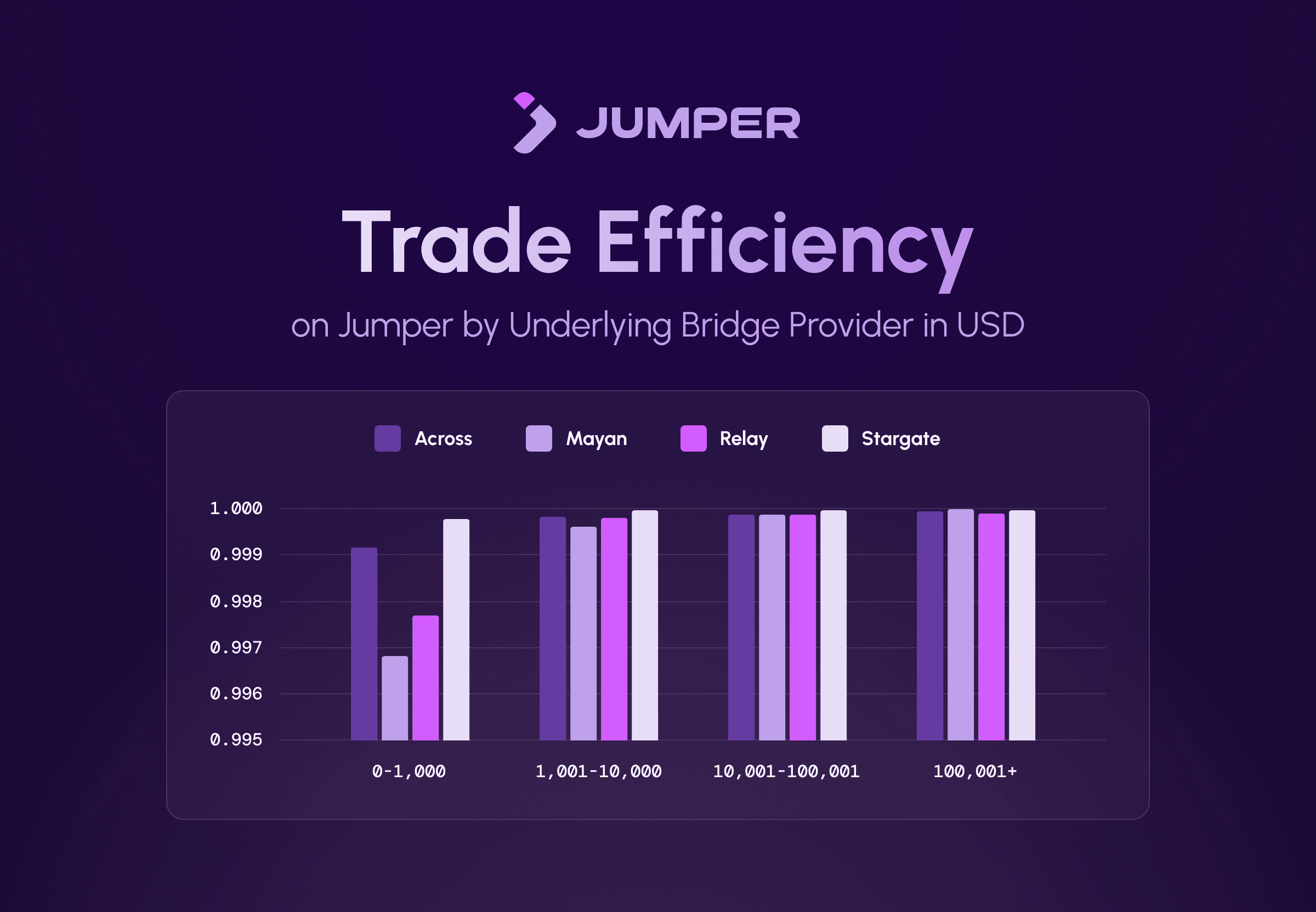
Cross-chain bridges with minimal slippage: Solutions like LI.FI and Rhino.fi BaaS enable seamless asset bridging across 20+ chains with optimal pricing (LI.FI).
-

Incentive mechanisms for sticky liquidity: Structures align LPs with protocols, powering growth as in Avalanche, rewarding risk-taking via fees (CfC St. Moritz).
-
Capital efficiency from day one: LaaS providers like Zeeve deliver 24/7 monitoring and scalable infrastructure, optimizing LP rewards without fragmentation (Zeeve).
-
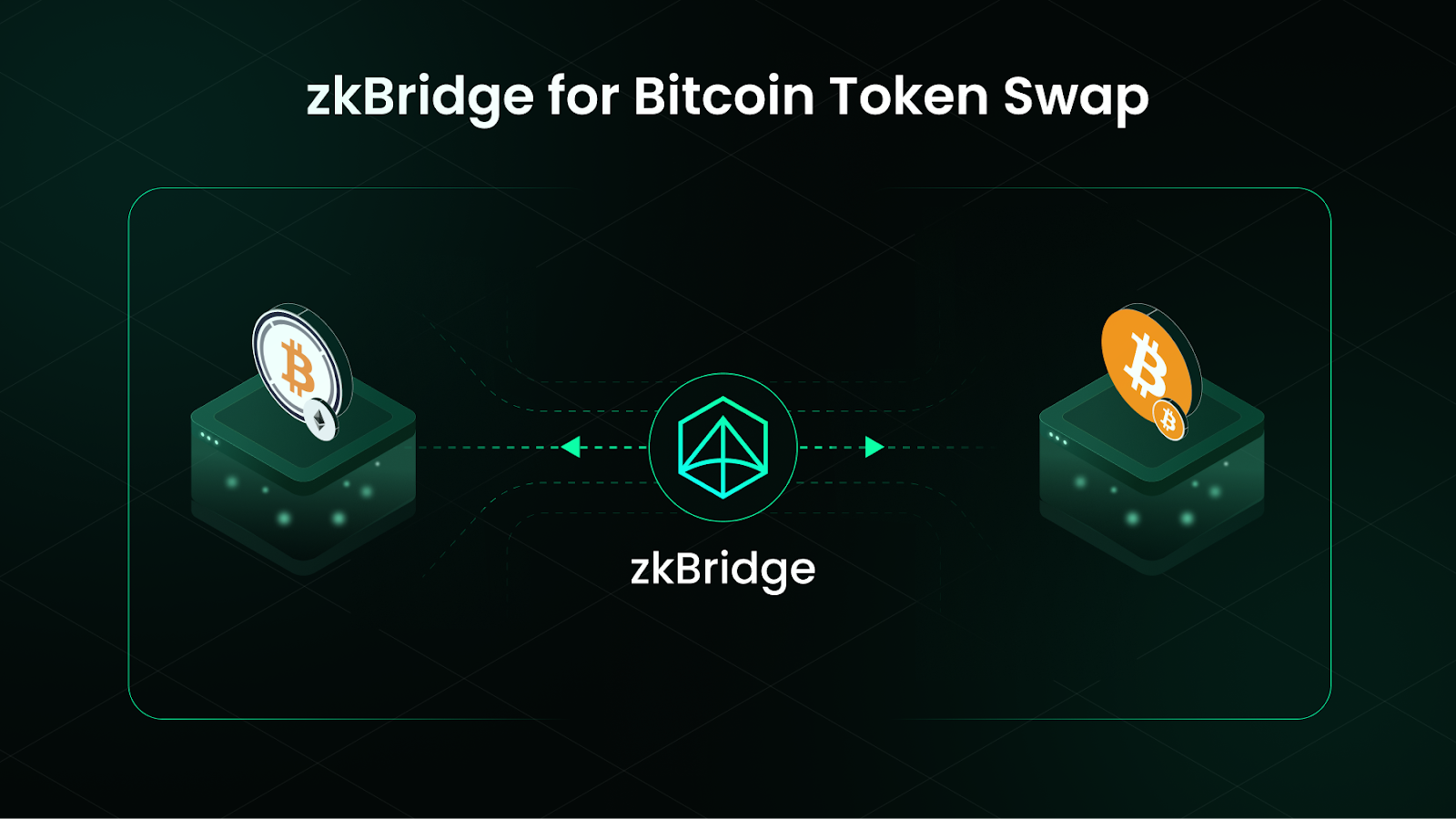
Scalable interoperability without fragmentation: Protocols like zkBridge and Hyperbridge use proofs for trustless transfers, unifying liquidity across L3 appchains (zkBridge).
These cases reveal patterns. Incentives must align short-term bootstraps with long-term utility; bridges require capital efficiency; market making demands agility. Instanodes contrasts this with L1s’ established hubs, but L3s leapfrog via specialization.
Challenges persist: oracle dependencies, validator centralization, MEV extraction. Yet, Hyperbridge’s decentralized proofs and Omnichain Web’s modular networks mitigate these. At core, L3 appchains liquidity hinges on services that integrate these orthogonally.
Developers eyeing custom chains – gaming realms, DeFi vaults, social protocols – find LaaS indispensable. It transforms theoretical blockspace into vibrant markets. Fundamentals fuel lasting liquidity: assess tokenomics rigorously, simulate arbitrage, calibrate rewards. AppChainLiquidity. com delivers precisely this, powering L3 ecosystems with bridges that flow, pools that deepen, and incentives that endure. Launch with liquidity that scales.