

Liquidity Bootstrapping for New L3 Appchains: Automated Market Making and Incentive Designs

New Layer 3 appchains burst onto the scene with ambitious visions of specialized DeFi ecosystems, yet they often stumble into a liquidity desert. Without deep liquidity pools L3 projects crave, trading suffers massive slippage, user adoption stalls, and the entire chain risks fading into obscurity. Bootstrapping liquidity demands more than dumping tokens into a pool; it requires sophisticated automated market making L3 protocols paired with razor-sharp incentive designs. At AppChainLiquidity. com, we’ve dissected the mechanics to deliver turnkey solutions that ignite thriving markets from genesis block.


Cracking the Code on L3 Appchains Liquidity Bootstrapping Challenges
Traditional AMMs like Uniswap V2 exposed LPs to impermanent loss and inefficient capital allocation, but L3 appchains amplify these pains through fragmented cross-chain environments. Fresh chains lack the organic order flow of L1s or L2s, forcing teams to engineer liquidity from scratch. Research from arXiv underscores this: LPs crave strategies that maximize yields amid volatile external prices and pool imbalances. Enter L3 appchains liquidity bootstrapping – a blend of concentrated liquidity tactics and dynamic provisioning that slashes slippage while amplifying trading volumes.
Concentrated liquidity, as detailed in Uniswap V3-inspired models, lets providers zoom in on high-probability price ticks, capturing fees without overexposure. Yet for L3s, this evolves further. Stochastic optimization papers highlight reallocation costs and divergence risks, pushing LPs toward predictive models that anticipate price swings via on-chain oracles. Our swing trading lens at AppChainLiquidity. com spots these opportunities early, charting slippage reductions through advanced AMM hooks.
Automated Market Making Evolutions Tailored for L3 Depth
Juiced Protocol stands out as the active liquidity layer for ecosystems like RISE, deploying Maker Vaults as autonomous on-chain bots. Deposit assets, and these vaults execute market-making with algorithmic precision – tightening spreads, maintaining uptime, and scoring providers on quality contributions. The vote-escrow governance via locked $JUICE tokens aligns long-term holders with revenue shares, creating a self-sustaining flywheel. Doppler takes it further with Dutch-auction bonding curves in Uniswap V4 hooks, automating price discovery sans custodians. Deploy a token, and liquidity bootstraps itself through self-executing ramps to fair value.
Core AMM Innovations for L3s
-
Juiced Maker Vaults: Smart contracts acting as on-chain trading bots for the RISE ecosystem. Automate market-making strategies, score LPs on spread tightness and uptime, with vote-escrow governance via $JUICE tokens. Docs
-
Doppler Bonding Curves: Dutch-auction dynamic bonding curves as Uniswap v4 hooks. Enable self-executing, non-custodial initial price discovery and automated liquidity bootstrapping without user intervention. Whitepaper
-
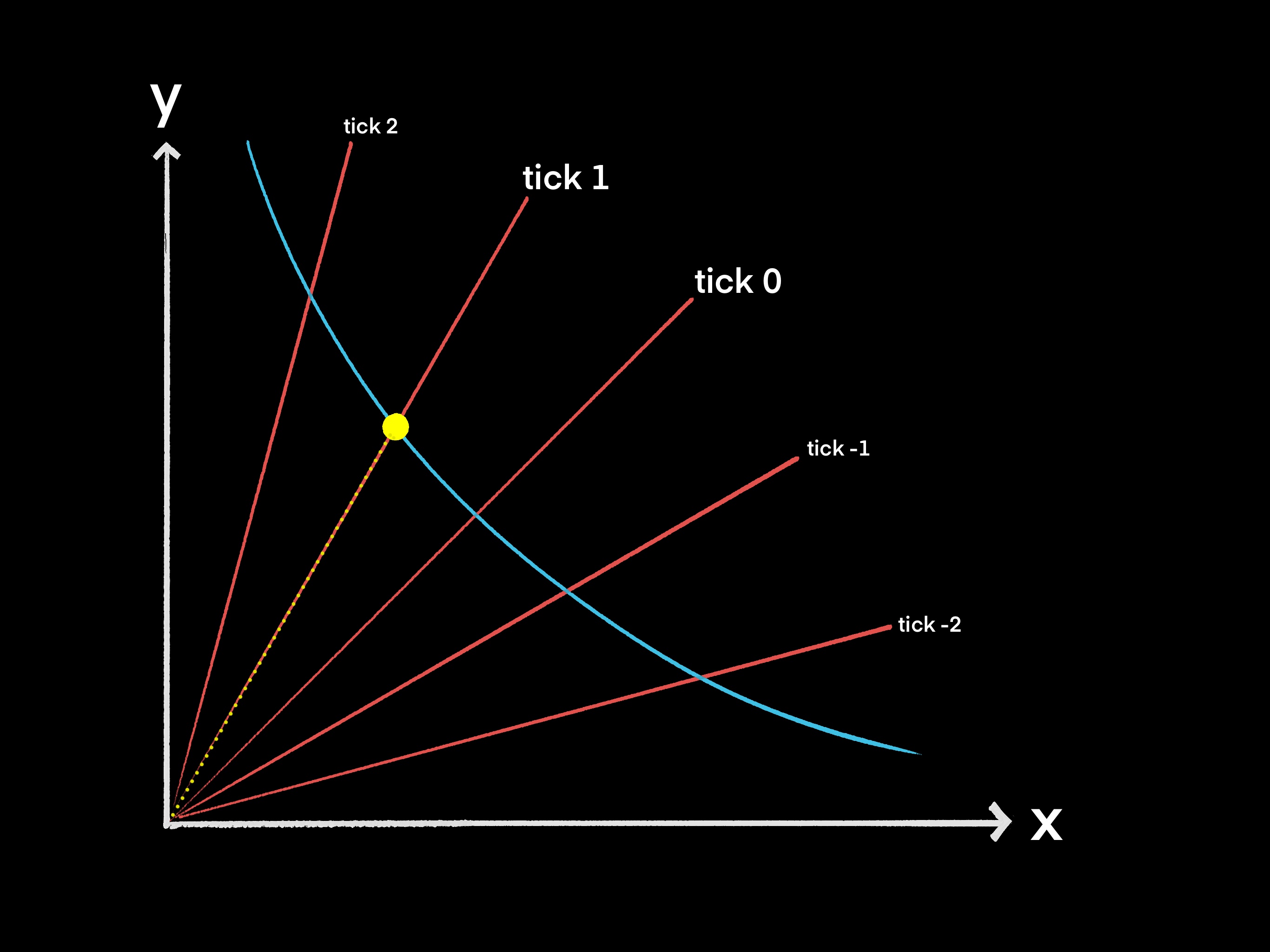
Concentrated Liquidity Ticks: LPs allocate liquidity to custom price intervals (ticks) in AMMs like Uniswap V3, earning fees efficiently while minimizing capital exposure outside active ranges.
-
Equilibrium Reward Contracts: Optimize AMM rewards to maximize order flow and LP profitability, factoring external prices, pool reserves, and reference prices per recent arXiv models. arXiv
These aren’t gimmicks; they’re battle-tested against Myersonian frameworks for monopolist LPs, optimizing reserves against external market signals. LongHash Ventures notes classic AMMs’ limitations – high gas, poor capital efficiency – but L3-native designs counter with app-specific optimizations. Picture cross-chain bridges appchains feeding into these pools: seamless inflows from L1/L2 assets build instant depth, minimizing the bootstrapping lag that dooms 80% of new chains.
Layer 3 Liquidity Incentives: Aligning Actors for Explosive Growth
Incentive misalignment is the silent killer of appchain vitality. Validators, focused on security slashing risks, shun DeFi participation, splintering liquidity into silos. ChainScore Labs nails it: co-invest in cross-chain liquidity from day zero via protocols like Osmosis or Astar to escape isolation. Airdrops emerge as non-negotiable seeds, injecting capital into DEX pools and market makers, kickstarting volume loops.
Layer 3 liquidity incentives must layer sophistication. Equilibrium rewards from recent arXiv studies balance order flow auctions with LP profitability, factoring pool reserves and reference prices. Yield farming evolves into scored provisioning, where uptime and tightness trump raw volume. We’ve seen swing trades explode when these align – LPs rotate positions dynamically, capturing alpha from incentive gradients while AMMs stabilize the core.
Our platform at AppChainLiquidity. com engineers these gradients into plug-and-play modules, where deep liquidity pools L3 form through automated rotations and oracle-fed predictions. Swing traders thrive here, riding short-term flows as incentives pull in validators and early adopters alike.
Cross-Chain Bridges Appchains: The Liquidity Superhighway
Isolation kills momentum; that’s why cross-chain bridges appchains must anchor every L3 launch. Budgeting for protocols like Osmosis integrates inflows from Cosmos hubs or Astar parachains, flooding native DEXes with external capital. Without this, airdrop-fueled pools evaporate under trading pressure, leaving slippage craters. ChainScore Labs warns of the feedback loop: sparse liquidity repels traders, validators idle, and growth flatlines. Break it by co-investing in bridges that enforce atomic swaps and minimal latency, turning L3s into multi-chain magnets.
Uniswap Technical Analysis Chart
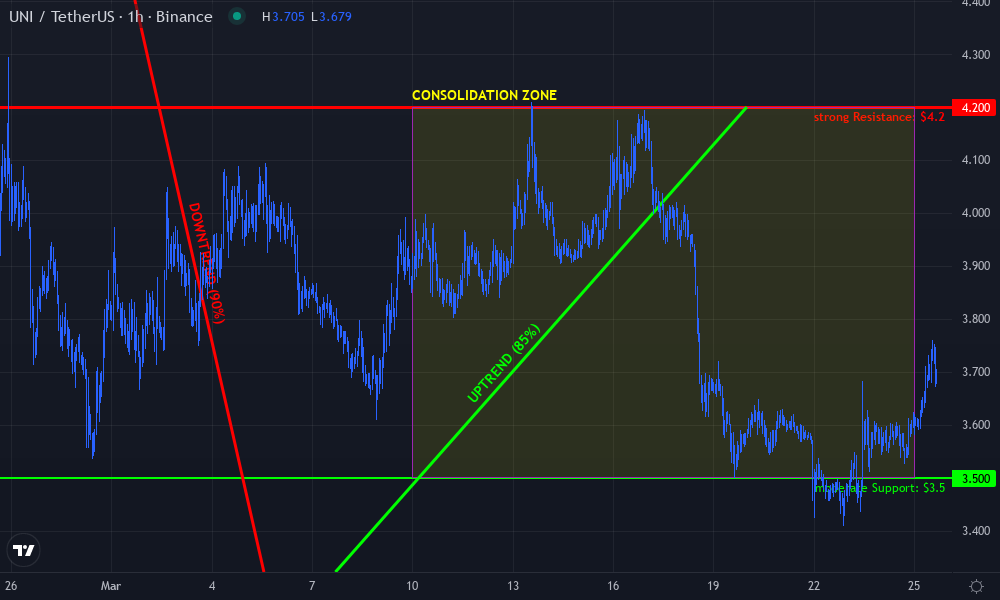
Analysis by James Lee | Symbol: BINANCE:UNIUSDT | Interval: 1h | Drawings: 7
Technical Analysis Summary
On this UNIUSDT daily chart spanning March 2026, draw an aggressive downtrend line from the March 1 high at 4.60 connecting to the March 6 low at 3.20, then pivot to a sharp uptrend channel from March 6 (3.20) through March 20 peak (4.20) extending forward. Mark horizontal resistance at 4.20 (recent high) and 4.60 (initial high), support at 3.20 (panic low) and 3.50 (recent base). Rectangle the consolidation zone March 10-25 between 3.50-4.20. Fib retracement 0.618 from March 6 low to March 20 high at ~3.75 for entry. Long position marker at current 3.80 with profit target arrow to 4.50, stop below 3.50. Volume callout on March 6 spike ‘liquidity grab’, MACD arrow up on recent bullish cross. Vertical line on March 25 for liquidity bootstrap news context. Swing with the flow—aggressive longs here.
Risk Assessment: medium
Analysis: High reward setup on liquidity rotation but overhead resistance caps; aligns with aggressive style
James Lee’s Recommendation: Aggressive long entry now, swing to 4.50+ riding AMM yield flows
Key Support & Resistance Levels
📈 Support Levels:
-
$3.2 – Panic low volume climax, strong LP base
strong -
$3.5 – Recent swing low, moderate hold
moderate
📉 Resistance Levels:
-
$4.2 – Recent high, supply overhead
strong -
$4.6 – Initial high, major resistance
strong
Trading Zones (high risk tolerance)
🎯 Entry Zones:
-
$3.8 – MACD bullish cross + uptrend channel touch, liquidity inflow signal
high risk
🚪 Exit Zones:
-
$4.5 – Measured move from consolidation breakout
💰 profit target -
$3.5 – Below recent support, invalidation
🛡️ stop loss
Technical Indicators Analysis
📊 Volume Analysis:
Pattern: climax on dump, drying up on pullback
March 6 spike shows liquidity grab, now low volume base building for swing up
📈 MACD Analysis:
Signal: bullish crossover
Histogram flipping positive post-consolidation, momentum shift for aggressive longs
Applied TradingView Drawing Utilities
This chart analysis utilizes the following professional drawing tools:
Disclaimer: This technical analysis by James Lee is for educational purposes only and should not be considered as financial advice.
Trading involves risk, and you should always do your own research before making investment decisions.
Past performance does not guarantee future results. The analysis reflects the author’s personal methodology and risk tolerance (high).
Recent arXiv work on stochastic optimization sharpens this edge. LPs select tick intervals via models that weigh rebalancing costs against fee captures and impermanent loss vectors. Equilibrium contracts auction order flow, ensuring AMMs profit amid price divergences. Doppler’s Dutch-auction curves exemplify: tokens ramp from zero to market via bonding, self-bootstrapping without manual pumps. Pair this with Juiced’s vaults, and you’ve got bots that adapt spreads in real-time, scoring uptime to distribute yields fairly.
Practical Playbook: Deploying AMM and Incentives for L3 Launch
Deploy L3 Liquidity Bootstrapping: 5 Dynamic Steps to Launch





Validator alignment seals the deal. Reward slashing-averse stakers with DeFi yields tied to chain uptime, funneling their collateral into AMMs. This isn’t yield farming 1.0; it’s scored, dynamic provisioning where quality trumps quantity. SSRN studies reveal traders weighing token holds against LP stakes – tip the scales with Layer 3 liquidity incentives that embed governance locks, like $JUICE veTokens, for revenue flywheels.
| Strategy | Pros | Cons | L3 Fit |
|---|---|---|---|
| Traditional Mining | Quick volume spike | High IL, short-lived | Poor – fragments liquidity |
| Concentrated Ticks | Fee efficiency | Active management | Good – oracle optimized |
| Juiced Vaults | Automated, scored | Governance lockup | Excellent – L3 native |
| Doppler Curves | Self-discovery | Auction volatility | Excellent – no custodian |
Banking Hub pieces together the macro: AMMs as decentralized reservoirs, now supercharged for L3 silos. ResearchGate calls out the gap – LPs need prescriptive strategies amid rewards. We fill it at AppChainLiquidity. com, charting swing opportunities where liquidity surges meet price ticks. Picture validators bridging assets into vaulted pools, airdrops igniting trades, and Dutch curves stabilizing launches. Slippage plummets, volumes compound, ecosystems ignite.

What deeper depth means for traders is they can lock in more size at the exact same rates
Let’s take srUSDe for example which saw ~$70m in net short volume on a $20m AMM.
Impact on IY?
It actually INCREASED from 4% → 4.5% with short volume absorbed by LOs 🥱 https://t.co/49NfVJlReG

These 12 pools now account for 74% of total orderbook depth AND 95% of active orderbook depth
What does it cost us?
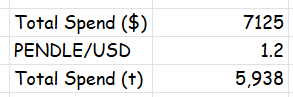
6,000 PENDLE/week which is <10% of our weekly budget
Infinite liquidity depth coming SOON https://t.co/hyHmcb8uEe
LongHash Ventures pushes next-gen AMMs beyond gas hogs, into appchain-optimized realms. Myersonian models guide monopolist providers, maximizing reserves against oracle feeds. Stochastic picks for concentrations? They forecast divergence losses, letting LPs pivot pre-swing. This technical arsenal, fused with our services, turns liquidity deserts into oases. New L3 teams: skip the stumble, deploy these dynamics day one. Swing with the flow, build unbreakable depth.