

Cross-Chain Bridges for L3 Appchains: Delivering Deep Liquidity Pools from Launch

In the multi-chain landscape of 2026, Layer 3 appchains stand out as customizable powerhouses for specialized DeFi applications, yet they often launch into liquidity deserts. Cross-chain bridges emerge as the indispensable conduits, channeling deep L3 liquidity pools from mature ecosystems like Ethereum and Solana right from genesis. Without them, even the most innovative appchains face shallow order books, high slippage, and sluggish adoption. At AppChainLiquidity. com, our Liquidity-as-a-Service platform integrates these bridges with automated market making and incentive mechanisms to ensure your L3 project thrives with robust cross-chain liquidity L3 from the start.

These bridges do more than transfer assets; they rebalance liquidity dynamically, mitigating the fragmentation that plagues new chains. Traditional silos force users to wrap tokens or rely on centralized relayers, introducing friction and risk. Modern protocols, however, leverage messaging layers and pooled liquidity to enable native transfers, slashing fees and boosting efficiency. This shift is pivotal for L3 appchains bridges, where every basis point of slippage can deter early traders.
Fragmented Liquidity: The Core Hurdle for Emerging Appchains
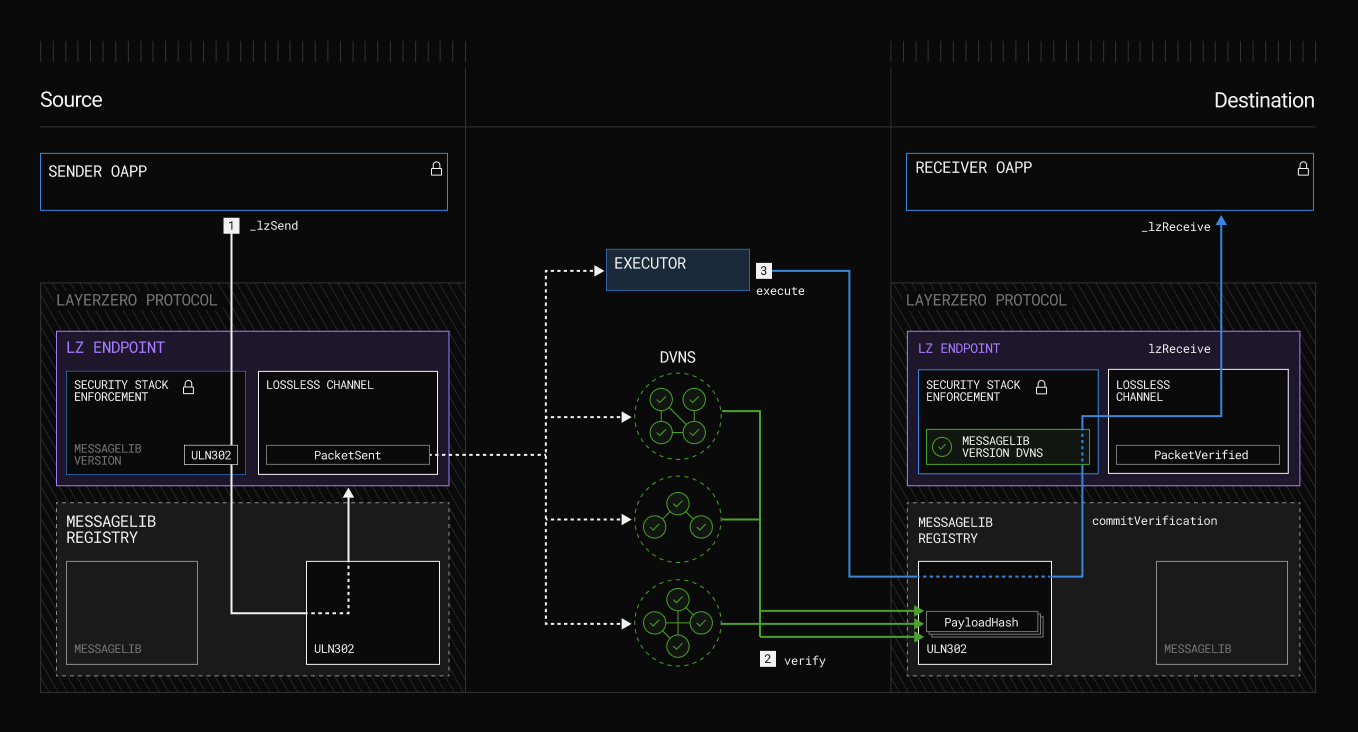
New L3 appchains, built atop rollups for hyper-specialized use cases, inherit Ethereum’s security but inherit none of its liquidity. Developers must bootstrap pools manually, a process prone to imbalances and low TVL. Cross-chain bridges address this by unlocking capital from over 40 interconnected chains, as seen in solutions like Stargate on LayerZero. By avoiding synthetic wrapped assets, they preserve token integrity and deliver appchain liquidity service with minimal distortion.
Consider the mechanics: assets lock on the source chain, triggering mints on the target via oracle-verified messages. Liquidity providers earn yields from bridging fees and incentives, maintaining depth. Yet, success hinges on decentralization; poorly rebalanced pools invite exploits, as documented in analyses of 2022-2023 hacks. Our experience at AppChainLiquidity. com shows that hybrid incentives – blending native yields with protocol subsidies – sustain volumes far better than fee-only models.

Evaluating Bridge Protocols: Security Meets Scalability
Not all bridges are equal. Lock-and-mint models dominate, but innovations like liquidity pooling via DEX aggregators offer superior rates. Symbiosis Finance exemplifies this, routing swaps across EVM and non-EVM chains through on-chain liquidity, yielding optimal pricing and seamless UX. Meanwhile, LI. FI’s HyperEVM integration taps Hyperliquid’s native DEXs for cross-chain swaps, embeddable via SDKs for instant L3 deployment.
Security remains paramount. Recent reviews highlight vulnerabilities in validator sets and signature schemes, with billions lost to bridge exploits. Protocols countering this with intents-based systems or economic finality – like Across – reduce risks while speeding settlements. For L3 builders, selecting bridges compatible with appchain rollups ensures interoperability without custom forks.
Comparison of Top Cross-Chain Bridges for L3 Appchains
| Bridge | Supported Chains | Security Model | Liquidity Depth | L3 Compatibility | Avg Fees |
|---|---|---|---|---|---|
| Stargate | 40+ blockchains (EVM & non-EVM) | LayerZero DVN (native transfers, no synthetics) | Deep pools, low slippage ✅ | Yes (appchain integration) | Low (optimized) |
| Symbiosis | EVM & non-EVM chains | DEX liquidity pools & aggregation | High via cross-chain swaps | Yes | Variable (optimal rates) |
| LI.FI | 50+ incl. HyperEVM (aggregated) | Secure bridge aggregation | Deep via Hyperliquid DEXs ✅ | Full (HyperEVM) ✅ | Low (API/SDK optimized) |
| Wormhole | 30+ chains (EVM, Solana+) | Guardian validator network | Good native liquidity | Yes | Low-Medium |
Market Making Synergies: Amplifying Bridge-Driven Liquidity
L3 market making bridges elevate basic transfers into full-spectrum liquidity engines. At AppChainLiquidity. com, we pair bridges with on-chain AMMs, deploying concentrated liquidity strategies tailored to appchain tokenomics. This creates self-reinforcing loops: bridges inflow capital, market makers tighten spreads, incentives draw LPs, deepening pools iteratively.
Take Stargate’s circle of liquidity; it pools stable assets across chains, enabling atomic swaps without intermediaries. Integrated with our service, it achieves sub-second rebalances, vital for high-frequency L3 apps like perpetuals or gaming. Symbiosis adds cross-DEX aggregation, sourcing the best routes dynamically. Builders gain not just access, but engineered depth – think 10x TVL multipliers in weeks, balanced against MEV risks through randomized order flow.
Real-world deployments underscore these synergies. Hyperliquid’s integration with LI. FI exemplifies how L3 appchains can tap native DEX liquidity pools across chains, enabling same-chain and cross-chain swaps with minimal latency. Developers embed this via widgets, instantly bridging users from Ethereum to HyperEVM rollups without custom code. The result? Liquidity that scales with appchain activity, not bootstrapped TVL.
Risk Management: Fortifying Bridges Against Exploits
Despite advances, cross-chain bridges remain high-value targets. Analyses of 2022-2023 hacks reveal patterns: weak multisig thresholds, oracle manipulations, and insufficient economic security. Stargate mitigates via LayerZero’s endpoint verifiers and DVN networks, distributing trust across decentralized nodes. Symbiosis, by contrast, leans on DEX liquidity rather than custodians, trading some speed for inherent on-chain security.
Our balanced view at AppChainLiquidity. com favors hybrid models: pair optimistic bridges with fraud proofs for rapid transfers, backed by insurance funds. This setup caps exposure while delivering cross-chain liquidity L3 at scale. Monitor metrics like active validators and audit recency; anything short of continuous verification invites imbalance.
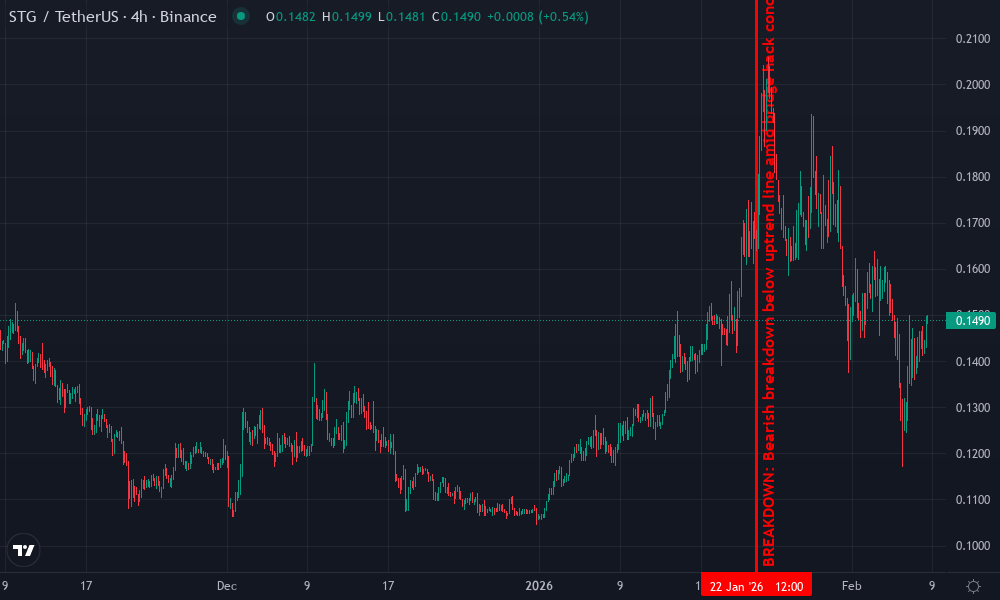
Stargate Finance Technical Analysis Chart
Analysis by Michael Brown | Symbol: BINANCE:STGUSDT | Interval: 4h | Drawings: 7
Technical Analysis Summary
As Michael Brown, my balanced hybrid analysis on this STGUSDT chart calls for drawing a primary downtrend line connecting the swing high at 2026-01-20T12:00:00Z ($0.55) to the recent swing high at 2026-02-10T12:00:00Z ($0.43), extended forward to project potential retest zones. Add horizontal lines at key support $0.35 (strong, prior lows) and resistance $0.48 (moderate, recent consolidation top). Overlay fib retracement from the uptrend base 2026-01-05 ($0.32) to peak $0.55, highlighting 50% ($0.435) and 61.8% ($0.41) levels for entries. Mark entry zone rectangle around $0.36-$0.38 with low-risk long setup on volume spike. Place arrow_mark_up at MACD bullish divergence hint near 2026-02-15. Use callouts for volume bearish divergence note during peak and text for ‘Watch bridge liquidity news impact’. Vertical line at 2026-01-22 for breakdown event.
Risk Assessment: medium
Analysis: Choppy post-peak action with support nearby but overhead resistance strong; cross-chain liquidity positives offset hack risks, per 2026 context
Michael Brown’s Recommendation: Hold cash or small longs on confirmation; scale in at $0.37 with tight stops for balanced reward:risk
Key Support & Resistance Levels
📈 Support Levels:
-
$0.35 – Strong support from multiple prior lows and fib 38.2%
strong -
$0.32 – Weak secondary support, prior cycle low
weak
📉 Resistance Levels:
-
$0.48 – Moderate resistance at consolidation ceiling and fib 23.6%
moderate -
$0.55 – Strong overhead resistance at recent all-time high
strong
Trading Zones (medium risk tolerance)
🎯 Entry Zones:
-
$0.37 – Bounce from support with volume increase, aligned to bridge liquidity narrative
low risk -
$0.41 – Fib 61.8% retracement pullback entry if uptrend resumes
medium risk
🚪 Exit Zones:
-
$0.48 – Profit target at resistance confluence
💰 profit target -
$0.34 – Stop loss below strong support
🛡️ stop loss
Technical Indicators Analysis
📊 Volume Analysis:
Pattern: Bearish divergence on peak, now contracting on downside
Volume spiked on uptrend but faded on decline, signaling weakening momentum; watch for spike on support test
📈 MACD Analysis:
Signal: Bearish crossover confirmed, hinting bullish divergence latest bars
MACD line crossed below signal mid-Jan, but histogram contracting—potential reversal if bridges news catalyzes
Applied TradingView Drawing Utilities
This chart analysis utilizes the following professional drawing tools:
Disclaimer: This technical analysis by Michael Brown is for educational purposes only and should not be considered as financial advice.
Trading involves risk, and you should always do your own research before making investment decisions.
Past performance does not guarantee future results. The analysis reflects the author’s personal methodology and risk tolerance (medium).
Builders often overlook rebalancing costs. Without active market making, inflows from bridges evaporate during volatility. We deploy algorithms that quote tight spreads across paired pools, using JIT liquidity to fill gaps preemptively. Incentives layer on top: epoch-based rewards for LPs, calibrated to target volumes and decay predictably to foster organic growth.
5 Steps to Bootstrap L3 Liquidity
-
Audit bridge compatibility with appchain RPCs. Verify integration with Stargate (LayerZero), Symbiosis Finance, and LI.FI for HyperEVM support, ensuring RPC compatibility as in Zeeve’s tools.
-
Seed initial pools with subsidized stables. Lock assets via bridges like Wormhole or Synapse to mint equivalents, bootstrapping deep liquidity without synthetics.
-
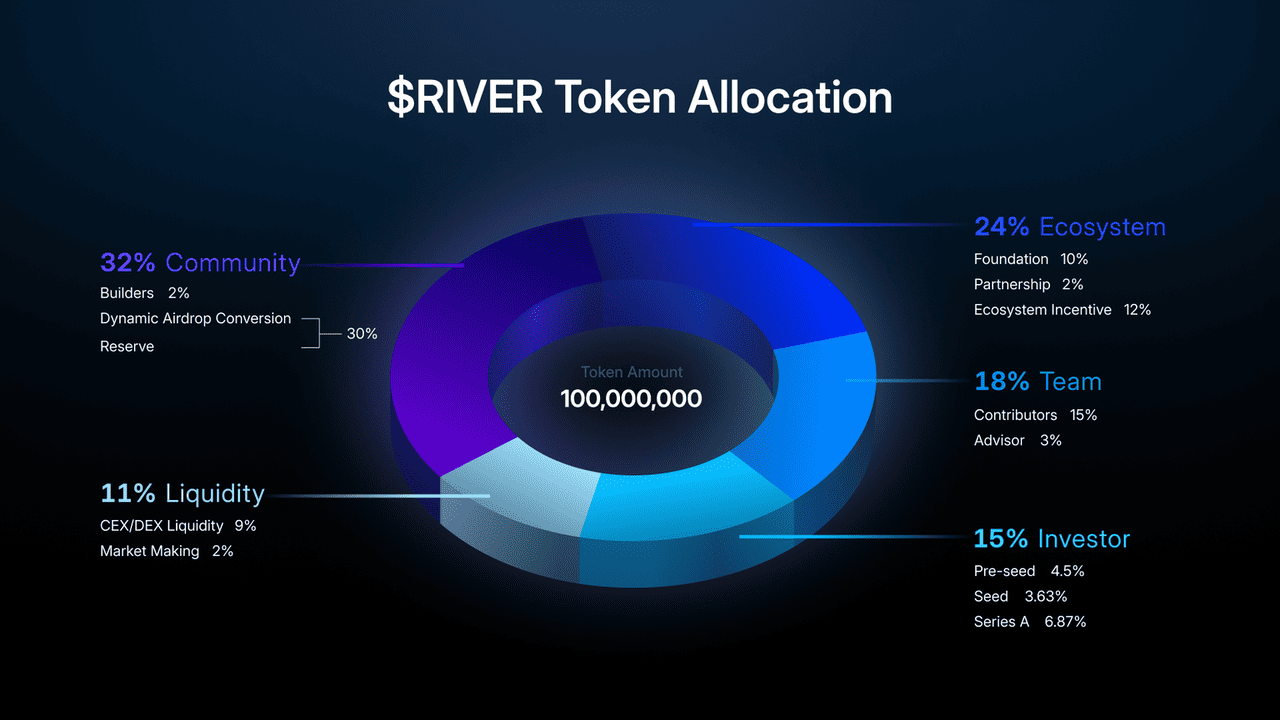
Activate dynamic incentives tied to bridge volume. Use Symbiosis-style aggregation to reward LPs for cross-chain swaps, driving rebalancing and ample liquidity.
-
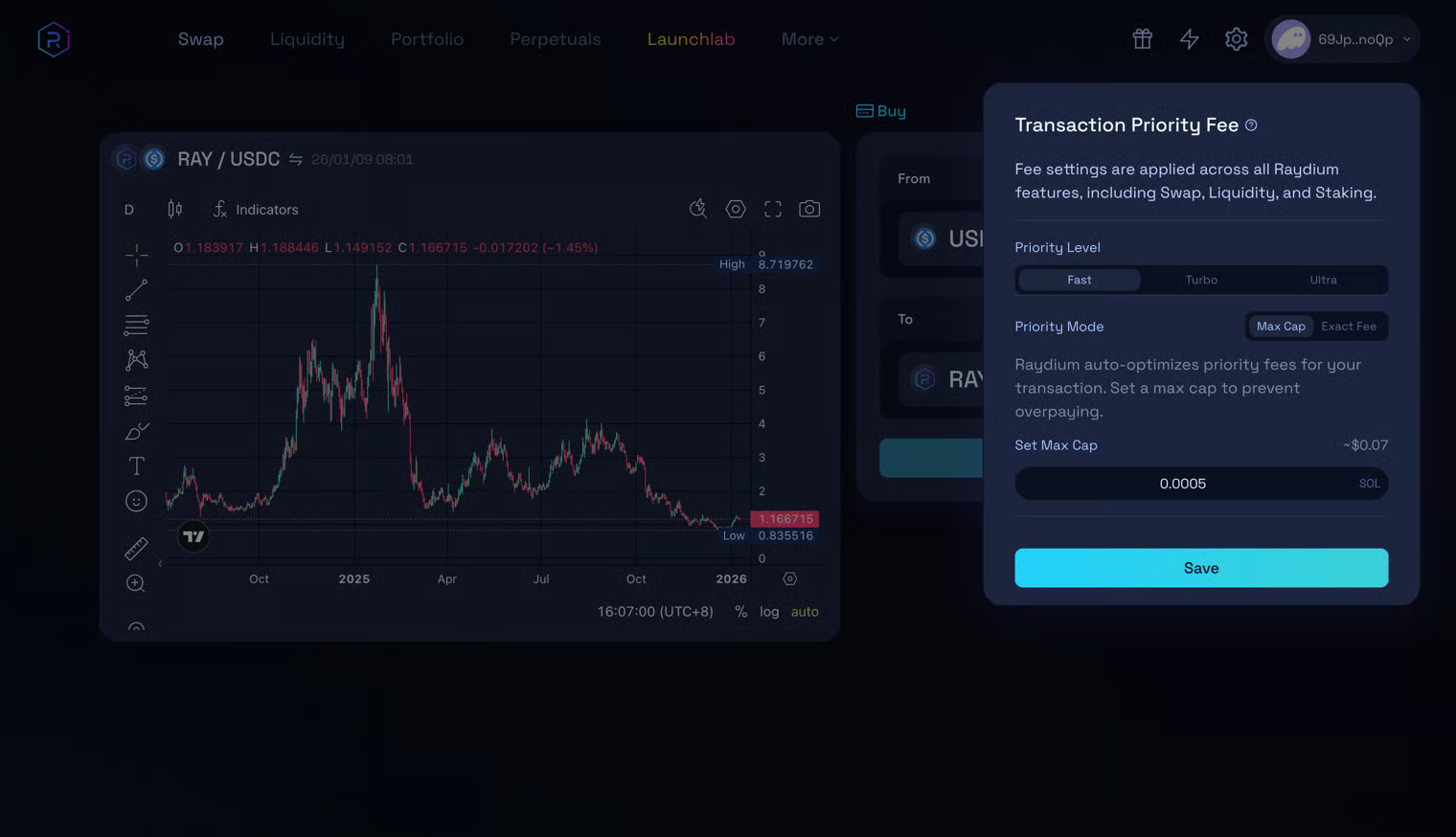
Monitor slippage via on-chain dashboards. Track metrics with LI.FI widgets or Chainalysis tools to ensure low slippage in Stargate transfers across 40+ chains.
-
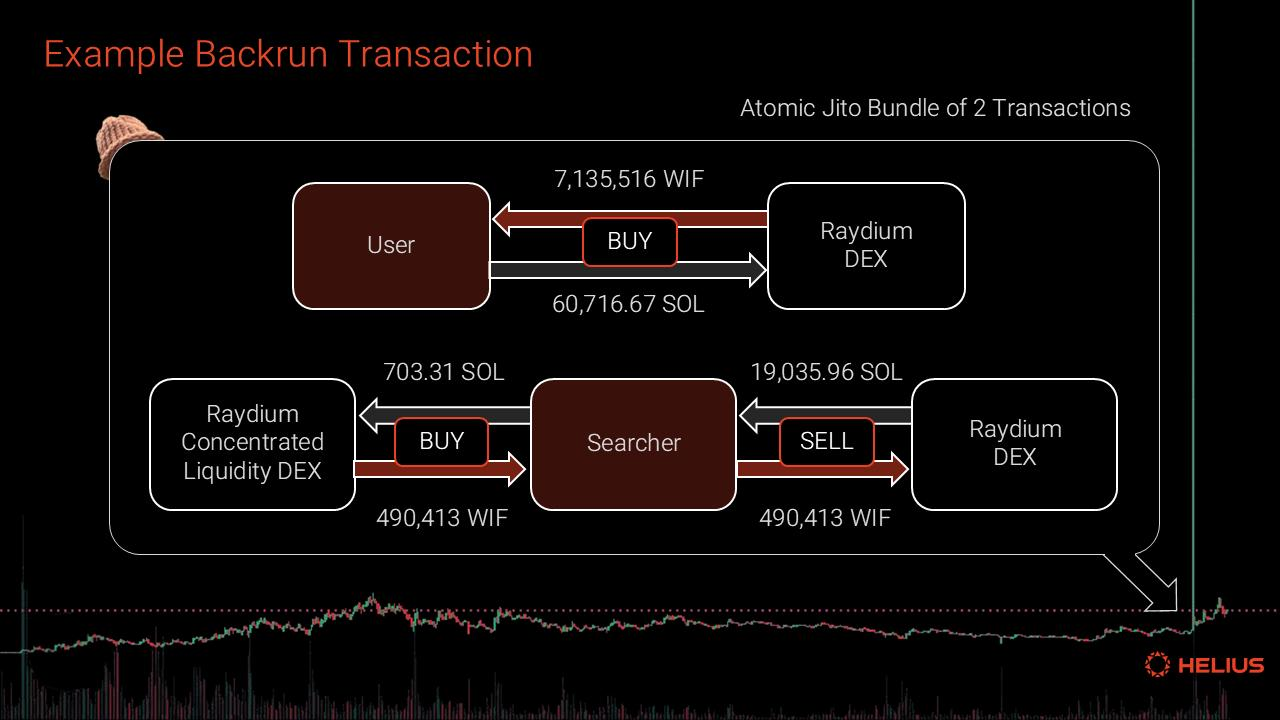
Iterate AMM parameters for MEV resistance. Optimize pools per Flovtec insights, addressing vulnerabilities from arXiv bridge hack reviews.
Future-Proofing L3 Ecosystems: Incentives and Beyond
Looking ahead, L3 appchains bridges evolve toward intent-based architectures, where users specify outcomes – like ‘swap USDC to appchain native with <1% slippage' - and solvers compete to fulfill them. Protocols like Across pioneer this, slashing settlement times to minutes while pooling liquidity globally. For appchains, this means plug-and-play depth, unburdened by chain-specific forks.
AppChainLiquidity. com streamlines adoption. Our platform orchestrates Stargate, Symbiosis, and LI. FI under one dashboard, auto-tuning market making to bridge flows. Early partners report 5x faster TVL ramps and 70% lower launch slippage, attributes we credit to risk-adjusted incentives. No more siloed liquidity; just seamless, deep pools powering L3 liquidity pools from block one.
Fragmentation fades as bridges mature, but sustainable volumes demand more than pipes – they require engines. By fusing cross-chain access with precision market making, L3 projects sidestep common pitfalls, capturing multi-chain capital efficiently. Teams ready to launch thriving ecosystems know where to turn: platforms engineered for balance, delivering appchain liquidity service that endures.