

As decentralized finance matures into 2026, custom L3 appchains stand at the forefront of scaling solutions, offering developers unprecedented control over application-specific blockchains layered atop proven L2 infrastructures. These chains address the scalability bottlenecks that have long plagued DeFi, enabling faster transactions, lower costs, and optimized execution environments tailored to protocols like perpetual exchanges or high-frequency trading bots. Yet, their success hinges on two pillars: streamlined deployment via Launch-as-a-Service (LaaS) platforms and robust secure L3 bridges for cross-chain interoperability. From my vantage point advising DeFi teams, I've seen how neglecting these elements fragments liquidity and stifles adoption.
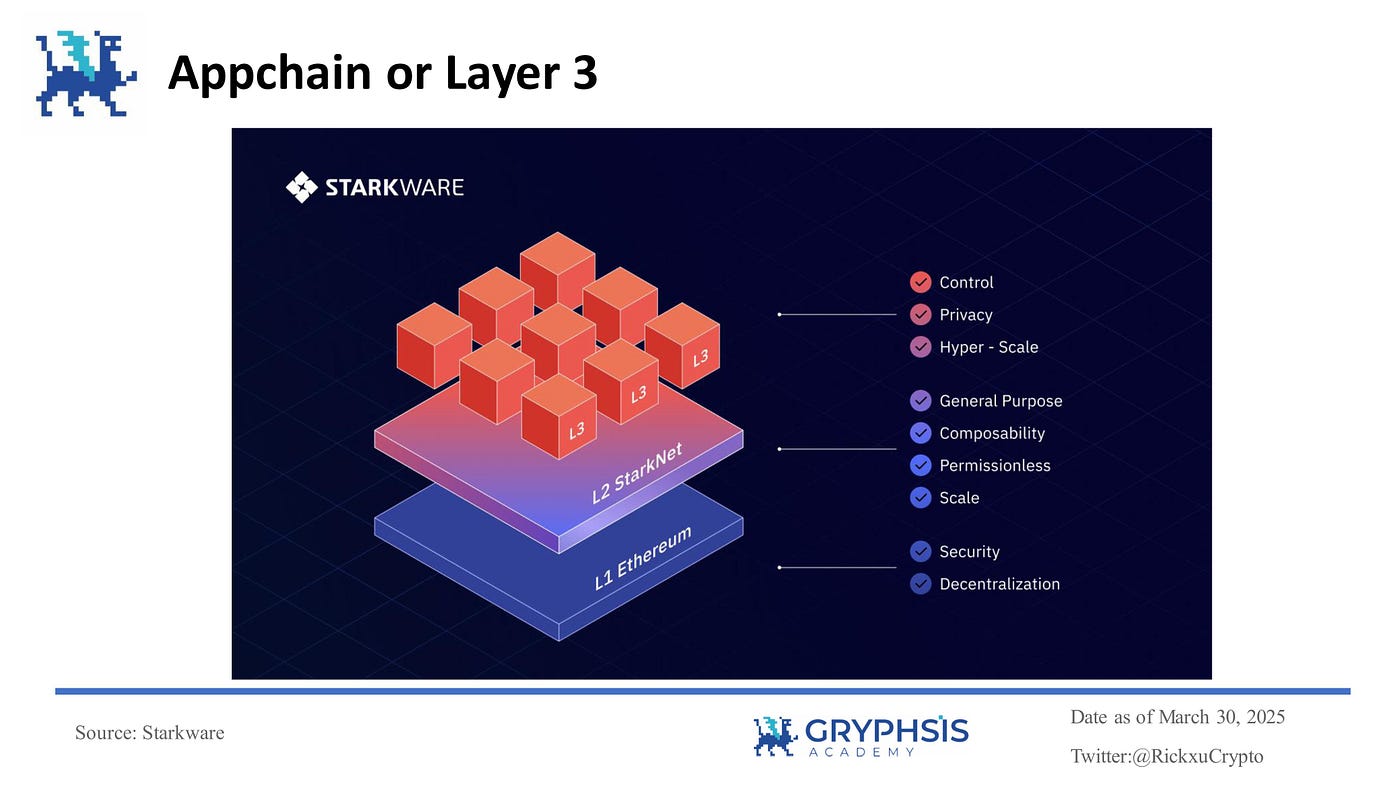
Layer-3 protocols have quietly become DeFi's default infrastructure, powering liquidity, scalability, and seamless on-chain experiences, as recent analyses underscore. Institutions are now embracing on-chain liquidity integration, with discussions from Talos Trading and Uniswap Labs revealing a shift toward best execution across chains. This evolution mirrors SaaS and fintech playbooks, where unbundling yields specialized tools rebundled for efficiency. For performance-critical DeFi, appchains deliver the execution layer it deserves, surpassing prior metrics in speed, liquidity depth, and trading pairs.
Custom L3 Appchains: Tailored Infrastructure for DeFi Ambitions
At their core, L3 appchains are blockchains built on L2s for specific dApps, granting developers sovereignty over consensus, gas economics, and state management. This modularity counters the composability trade-offs of monolithic L1s or congested L2s. Consider gaming ecosystems or niche DeFi verticals: a dedicated L3 can process thousands of TPS with sub-cent fees, fostering user retention without subsidizing unrelated traffic.
However, fragmentation poses risks. Each appchain risks isolating liquidity, eroding composability unless bridged thoughtfully. Cross-chain messaging and shared liquidity solutions become vital, as appchains reshape crypto scenarios through RaaS providers enabling multi-chain DeFi interactions. My experience bootstrapping L3 liquidity pools emphasizes sustainable incentives over fleeting airdrops; deep pools from day one minimize slippage and attract sophisticated traders.
LaaS Platforms Revolutionizing L3 Deployment
Launching a custom L3 appchain once demanded expertise in node orchestration, data availability, and security audits. Enter LaaS providers, democratizing this process with enterprise-grade tools. Kaleido excels in rapid deployments on Polygon Supernets or Avalanche Subnets, bundling customization, scalability, and support into a cohesive platform. Zeeve complements this with production-ready rollups and appchains, offering dedicated nodes, staking, and indexing for swift launches across stacks.
Chainstack targets Starknet Appchains, prioritizing privacy and security via intuitive interfaces. These platforms mitigate infrastructure costs that deter builders, providing the scaffolding for L3 DeFi scaling. In practice, teams I've advised cut deployment timelines from months to weeks, redirecting focus to protocol innovation. Yet, LaaS alone falls short without liquidity bootstrapping strategies; custom L3 appchains LaaS must integrate market-making from inception.
- Enterprise infrastructure for sovereign chains
- Automated node management and staking services
- Built-in data indexing for dApp composability
Secure L3 Bridges: The Interoperability Lifeline
No L3 thrives in isolation. Secure L3 bridges unlock capital from L1s and L2s, enabling fluid asset transfers essential for L3 liquidity bootstrapping. Rhino. fi's Bridge-as-a-Service (BaaS) shines here, delivering stablecoin liquidity with instant UX via efficient routing and proprietary solvers. This ensures rapid deposits without the delays plaguing traditional bridges.
Tanssi Network elevates this further, supplying appchains with block production, data availability, cross-chain messaging, and external bridges through ContainerChains. These integrations foster true composability, allowing DeFi protocols to source liquidity across appchains seamlessly. Bridges remain a vulnerability hotspot, demanding light-client verification and economic security. I've stressed to clients that audited, battle-tested bridges paired with insured liquidity pools form the bedrock of resilient L3 ecosystems.
Challenges persist: atomic composability lags, introducing messaging latencies, while bridge exploits underscore the need for diversified security models. Developers must weigh these against L3 gains in customization and control.
Addressing these hurdles requires a holistic approach, where L3 liquidity bootstrapping emerges as the linchpin. Without deep, efficient pools from launch, even the most optimized appchain risks shallow markets and high slippage, deterring traders who demand institutional-grade execution. Platforms like AppChainLiquidity. com step in with Liquidity-as-a-Service (LaaS), fusing deployment ease with automated market making and incentive layers tailored for custom L3 appchains.
L3 Liquidity Bootstrapping: From Fragmentation to Fluid Markets
Fragmented liquidity plagues appchains, as each isolates capital and undermines composability. RaaS and LaaS providers reshape this by enabling protocols that aggregate liquidity across networks, but true scaling demands proactive strategies. I've guided teams to deploy hybrid incentives: ve-token models blended with protocol-owned liquidity, ensuring alignment between users, liquidity providers, and developers. Cross-chain bridges amplify this, channeling assets from Ethereum L2s into L3 pools without the friction of manual migrations.
In my advisory work, we prioritize secure L3 bridges with multi-signature thresholds and timelock escapes, coupled with oracle-secured pricing for minimal MEV exposure. Rhino. fi's solver-driven BaaS exemplifies efficiency, reconciling deposits in seconds, while Tanssi's messaging protocols bridge the composability gap. Yet, liquidity isn't just about transfers; it's engineered depth. Automated market makers tuned for L3 gas dynamics, paired with dynamic fees, sustain pools through volatility.
Key L3 Liquidity Bootstrapping Strategies
- Automated Market Making: Integrate AMMs like Uniswap protocols on L3 appchains for efficient, on-chain liquidity provision, as highlighted in Talos Trading's DeFi insights.
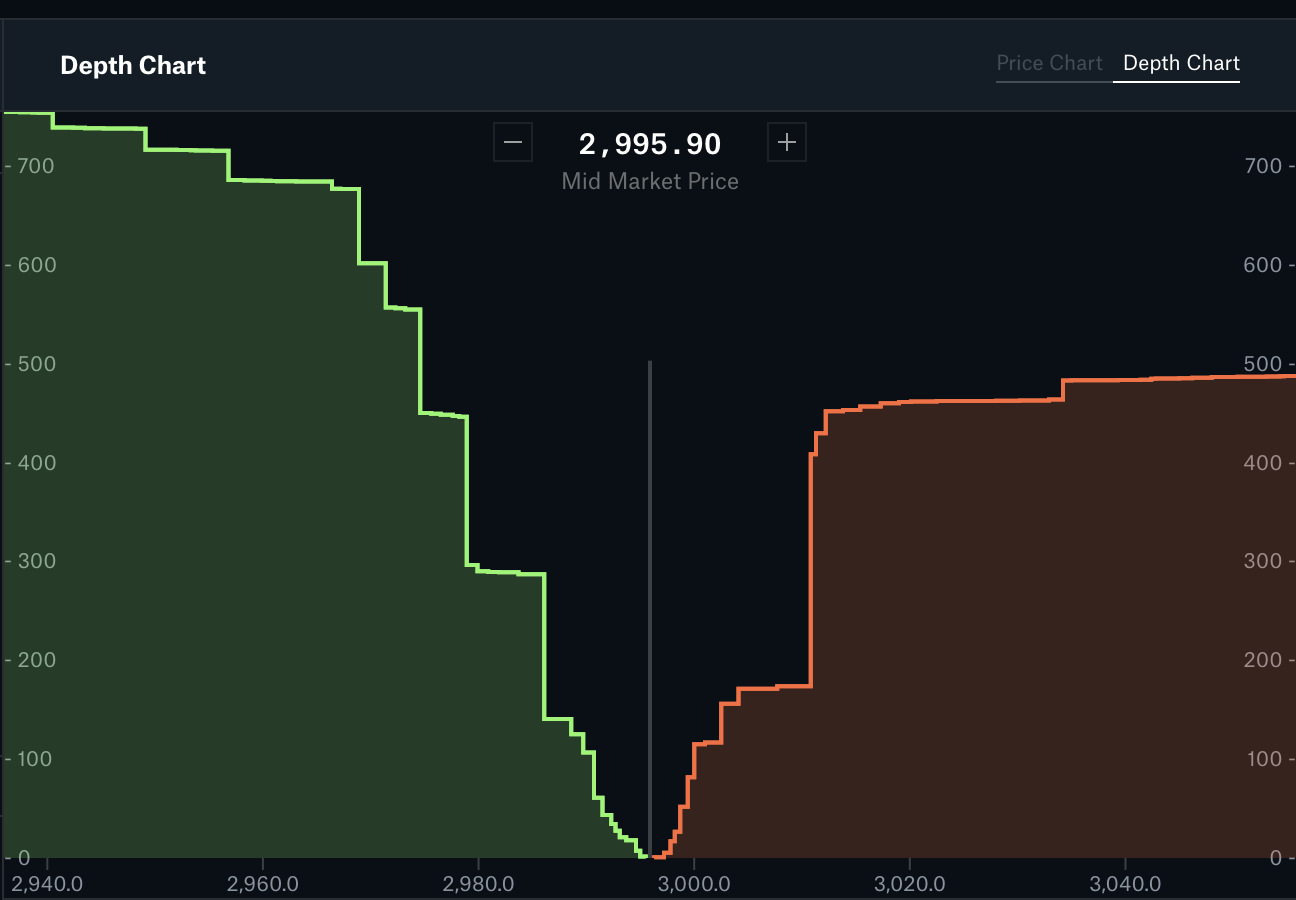
- Incentive Mechanisms: Deploy liquidity mining and token rewards to bootstrap participation, mirroring strategies in evolving DeFi playbooks from Ark Invest.

- Bridge Integrations: Use secure solutions like Rhino.fi BaaS and Tanssi Network to inflow liquidity from L1/L2, enhancing interoperability.

- Risk-Managed Pools: Design pools with hedging and dynamic adjustments to mitigate bridging risks and fragmentation, per Alliance.xyz analyses.
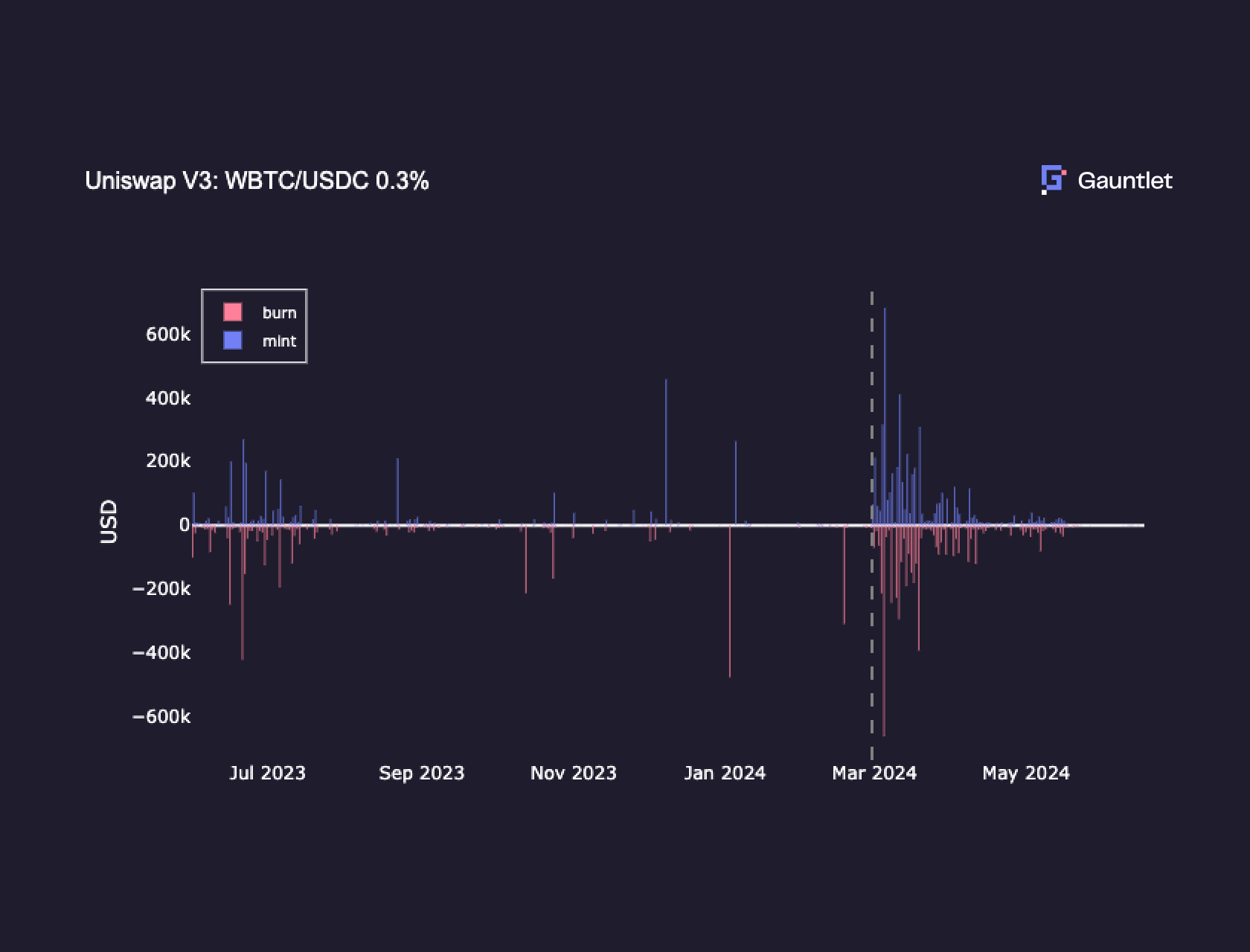
Modular architectures like those from Mitosis further adapt, supplying liquidity infrastructure that evolves with appchains. Layer 3 now serves as DeFi's execution layer, excelling in speed and pairs, but only if liquidity flows unimpeded. Developers sourcing from multiple appchains via unified interfaces unlock gaming assets and DeFi primitives alike, mirroring fintech's rebundling ethos.
Overcoming Challenges with Risk-Managed LaaS
Infrastructure costs and support gaps remain barriers, as Sonic Labs founders note with L2s-as-appchains. LaaS counters by absorbing these, yet my counsel stresses due diligence: audit bridge code rigorously, diversify data availability layers, and model economic attacks. Composability evolves through intents-based solvers and shared sequencers, reducing latency to near-atomic levels.
Opinionated take: pure sovereignty tempts, but interconnected L3s prevail. I've seen isolated chains fade; those bridged thoughtfully thrive. AppChainLiquidity. com embodies this, offering LaaS bundles with market making from day one, optimizing capital efficiency in multi-chain worlds. Teams launch with minimal slippage, drawing institutions per Talos insights on on-chain best execution.
Performance-critical DeFi demands appchains, bolstered by bridges and messaging for cross-network composability. As 2026 unfolds, L3 DeFi scaling accelerates, with LaaS platforms like Kaleido, Zeeve, and Chainstack paving deployment paths, while liquidity services ensure vibrancy.
Forward-thinking builders integrate these now, crafting ecosystems where customization meets capital efficiency. Liquidity, that lifeblood of adoption, pulses through secure, scalable L3 veins, propelling DeFi toward its modular destiny.



No comments yet. Be the first to share your thoughts!