

Launching a Layer 3 appchain demands more than solid code and visionary architecture; it hinges on instant liquidity to fuel adoption. Without deep pools from day one, even the most innovative L3 ecosystems falter amid slippage and fragmented trading. Enter Liquidity-as-a-Service (LaaS), the strategic backbone transforming L3 appchain liquidity challenges into competitive edges. Platforms like AppChainLiquidity. com pioneer this space, bundling efficient bridges, automated market making, and tailored incentives to deliver seamless scalability.

In the modular blockchain era, appchains shine by customizing execution for specific use cases, yet they inherit L1's liquidity maturity gap. Layer-1s enjoy battle-tested bridges enabling dApps to thrive across networks, as noted in recent Instanodes analysis. L3s, however, must bootstrap from scratch: bridging assets, attracting market makers, and sustaining depth. Traditional approaches falter here; centralized market makers introduce trust risks, while organic growth takes quarters, not days.
Navigating Fragmentation with Appchain Bridges and L3 Market Making
Liquidity as a service L3 flips this script by pre-engineering infrastructure. Consider algorithmic liquidity bootstrapping from ChainScore Labs: on-chain bonding curves supplant centralized makers, yielding transparent price discovery. Yet ALB alone skimps on cross-chain flows. LaaS integrates these with robust appchain bridges, slashing transfer times and costs. Zeeve's instant appchain deployments underscore the need, pairing builds with 24/7 monitoring, but true velocity demands liquidity layers.
Professional market making elevates this further. Blockchain App Factory highlights incentives like fee rebates and token drops for providers in multi-chain DEXs akin to Hyperliquid. LaaS operationalizes these at launch, deploying tiered maker-taker models that deepen pools organically. Xangle's highlights reveal how such mechanics amplify activity: native liquidity provision (NLP) ensures structural depth, while unified incentives retain makers long-term.
Layer 3 Liquidity Incentives That Stick
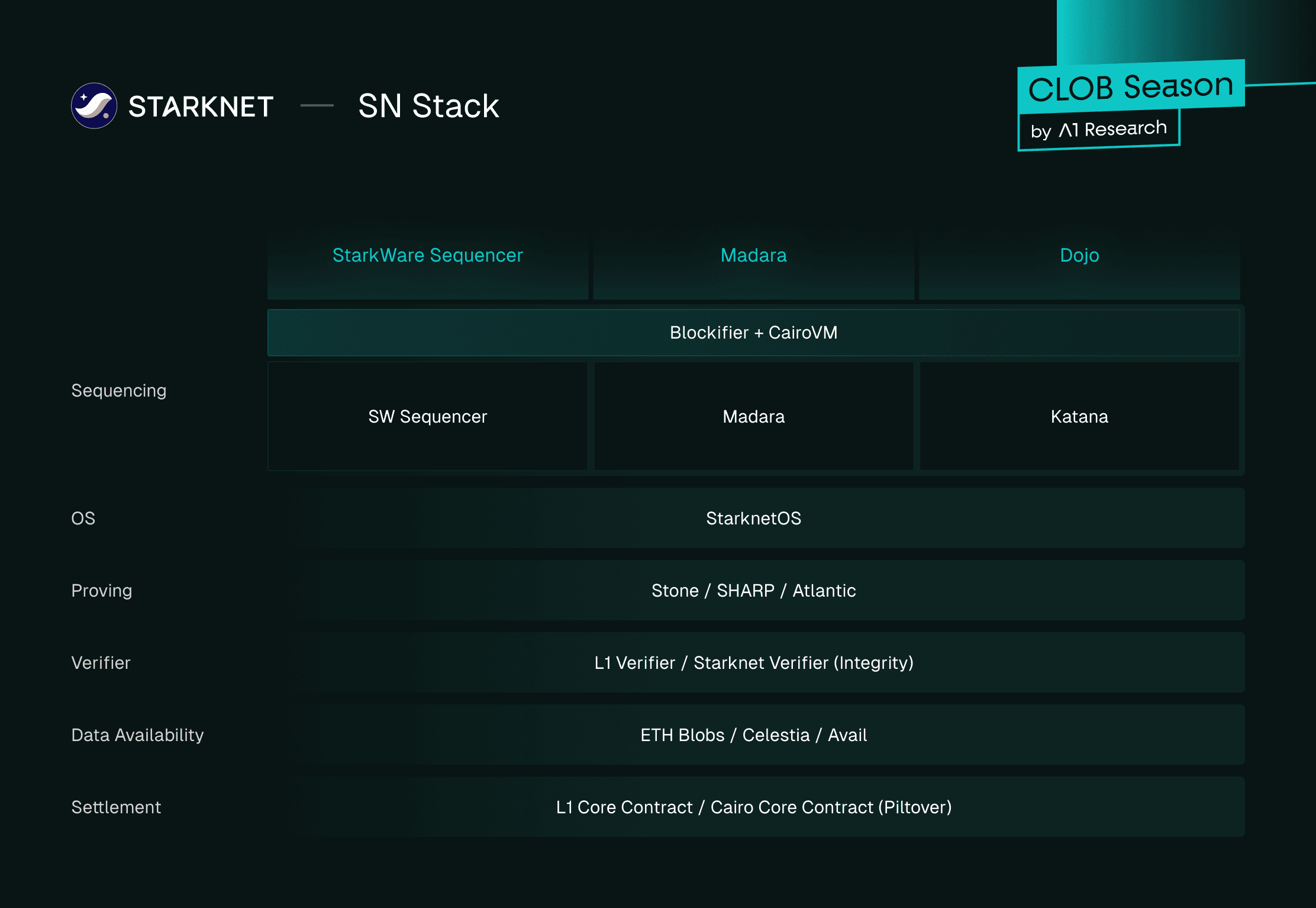
Incentive design separates fleeting hype from enduring ecosystems. Berachain's model, per Gate. com, lets apps bribe validators with native tokens, redirecting BGT rewards to boost liquidity. SYND allocates 7% of supply to similar pools, launching via incentivized testnets. Starknet's BTC Season extends staking into BTCFi bootstrapping, while ZKX earmarks 9% for exchange liquidity, blending gamification with maker rewards.
Core L3 Liquidity Incentives
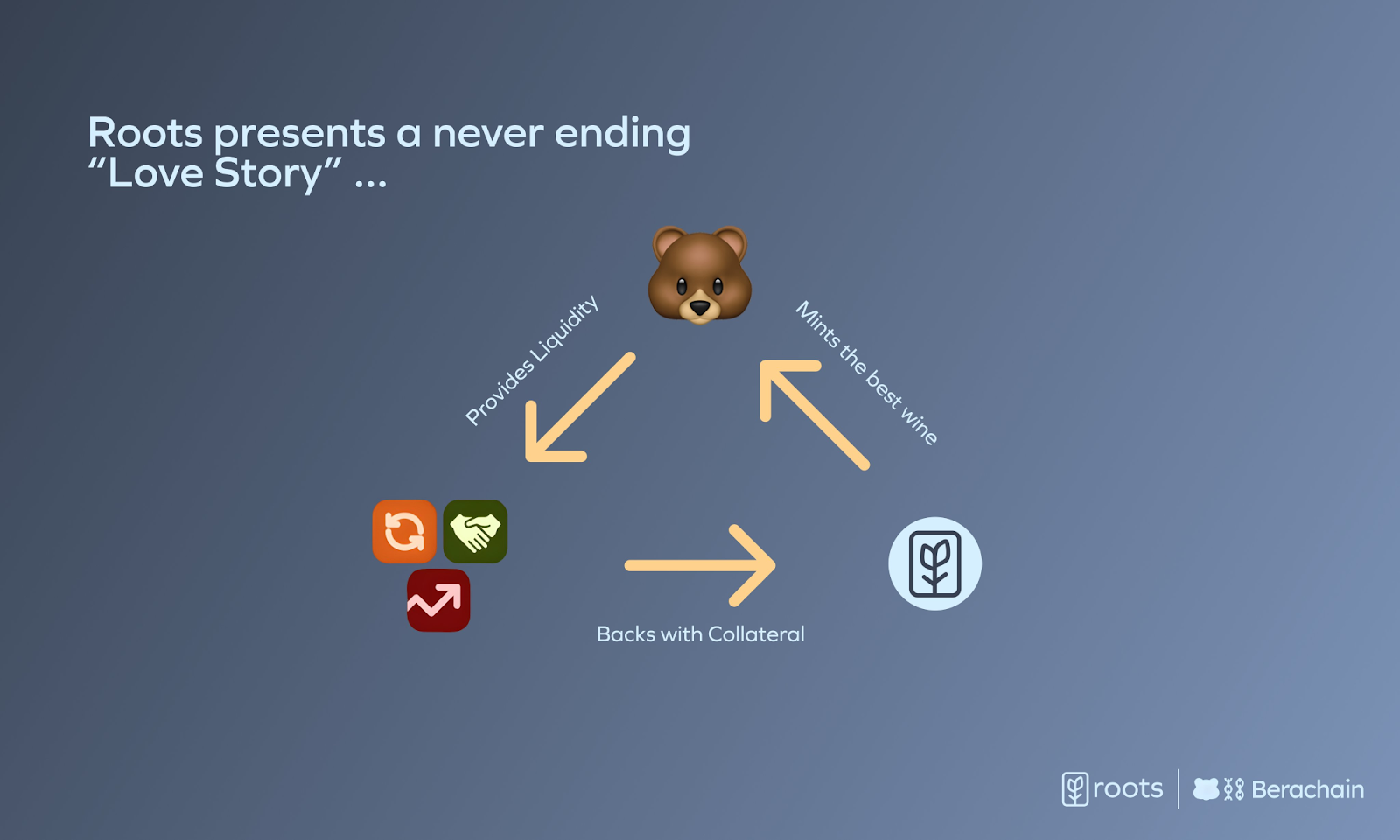
- Token Bribes for Validators: Apps on Berachain incentivize validators with native tokens to direct BGT rewards, boosting liquidity and security.
- Fee Rebates for Makers: Professional market makers receive fee rebates or negative maker fees, as in Hyperliquid-style perpetual DEXes on appchains.
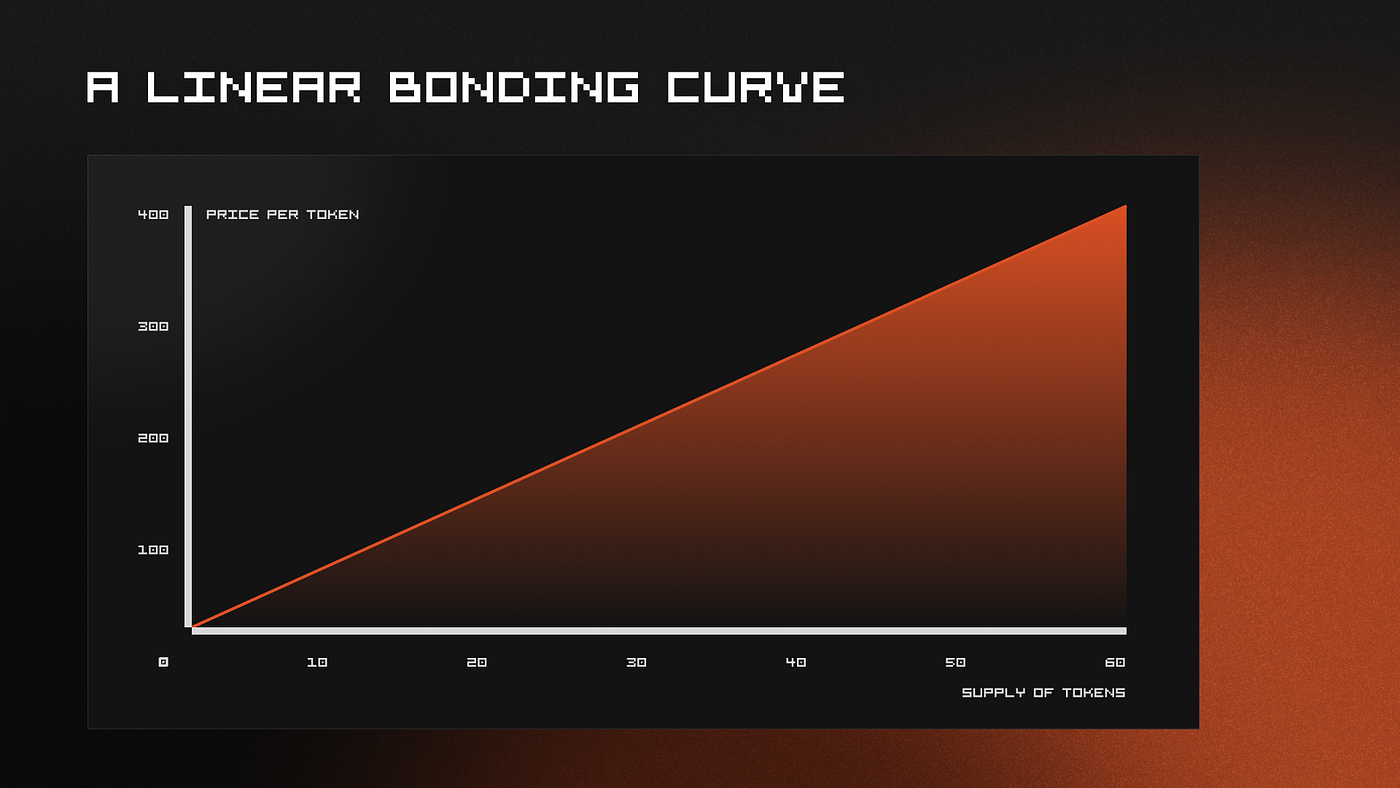
- Bonding Curves for Bootstrapping: Algorithmic Liquidity Bootstrapping (ALB) uses on-chain bonding curves for transparent, permissionless liquidity provision.
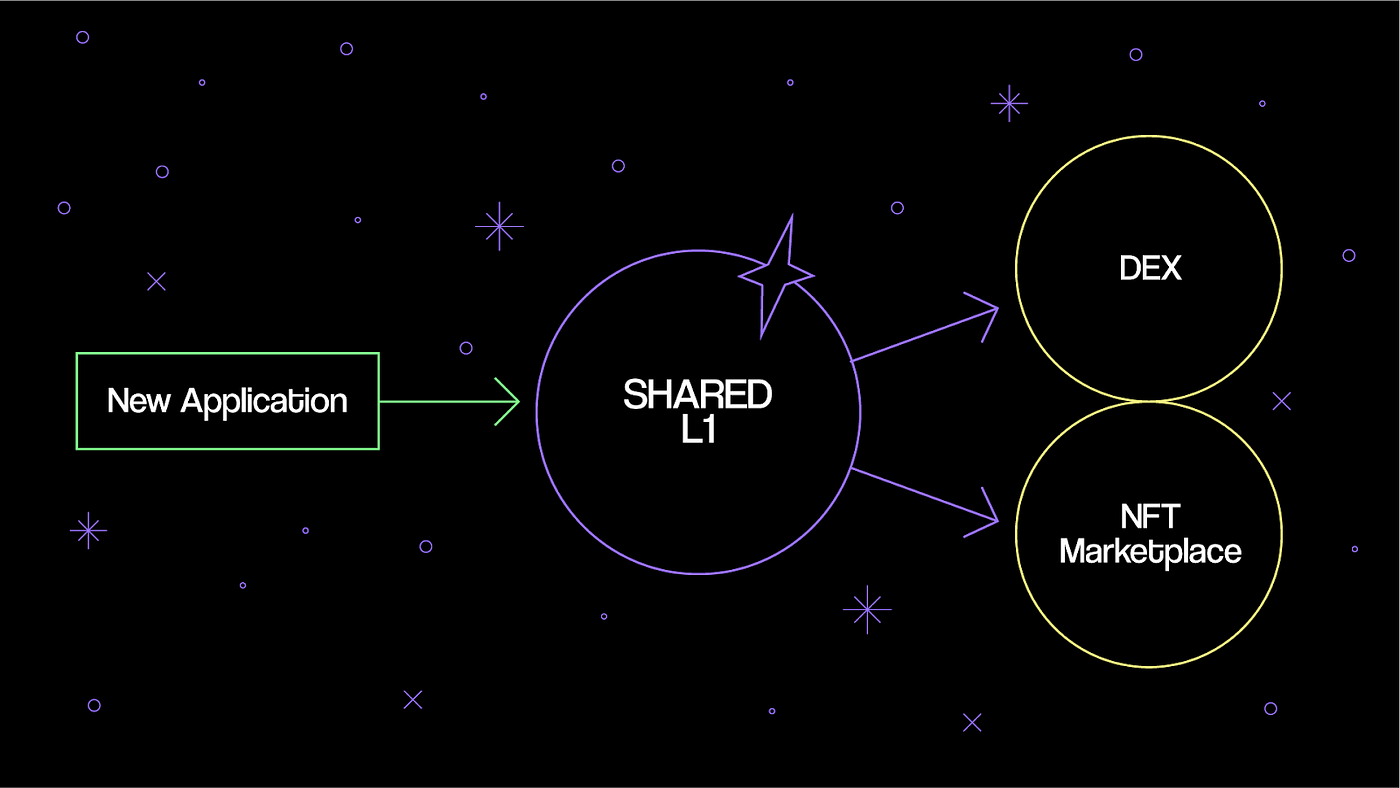
- Cross-Chain Reward Alignment: Solutions like Saga's LIL and LiquidChain L3 unify liquidity rewards across Bitcoin, Ethereum, and Solana ecosystems.
- Tiered Trading Rebates: Maker-taker tier models in platforms like Xangle and Paradex deepen liquidity through escalating incentives.
These aren't scattershot airdrops; they're engineered for retention, aligning providers with appchain TVL growth. Token Tool Hub warns that without pre-existing bases, appchains must nail liquidity bridging and wallet support. LaaS excels by simulating maturity: Saga's February 2025 Liquidity Integration Layer (LIL) unifies pools across chainlets, embedding rewards directly. Developers launch DeFi hubs with scalability intact, liquidity providers enticed by shared economics.
LaaS Pioneers Reshaping L3 Launches
SKALE's November 2025 Ethereum L3 on Base targets AI agents with gasless finality, tapping Base's liquidity reservoirs. LiquidChain's December rollout bridges Bitcoin, Ethereum, Solana seamlessly via $LIQUID staking. Tanssi's Symbiotic tie-up accelerates Ethereum appchains as AVSs, leveraging restaked security. Paradigm's Paradex on Starknet fuses institutional depth with DeFi custody, proving appchains scale perpetuals sans fragmentation.
Such innovations spotlight LaaS's edge: minimal slippage, optimized trading, rapid adoption. For teams eyeing custom L3s, this means day-one viability, not bootstrapping pains.
AppChainLiquidity. com stands at the vanguard, orchestrating these elements into a turnkey suite for L3 appchain liquidity. Our platform deploys custom appchain bridges that sync with Ethereum L2s and beyond, ensuring assets flow without the drag of fragmented silos. Automated market makers, tuned via proprietary algorithms, maintain tight spreads even under volatility spikes. This isn't mere plumbing; it's a liquidity flywheel, where initial incentives compound into self-sustaining depth.
Engineering Retention Through Layer 3 Liquidity Incentives
True mastery lies in incentives that bind, not beguile. Scatter token dumps erode value; strategic designs, however, tether providers to long-term TVL. Drawing from my 16 years crafting these mechanisms, I've seen Layer 3 liquidity incentives thrive when layered: validator bribes like Berachain's redirect emissions precisely, while tiered rebates, as in Hyperliquid clones, reward volume tiers with negative maker fees. ZKX's 9% allocation gamifies provision, turning traders into stakeholders. AppChainLiquidity. com refines this, allocating dynamic pools based on chainlet metrics - emissions scale with utilization, fostering organic growth over hype cycles.
Critically, L3 market making demands cross-chain alignment. Traditional appchains stumble here, per Token Tool Hub, lacking RPCs and pre-seeded users. LaaS counters with unified dashboards: monitor bridges, tweak bonding curves in real-time, and audit incentive flows. Saga's LIL exemplifies this unification, but we push further, integrating restaking via Symbiotic-like hooks for collateralized depth. LiquidChain's BTC-ETH-SOL spans majors; our bridges extend to emerging L3s, minimizing slippage to sub-10bps from launch.
Comparison of LaaS Platforms
| Provider | Key Bridges | Incentives (% supply) | Market Making Features | Launch Speed |
|---|---|---|---|---|
| Saga LIL | Multi-ecosystem 🌐 | Integrated LP rewards 📈 | Liquidity-centric model 💧🔗 | Rapid chainlet launches ⚡ |
| SKALE/Base | Base (Ethereum L2) 🔗 | Gasless support 🆓 | Gasless transactions 🆓, Instant finality ⏱️💧 | Fast deployment ⚡ |
| LiquidChain | Bitcoin, Ethereum, Solana 🌉 | Staking with $LIQUID 🪙 | Cross-chain streamlining 🔗💧 | Streamlined L3 ⚡🔗 |
| AppChainLiquidity.com | Custom AppChains 🚀 | Token incentives (7-9%) 📈 | Fee rebates, MM incentives 🤑💧 | Instant & seamless 🚀🆓 |
Developers report 5x faster adoption when liquidity precedes users. SKALE's AI focus leverages Base's reservoirs, yet bespoke appchains need tailored ammo. Tanssi's AVS deployments accelerate Ethereum nets, but without embedded makers, depth lags. Paradigm's Paradex proves perps demand institutional-grade provision; we deliver that via API-driven deployments, where teams specify slippage targets and watch bots optimize.
The Multi-Chain Imperative: Why LaaS Defines L3 Success
In a world of 100 and L1s bleeding into L3s, isolation kills. Modular stacks like Starknet demand liquidity sovereignty, yet interoperability reigns. Starknet's BTC Season bootstraps BTCFi, but sustained pools require LaaS scaffolding. We've engineered campaigns mirroring SYND's 7% incentives, yet adaptive: AI-driven allocation shifts rewards to underutilized pairs, curbing fragmentation.
Strategic L3 LaaS Launch Steps
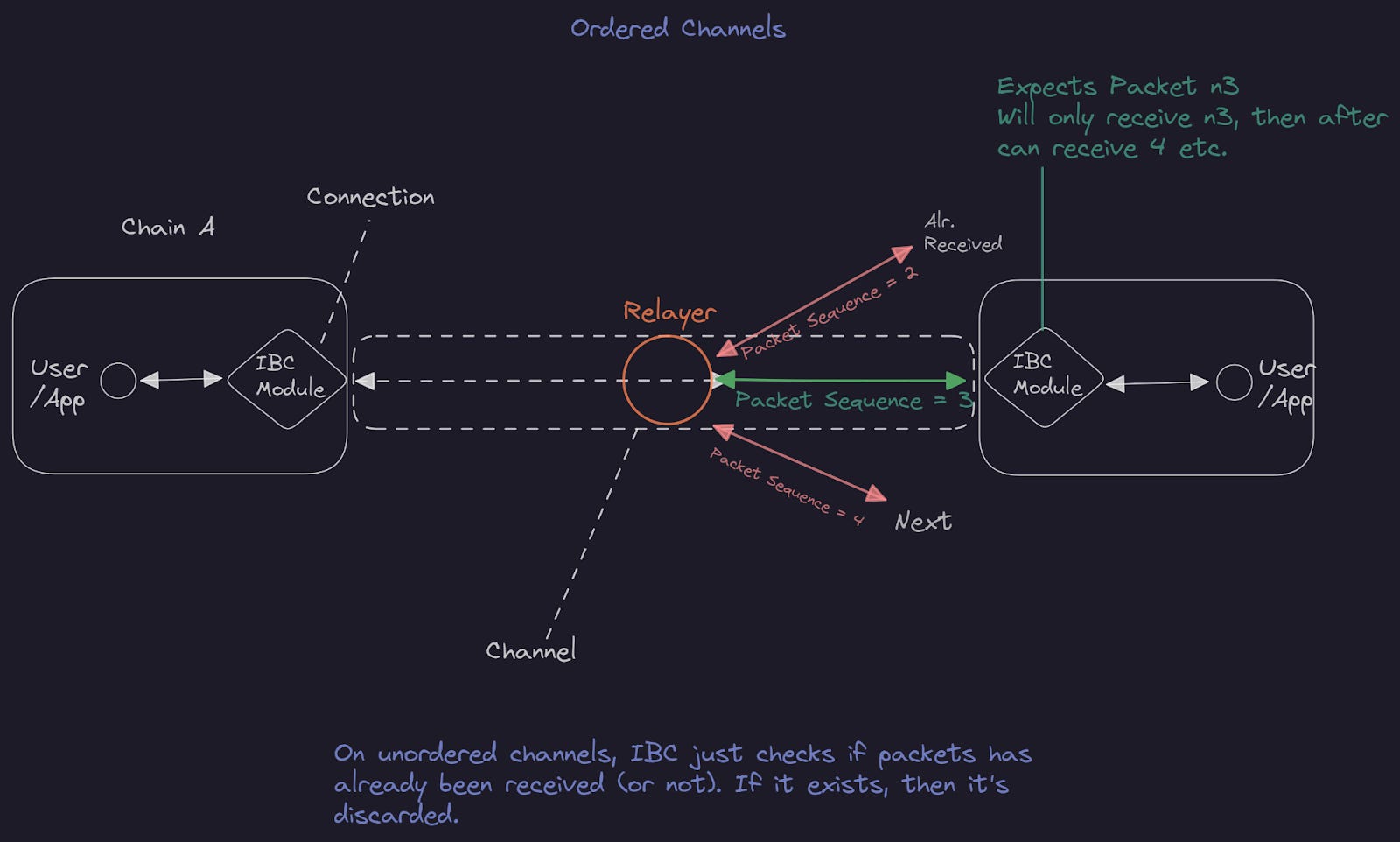
- 1. Assess chainlet specs: Evaluate specifications for L3 appchains using Saga's Liquidity Integration Layer (LIL), which unifies liquidity for chainlets across ecosystems, ensuring scalability and cost-efficiency.
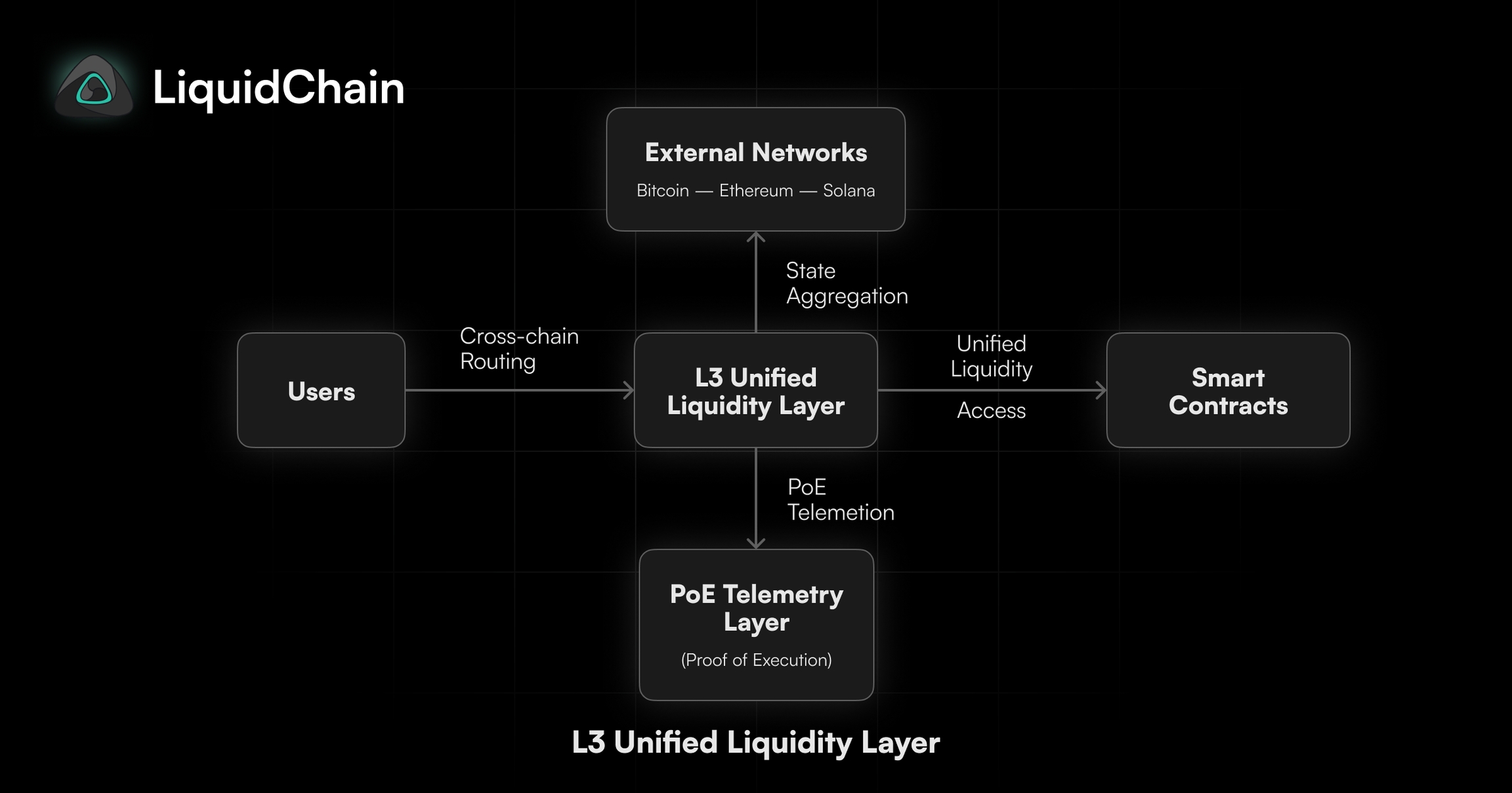
- 2. Deploy bridges and AMMs: Integrate cross-chain bridges and Automated Market Makers (AMMs) via LiquidChain's Layer-3 solution, streamlining liquidity between Bitcoin, Ethereum, and Solana.
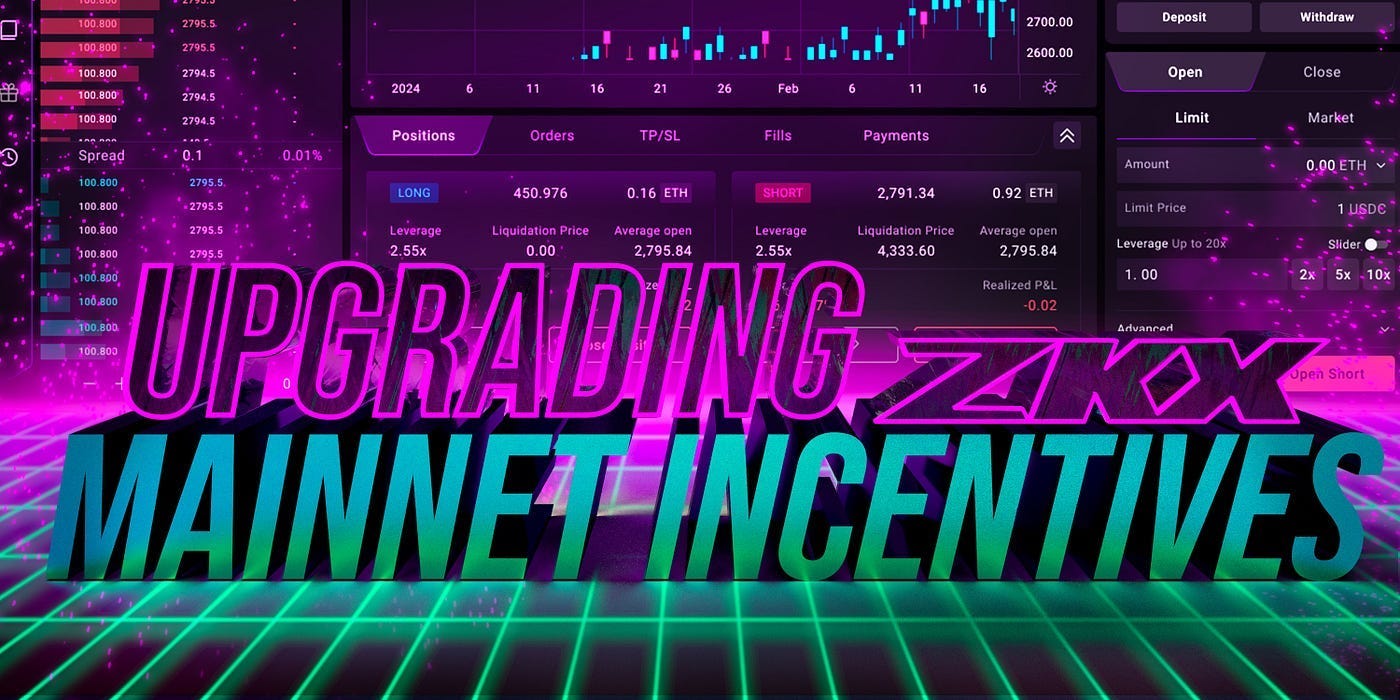
- 3. Seed incentives via tokenomics audit: Audit tokenomics to allocate incentives, drawing from ZKX's 9% token earmark for liquidity providers and market makers on its appchain.
- 4. Activate tiered maker rebates: Enable tiered maker rebates and negative fees, as in Paradex on Starknet, to attract professional market makers and deepen liquidity.
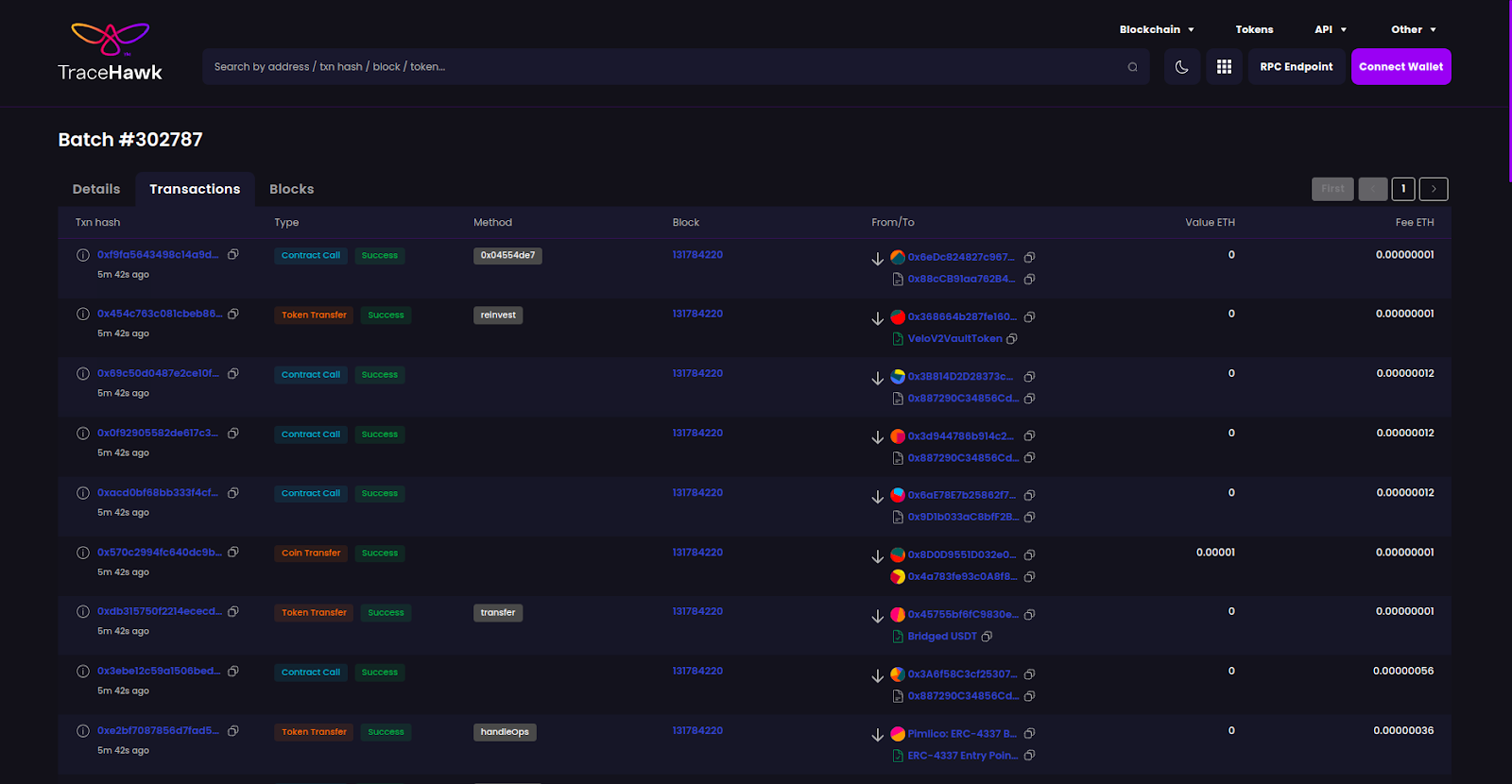
- 5. Monitor and iterate with real-time dashboards: Deploy 24x7 real-time dashboards like Zeeve's monitoring for appchains, enabling continuous iteration and SLA-backed performance.
This precision stems from battle-tested advisory - Deloitte honed my edge on emission models that retain 3x longer than peers. Teams bypassing LaaS chase shadows: high slippage repels traders, shallow pools amplify MEV. Instead, embrace engineered depth. AppChainLiquidity. com equips you for thriving ecosystems, where liquidity isn't an afterthought but the launchpad. Custom L3s now command DeFi's frontier, armed with bridges that bind, makers that endure, and incentives that ignite perpetual velocity.



No comments yet. Be the first to share your thoughts!