
Get appchain liquidity right
Before launching an appchain, you must secure the liquidity that keeps it running. Most modular blockchains fail not because of code, but because assets are trapped in silos. You need a clear path to move value between your chain and the broader ecosystem.
Start by defining your liquidity strategy. Are you building a dedicated chain for a specific asset, like the DTCC’s Collateral AppChain, or a general-purpose chain for multiple dApps? This decision dictates your infrastructure. If you are managing high-value institutional assets, you may need specialized tools like Chainlink’s Runtime Environment to handle near real-time settlement and compliance. For consumer apps, focus on cross-chain swaps and NFT movement capabilities that let users access liquidity wherever it lives.
Next, map out the settlement layers. Your appchain needs a reliable bridge to move collateral in and out. Without a standardized data layer, you risk fragmentation where assets become illiquid during high-volume periods. Test these bridges with small transactions before going live. You are looking for speed and cost efficiency, not just theoretical connectivity. If your bridge is slow, your liquidity is effectively frozen.
Finally, verify your liquidity sources. Don’t assume liquidity exists just because you built the chain. Confirm that market makers, protocols, and users have a reason to hold assets there. Use a checklist to audit your liquidity depth across different times of day. If the depth is shallow, your chain will suffer from high slippage, driving users away. Secure the flow first, then scale the users.
Work through the steps
Appchain liquidity solves fragmentation by allowing assets to move freely between specialized blockchains. Instead of locking capital in siloed networks, you can deploy liquidity where it is needed most. This guide walks through the practical steps to set up and manage appchain liquidity for collateral management and cross-chain operations.

Select a modular blockchain architecture that supports your specific use case. For financial institutions, platforms like DTCC’s Collateral AppChain provide shared infrastructure for managing tokenized assets. For decentralized applications, consider frameworks like Thirdweb AppChain, which enable secure asset transfers and cross-chain swaps. The choice depends on whether you prioritize institutional compliance or developer flexibility.
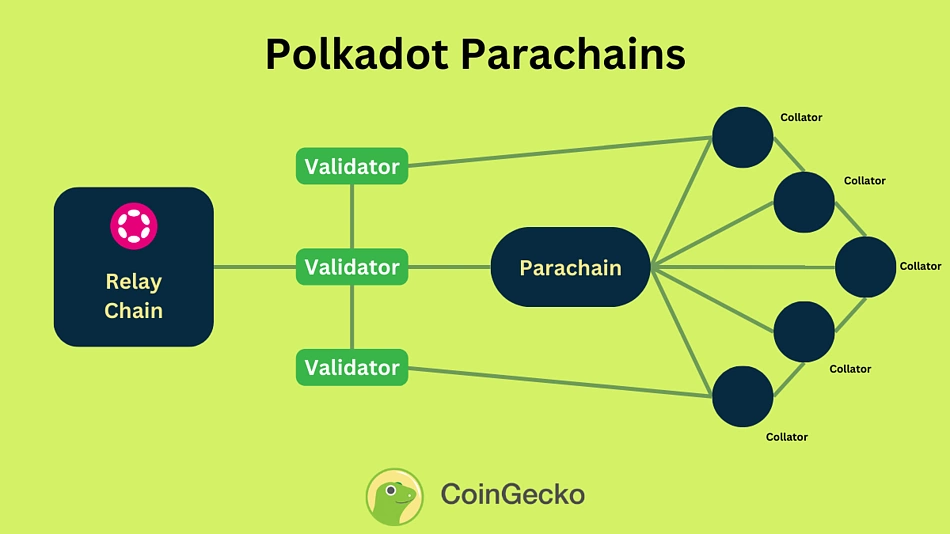
Connect your appchain to a broader liquidity network using generalized message passing. This allows your dApp or collateral system to access multi-chain liquidity without moving assets manually. Protocols that support near real-time data feeds, such as Chainlink’s Runtime Environment, ensure that your appchain can react to market changes instantly. This step is critical for maintaining accurate collateral valuations across different chains.
Write and deploy smart contracts that define how liquidity is allocated and managed. Use collateral technology to automate the allocation process based on regulatory and liquidity requirements. This reduces manual oversight and minimizes credit risk exposure. Ensure your contracts can assess the creditworthiness of assets in real time, enhancing overall risk management for participants.
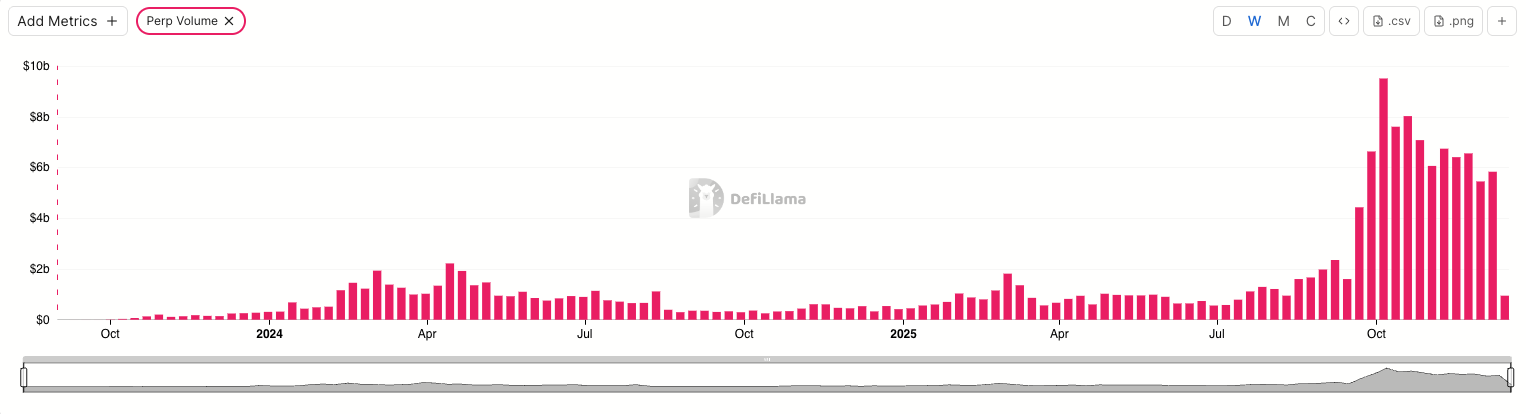
Continuously monitor the depth and distribution of liquidity across your appchain and connected networks. Use data feeds to trigger automatic rebalancing when liquidity becomes uneven or when market conditions shift. This proactive approach prevents fragmentation and ensures that capital remains efficient. Regular audits of your liquidity pools help identify bottlenecks and optimize performance over time.
Fix common mistakes in appchain liquidity setup
Appchain liquidity solves fragmentation, but only if the infrastructure is configured correctly. Most projects fail because they treat appchains as isolated silos rather than connected nodes in a broader network. The following errors cause poor outcomes, including stuck assets and broken cross-chain messaging.
Ignoring cross-chain message standards
Appchains rely on generalized message passing to move state and value between chains. If you build custom, proprietary messaging protocols, you create interoperability dead ends. Thirdweb’s AppChain framework enables secure asset transfers and cross-chain swaps by standardizing how dApps communicate. Without this standardization, liquidity remains trapped in single-chain silos.
Overlooking collateral mobility requirements
Financial appchains, particularly those handling tokenized assets, must prioritize collateral mobility. This is the ability to move collateral across blockchains in near real-time to meet regulatory and liquidity requirements. If your appchain does not support automated collateralization and creditworthiness assessment, you introduce significant risk exposure. Tools like DTCC’s Collateral AppChain leverage the Chainlink Runtime Environment to enable this mobility, ensuring assets can flow where they are needed most.
Failing to verify settlement finality
Liquidity is only as good as the settlement layer beneath it. Many teams deploy appchains without verifying that finality times match their liquidity needs. If settlement is slow or probabilistic, market makers will withdraw liquidity due to counterparty risk. Always test cross-chain swaps under high-latency conditions to ensure your appchain can handle real-world trading volumes without freezing assets.
Appchain liquidity: what to check next
Before committing capital or infrastructure to modular blockchain solutions, it helps to separate the hype from the operational reality. The following answers address the most common practical objections regarding collateral mobility, specific platform implementations like DTCC’s, and the underlying technology.
No comments yet. Be the first to share your thoughts!