
The liquidity fragmentation problem
The rapid proliferation of appchains in 2026 has introduced a structural inefficiency: isolated liquidity pools. Unlike unified networks where capital flows freely, appchains operate as distinct economic zones. This isolation causes yield dilution, as capital cannot easily move to where it is most efficiently priced, and creates settlement friction at the inter-chain layer.
Institutional infrastructure providers are now grappling with this fragmentation. As noted by frameworks like Osmosis, which treat liquidity pools as chain-level primitives, the design choice to keep liquidity siloed within the appchain creates deep but narrow pools. This stands in contrast to the broader, more liquid environments of unified L1s or L3s. For institutional players, this means higher slippage and increased complexity in cross-chain settlement.
The impact is visible in market data. Capital that could be aggregated into a single deep order book is instead scattered across dozens of smaller, disconnected venues. This reduces overall market efficiency and increases the cost of capital for developers and users alike. The trend signals a shift away from pure decentralization toward solutions that prioritize capital efficiency and institutional-grade settlement.
This fragmentation is not merely a technical inconvenience; it is a fundamental barrier to institutional adoption. Without unified liquidity layers, appchains risk becoming isolated islands with limited economic reach. The industry is now focused on solving this through cross-chain messaging and unified liquidity protocols, aiming to restore the depth and efficiency seen in traditional financial markets.
Unified networks vs isolated pools
Institutional liquidity management in 2026 is defined by the tension between sovereign control and shared efficiency. The industry is currently bifurcated into two distinct architectural models: isolated appchain pools and unified liquidity networks. Each approach offers different trade-offs regarding capital efficiency, regulatory compliance, and operational complexity.
The isolated appchain model prioritizes sovereignty. Assets remain within a single chain or ledger environment, reducing cross-chain settlement risk. This structure aligns closely with traditional custodial frameworks where legal title and operational control are strictly contained. However, this isolation creates liquidity silos, often resulting in fragmented capital and lower overall efficiency.
Conversely, unified liquidity networks aggregate capital across multiple chains or ledgers to maximize utilization. By enabling cross-chain interoperability, these networks allow institutions to access deeper pools of liquidity without moving assets off-platform. While this enhances capital efficiency, it introduces complexity in settlement finality and regulatory attribution, requiring robust cross-chain verification mechanisms.
The following comparison outlines the structural differences between these two approaches based on current institutional adoption signals and official industry frameworks.
| Metric | Isolated Appchain Pools | Unified Liquidity Networks |
|---|---|---|
| Capital Efficiency | Lower due to fragmentation | Higher due to aggregation |
| Settlement Speed | Fast (single-chain) | Variable (cross-chain) |
| Regulatory Clarity | High (jurisdictional containment) | Complex (multi-jurisdiction) |
| Interoperability | Limited | Native |
| Operational Complexity | Low | High |
Market Context and Institutional Adoption
The shift toward unified networks is driven by the need to unlock trapped capital. According to the DTCC, tokenized collateral could unlock billions in capital by transforming how liquidity is managed across fragmented systems. The DTCC’s Collateral AppChain, expected to go live in Q4 2026, represents a hybrid approach, attempting to bring some unified benefits while maintaining custodial oversight.
Similarly, DTC anticipates rolling out services in the second half of 2026 to move significant portions of the $100 trillion asset base onto tokenized infrastructure. This scale requires interoperability that isolated pools cannot provide.
Institutional expectations for 2026
Major financial institutions are shifting from experimental pilots to operational mandates as they prepare for the integration of appchains. The primary driver is the need to resolve liquidity fragmentation through tokenized collateral and real-time settlement. This transition is not merely technological but structural, requiring infrastructure that can handle the velocity of modern capital markets without sacrificing regulatory compliance.
The Depository Trust & Clearing Corporation (DTCC) has signaled its intent to reshape collateral management through the Collateral AppChain. Unveiled during the Great Collateral Experiment, this infrastructure is scheduled to go live in the fourth quarter of 2026. The initiative aims to unlock billions in trapped capital by enabling more efficient collateral reuse across institutional networks. By moving collateral on-chain, the DTCC anticipates a significant reduction in the liquidity buffers that institutions currently maintain against settlement risk.
The Collateral AppChain was publicly unveiled during DTCC's Great Collateral Experiment and is expected to go live in Q4 2026.
Franklin Templeton and other asset managers are aligning their strategies with this timeline, viewing blockchain as a universal liquidity layer. Their focus is on tokenized money market funds and other short-term instruments that can settle instantly. This shift requires a departure from traditional T+1 or T+2 settlement cycles toward continuous, real-time netting. The goal is to reduce counterparty risk and free up capital that was previously tied up in the reconciliation process.
As these systems approach deployment, the market is observing a convergence between traditional securities services and decentralized finance protocols. The success of these appchains will depend on their ability to interoperate with existing legacy systems while providing the transparency required by regulators. Institutions are preparing for a landscape where liquidity is no longer siloed but flows freely across unified networks, fundamentally altering how capital is allocated and managed.
Choosing the right liquidity model
Selecting the appropriate liquidity model for an appchain requires aligning technical architecture with institutional risk tolerance. The decision is not merely technical; it is a structural choice that determines capital efficiency, regulatory compliance, and counterparty exposure. Builders must evaluate whether their use case prioritizes sovereign control over capital or interoperable access to broader markets.
Sovereign liquidity pools offer maximum regulatory clarity and operational independence. This model is suitable for applications requiring strict KYC/AML adherence, such as tokenized securities or real-world assets (RWA). The trade-off is reduced capital efficiency, as liquidity is siloed within the appchain and cannot easily aggregate with external markets.
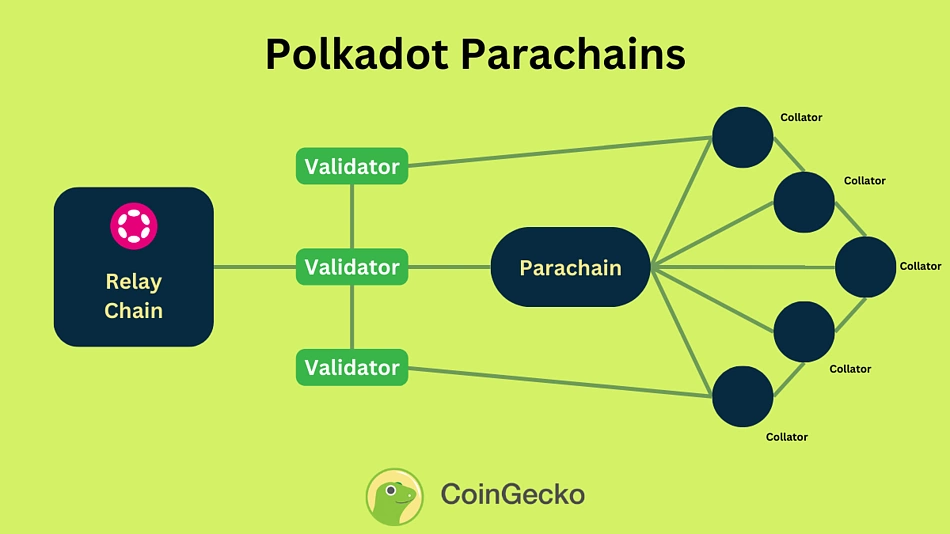
Interoperable models, such as those utilizing atomic swaps or cross-chain bridges, allow appchains to tap into deep liquidity from established networks like Ethereum or Solana. This approach enhances capital efficiency but introduces bridge risk and potential fragmentation. Institutions must assess the security audit history and economic finality of the bridging mechanism.
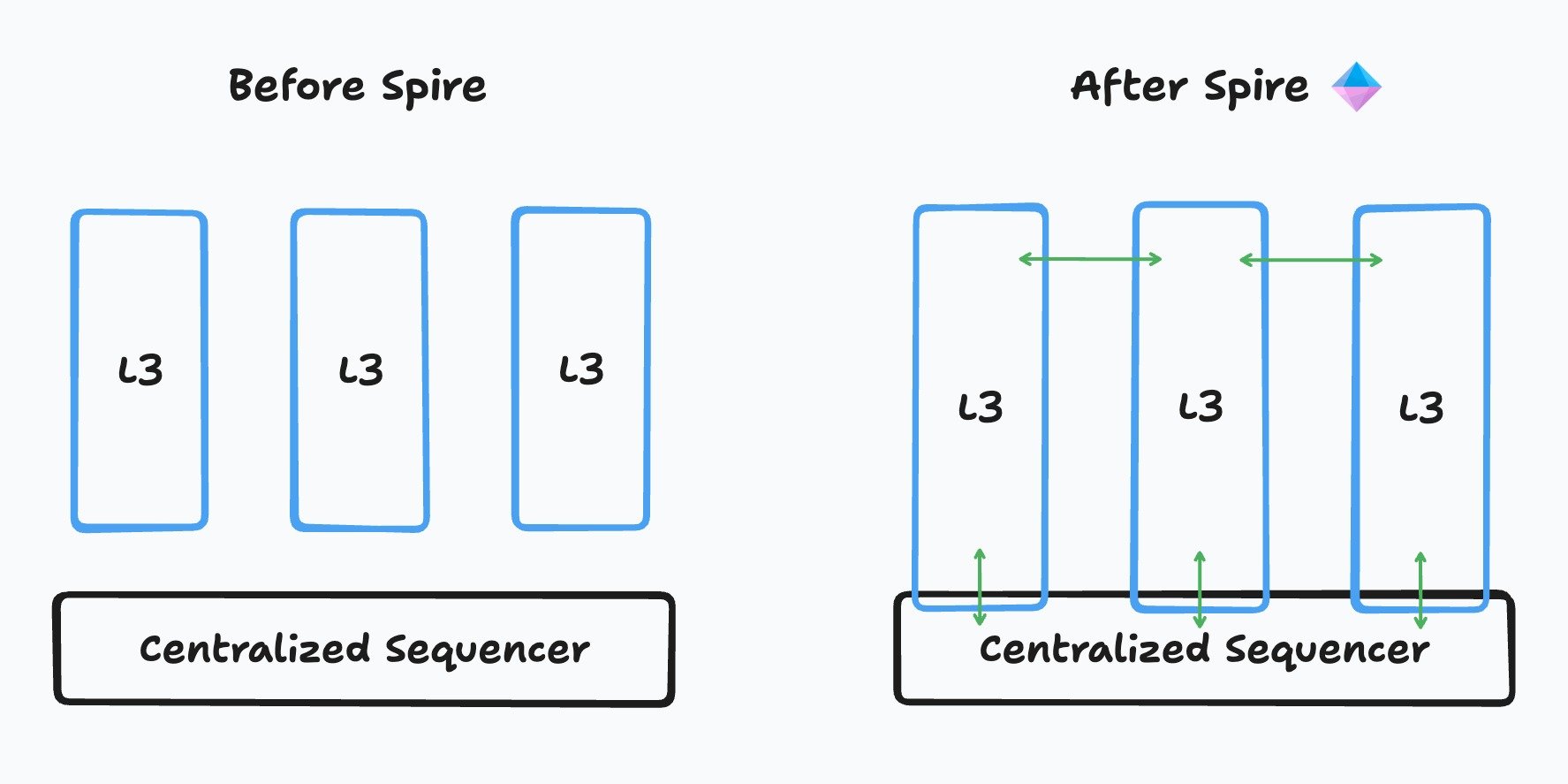
Settlement latency directly impacts liquidity provision costs. High-frequency trading applications require near-instant finality to minimize front-running risk, necessitating local consensus mechanisms. Conversely, settlement-focused assets may tolerate longer finality periods, allowing for more robust cryptographic verification and lower gas costs.
| Model | Control | Efficiency | Primary Risk |
|---|---|---|---|
| Sovereign Pool | High | Low | Liquidity Fragmentation |
| Interoperable Bridge | Medium | High | Bridge Exploits |
| Centralized Relay | Low | Medium | Counterparty Default |
The choice ultimately hinges on the specific regulatory environment and the nature of the underlying assets. For high-stakes institutional applications, the trend is shifting toward hybrid models that combine sovereign control for sensitive data with interoperable channels for deep liquidity. This balance ensures compliance while maintaining competitive market access.
No comments yet. Be the first to share your thoughts!