
In the evolving landscape of blockchain technology, multi-chain Layer 3 (L3) environments promise scalability and customization for decentralized applications. Yet, they introduce a pressing challenge: L3 liquidity fragmentation. Liquidity, the lifeblood of any successful chain, becomes scattered across isolated appchains, leading to high slippage, inefficient capital deployment, and frustrated users. As projects proliferate, this fragmentation stifles growth, particularly for new L3 appchains striving for day-one viability.
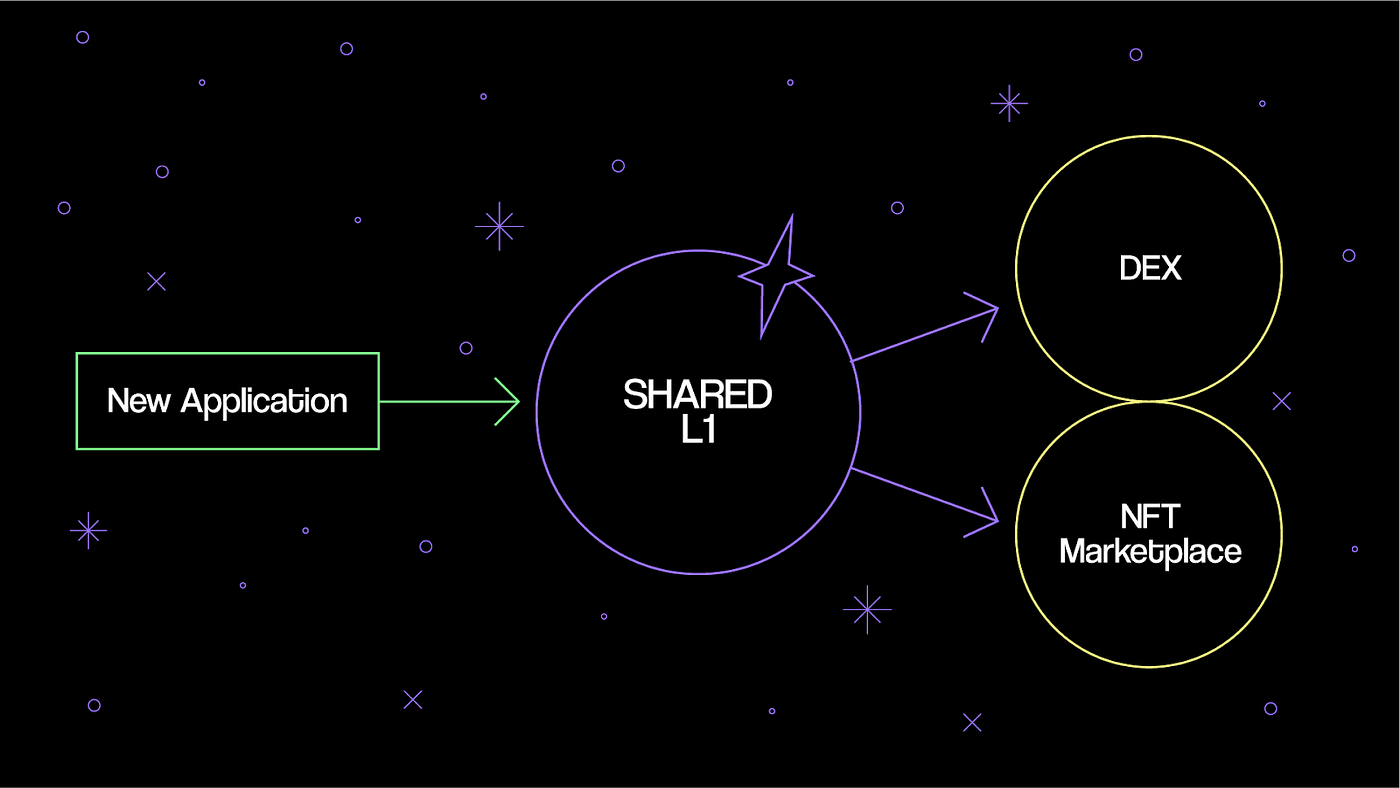
Consider a developer launching an L3 appchain for a niche DeFi protocol. Without unified liquidity, traders face fragmented order books, where assets on one chain cannot seamlessly interact with those on another. This not only increases transaction costs but also deters capital inflows, as investors prefer deep, consolidated pools. From my experience advising on liquidity strategies, sustainable token incentives paired with robust bridging mechanisms are essential to mitigate these issues.
The Mechanics of L3 Liquidity Fragmentation
Layer 3 networks build atop Layer 2 rollups, offering application-specific scaling. However, each L3 operates as a sovereign domain, often with bespoke virtual machines and settlement layers. This sovereignty fosters innovation but fragments liquidity. Assets locked in one L3 cannot natively trade against those in another without bridges, which introduce latency, security risks, and fees.
In multi-chain L3 setups, multi-chain L3 liquidity suffers from siloed total value locked (TVL). A pool on an Ethereum-based L3 might hold substantial ETH derivatives, while a Solana-aligned L3 boasts SVM-optimized tokens, yet cross-utilization remains elusive. Data from recent analyses underscores this: DeFi TVL spreads thinly, with slippage rates spiking during volatile periods due to shallow depths.
Solutions to L3 Fragmentation
- LiquidChain L3: Unifies Bitcoin, Ethereum, and Solana in a single verifiable liquid environment via SVM execution and cross-domain proofs for atomic liquidity routing.

- Omnichain Web: Uses OmniRollups and Proof Network for chain abstraction, enabling seamless cross-chain asset settlements and interoperability.
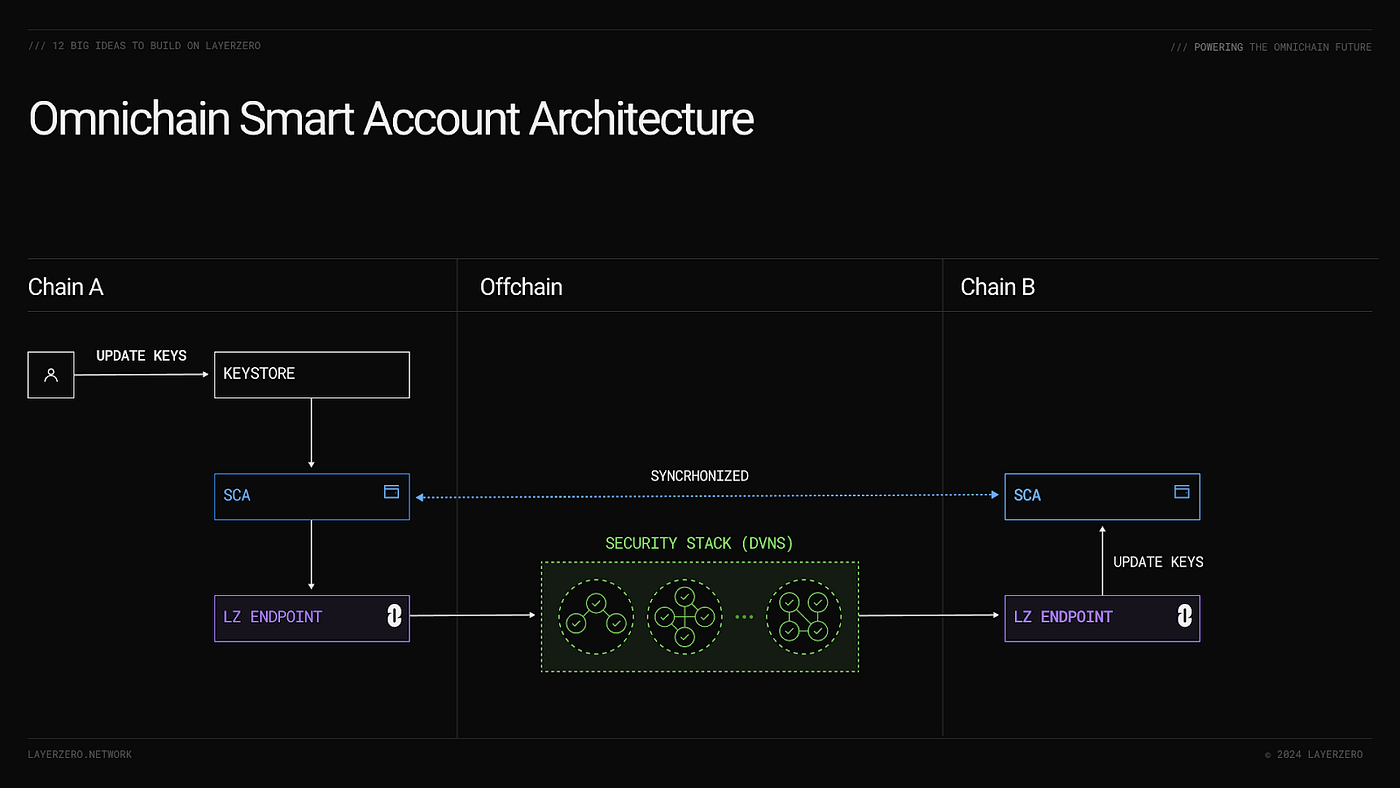
- LayerZero: Trustless omnichain protocol offering low-level communication for direct cross-chain transactions and liquidity consolidation without custodians.
- zkLink Nova: Zero-knowledge L3 that aggregates L2 assets, dApps, and users into a unified network to resolve liquidity fragmentation.
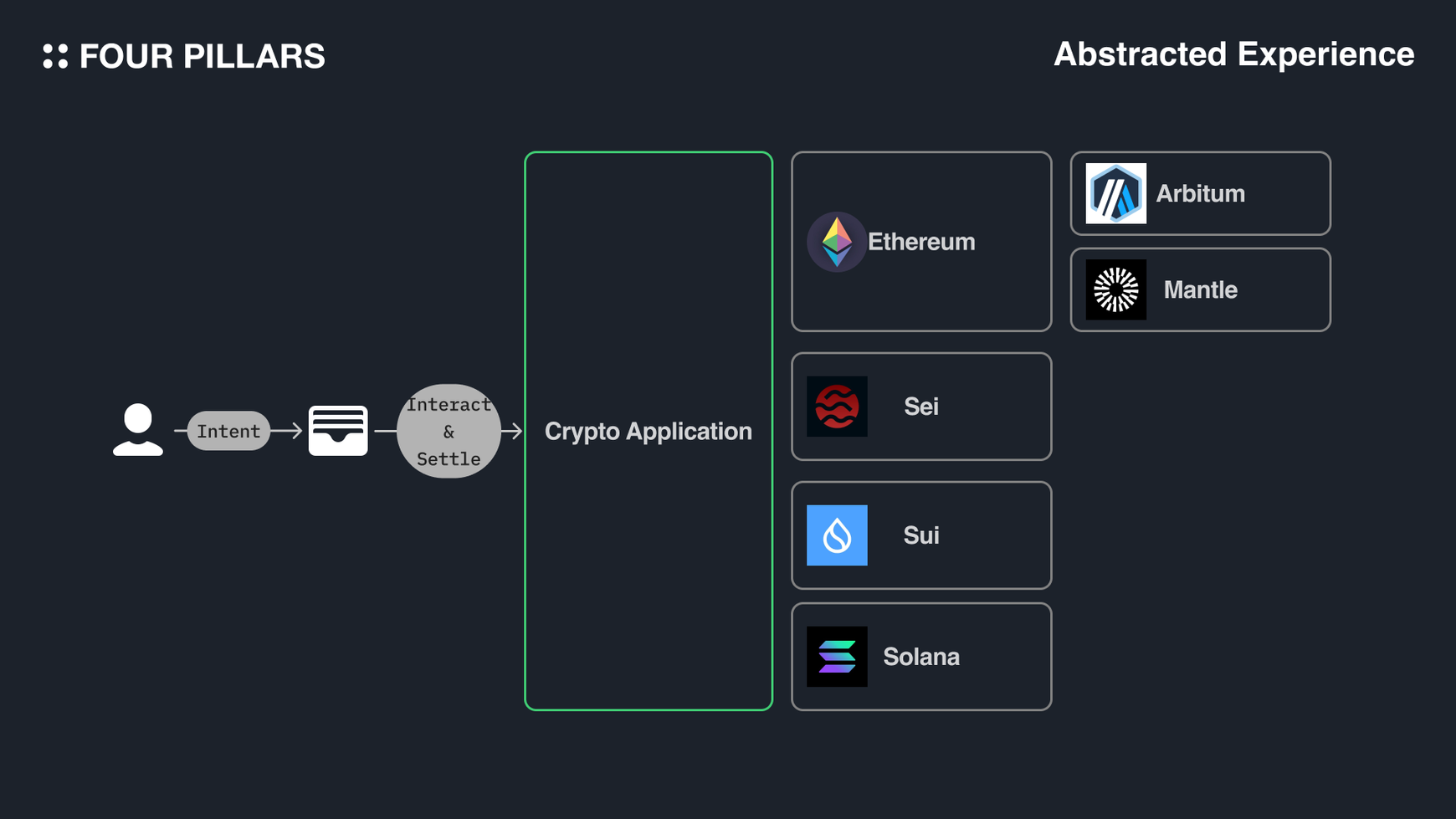
- Mantle Chain Abstraction: Enables single-wallet, single-balance operation across blockchains for true liquidity unification.
Addressing this requires a measured approach. Hype-driven airdrops may bootstrap temporary liquidity, but they often lead to extractive behavior. Instead, prioritize automated market makers (AMMs) tuned for L3 throughput and incentive alignments that reward long-term liquidity providers.
Real-World Consequences for Appchain Launches
For new L3 appchains, fragmentation translates to launch hurdles. Imagine bootstrapping a gaming ecosystem where in-game assets fragment across chains; players abandon it for unified alternatives. Developers report TVL stagnation, with capital fleeing to mature L2s. Users endure complex bridging rituals, eroding trust in the multi-chain vision.
This scenario played out recently in discussions across crypto communities, highlighting persistent pain points. Without intervention, L3 unified liquidity remains a distant goal, hampering adoption. My view: conservative strategies, like pre-seeding pools with vetted market makers, yield more reliable outcomes than speculative pumps.

Pioneering Projects Paving the Way Forward
Several initiatives are tackling L3 liquidity fragmentation head-on. LiquidChain L3 unifies Bitcoin, Ethereum, and Solana through SVM execution and cross-domain proofs, enabling atomic routing. Omnichain Web employs OmniRollups for seamless settlements, abstracting chain complexities.
LayerZero offers trustless interoperability primitives, allowing direct cross-chain transactions sans custodians. zkLink Nova aggregates L2-dispersed assets into a cohesive ZK L3, while Mantle's chain abstraction system promises single-wallet, single-balance operations across chains. These efforts signal progress toward liquidity cohesion.
In this context, Liquidity-as-a-Service (LaaS) platforms like AppChainLiquidity. com emerge as vital enablers. By delivering efficient bridges, AMMs, and incentives, LaaS supports LaaS multi-chain L3 deployments with deep pools from inception. Such services emphasize capital efficiency, aligning with sustainable growth principles over fleeting hype.




No comments yet. Be the first to share your thoughts!