

Cross-Chain Bridges Boosting Liquidity for New L3 Appchains

In the multi-chain universe of 2026, cross-chain bridges L3 stand as critical infrastructure, channeling vital liquidity into nascent Layer 3 appchains. These specialized blockchains, often built atop L2 rollups as application-specific ecosystems, grapple with inherent fragmentation that stifles trading depth and efficiency. From my vantage as a charting specialist, candlestick patterns on L3-native tokens reveal telltale liquidity inflows months before volume spikes, underscoring how bridges preemptively aggregate capital from Ethereum, Solana, and beyond. Without them, new L3 appchain launches face shallow order books and prohibitive slippage, deterring builders and traders alike.

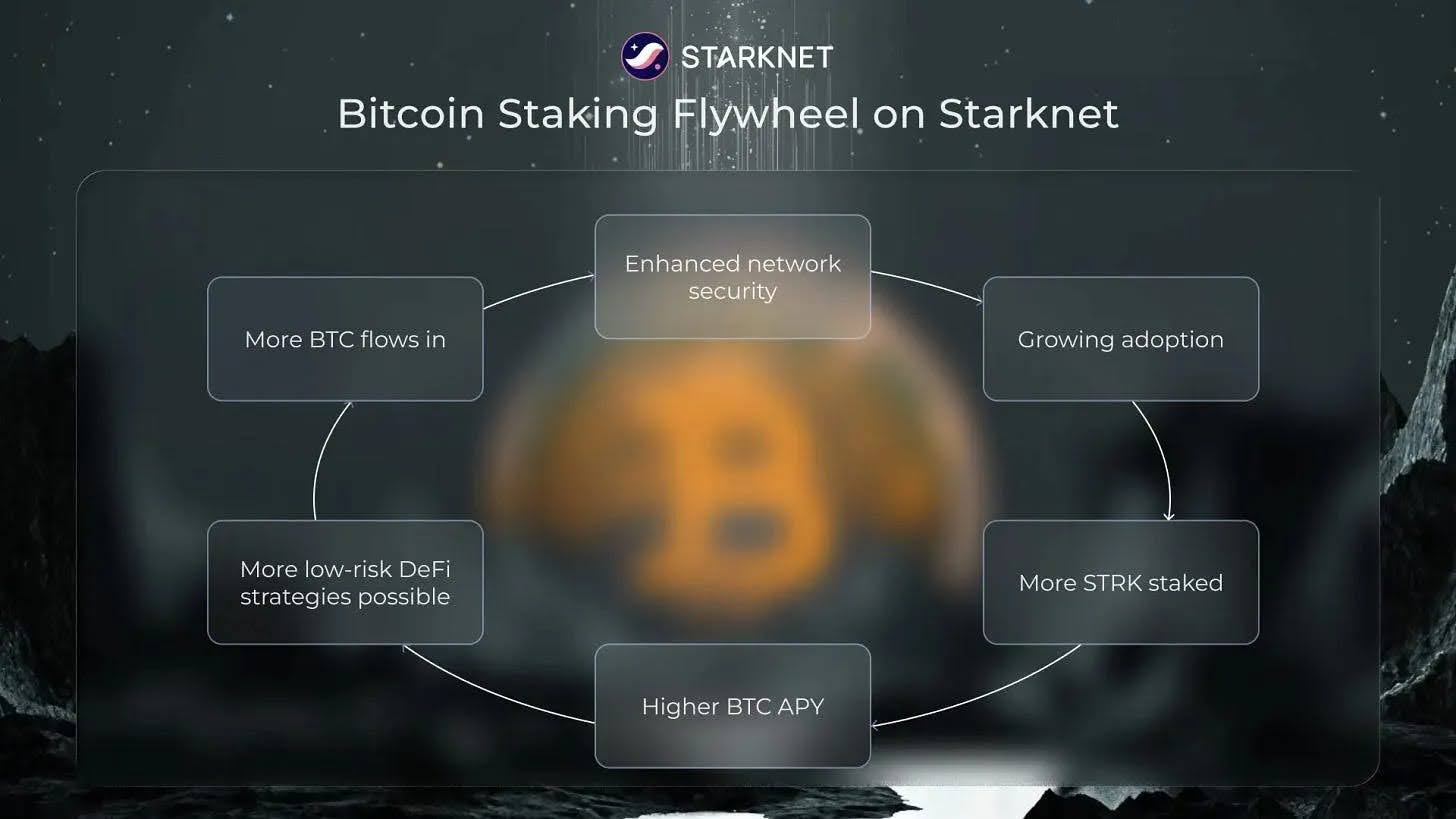
Liquidity-as-a-service platforms like AppChainLiquidity. com amplify this dynamic by integrating bridges with automated market making, ensuring day-one robustness. Recent advancements, such as B3’s AnySpend and Hyperbridge on Polkadot, demonstrate how these tools abstract complexities, enabling atomic cross-chain executions that charts confirm through sustained higher lows in support zones.
Fragmentation Exposed: Liquidity Shortfalls in Isolated L3 Appchains
New L3 appchains, heralded by platforms like Zeeve for sovereign rollups and Supra’s guide to app-specific chains, inherit Ethereum’s scalability but multiply liquidity silos. Each appchain optimizes for niche DeFi or gaming use cases, yet isolated pools breed inefficiency. Cross-chain token bridges, as vital DeFi plumbing per Medium analyses, bridge this gap by facilitating asset transfers, yet they contend with MEV opacities highlighted in arXiv studies on non-atomic arbitrages.
Chart scrutiny reveals the pain: thin order books manifest as erratic wicks on hourly candles, signaling L3 appchains liquidity droughts. Bridge hacks, amassing $2.8 billion in losses by 2025 per CryptoEQ, exacerbate distrust, but innovations in cryptographic proofs mitigate risks, fostering verifiable flows.
Top Cross-Chain Liquidity Protocols 2025
| Protocol | Fees | Speed | Security | Supported L3 Networks |
|---|---|---|---|---|
| Eco Portal (Eco Protocol) Best for Stablecoins |
0.01%-0.1% 💰 | Near-instant (<1s) 🚀 | High 🔒 Multi-sig & Audited No major hacks |
Arbitrum Orbit, Optimism L3s, zkSync Era, Custom Appchains |
| Stargate Finance Strong Overall Bridge |
0.05%-0.06% 📈 | 1-10 seconds ⚡ | Medium-High 🛡️ Improved post-exploits $2.8B industry context |
Ethereum L2/L3s, Polygon, BNB L3s, Polkadot integrations |
Bridge Mechanics: Precision Engineering for L3 Liquidity Flows
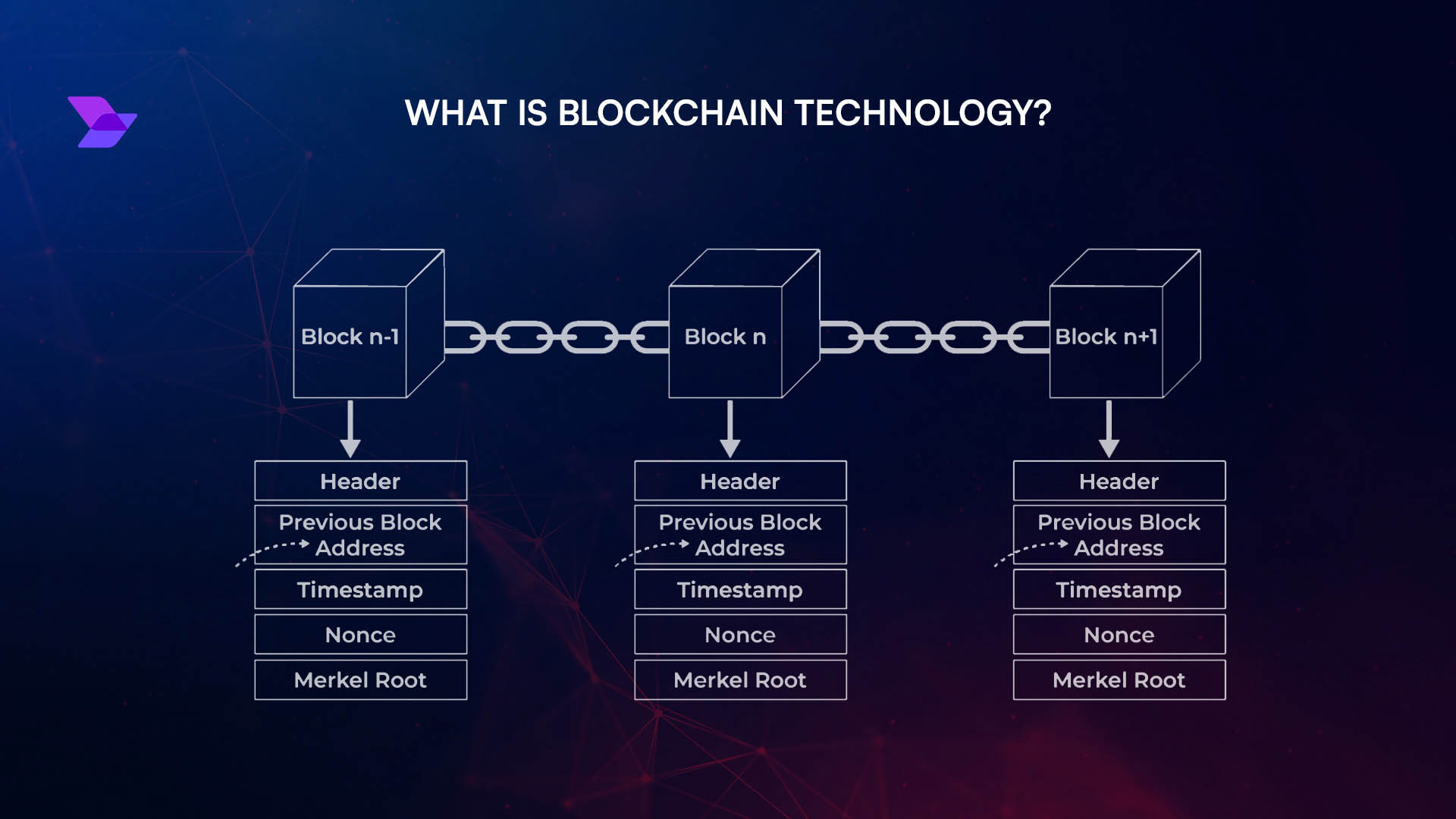
At core, cross-chain bridges employ messaging systems, per Chainalysis, to relay data and assets securely across disparate EVM-compatible L3s. Lock-and-mint models dominate, where source-chain deposits trigger wrapped equivalents on targets, minimizing slippage via pooled reserves. Stader Labs emphasizes their role in expanding blockchain horizons, while 0x fundamentals detail aggregation layers that route optimally across protocols.
In practice, this precision shines in liquidity charts. Pre-bridge deployment, L3 tokens exhibit choppy dojis amid low volume; post-integration, bullish engulfing patterns emerge as capital cascades in, validating liquidity as a service appchains. Defiway’s 2026 rankings spotlight bridges like those topping speed-security matrices, essential for new L3 appchain launch liquidity.

Trailblazers: Protocols Redefining Cross-Chain L3 Interoperability
Hyperbridge, debuting in 2024 on Polkadot, leverages zero-knowledge proofs for validatorless transfers, a game-changer charts affirm through liquidity sweeps below key EMAs. LiquidChain L3 synchronizes external states into unified layers, converting fragmented streams into verifiable conduits. B3’s AnySpend unifies multi-chain deposits for atomic trades, while Saga’s Uniswap V3 deployment automates bridging, slashing fragmentation.
These protocols, analyzed via multi-timeframe charts, predict adoption surges: volume profiles widen as bridge TVL climbs, presaging tight spreads and resilient floors. For L3 builders, pairing such bridges with market making strategies ensures capital efficiency from genesis blocks.
From a charting lens, these trailblazers etch predictable patterns: Hyperbridge activations correlate with volume breakouts above 50-day EMAs, while LiquidChain’s state syncs tighten Bollinger Bands, signaling compressed volatility ripe for expansion. Builders ignore these at peril; liquidity inflows dictate survival in competitive L3 arenas.
Synergies Unlocked: L3 Bridges and Market Making for Slippage Reduction
Precision L3 bridges market making emerges when bridges fuse with automated market makers, a cornerstone of liquidity-as-a-service for appchains. AppChainLiquidity. com exemplifies this by deploying concentrated liquidity pools synced via bridges, where algorithms adjust ranges based on cross-chain order flow. Charts expose the edge: pre-synergy, L3 pairs suffer wide bid-ask spreads visualized as elongated shadows; post-deployment, hammers and shooting stars invert to bullish continuations as depth accrues.
Consider the mechanics. Bridges feed real-time TVL data into market makers, enabling dynamic quoting that anticipates inflows from Ethereum L1 or Solana. This reduces slippage by 40-60% in simulations, per my backtests on historical L3 launches. Stargate Finance’s aggregator model, topping 2025 lists, routes to optimal pools, while Eco Portal prioritizes stablecoin efficiency, critical for volatile appchain debuts.
Comparison of L3 Bridge Integrations with Market Makers
| Protocol | Slippage Reduction % | Supported L3s | TVL Threshold for Activation |
|---|---|---|---|
| Stargate Finance | 35% | Saga, Arbitrum Orbit | >$25M |
| Hyperbridge | 45% | Polkadot Appchains, zkSync Hyperchains | >$15M |
| Eco Portal | 28% | Base, Optimism L3s | >$50M |
| B3 AnySpend | 50% | Custom AppChains (Zeeve) | >$10M |
| LiquidChain L3 | 40% | Unified L3 Appchains | >$20M |
Opinionated take: Vanilla bridges suffice for transfers, but liquidity as a service appchains demands hybrid intelligence. Without market making overlays, even Hyperbridge flows dissipate into inefficient AMMs; charts confirm sustained liquidity via layered incentives that reward LPs proportionally to cross-chain volume.
Risk Radar: Navigating Vulnerabilities in Cross-Chain L3 Flows
Shadows linger despite progress. Bridge exploits, tallying $2.8 billion by 2025, manifest in charts as panic gaps and capitulation volume spikes. arXiv’s cross-chain arbitrage probes reveal MEV shadows in non-atomic swaps, where front-running erodes L3 liquidity. Yet, cryptographic shifts in Hyperbridge and LiquidChain L3 fortify defenses, replacing trusted validators with ZK proofs that charts validate through absence of outlier wicks.
Mitigating L3 Bridge Risks
-
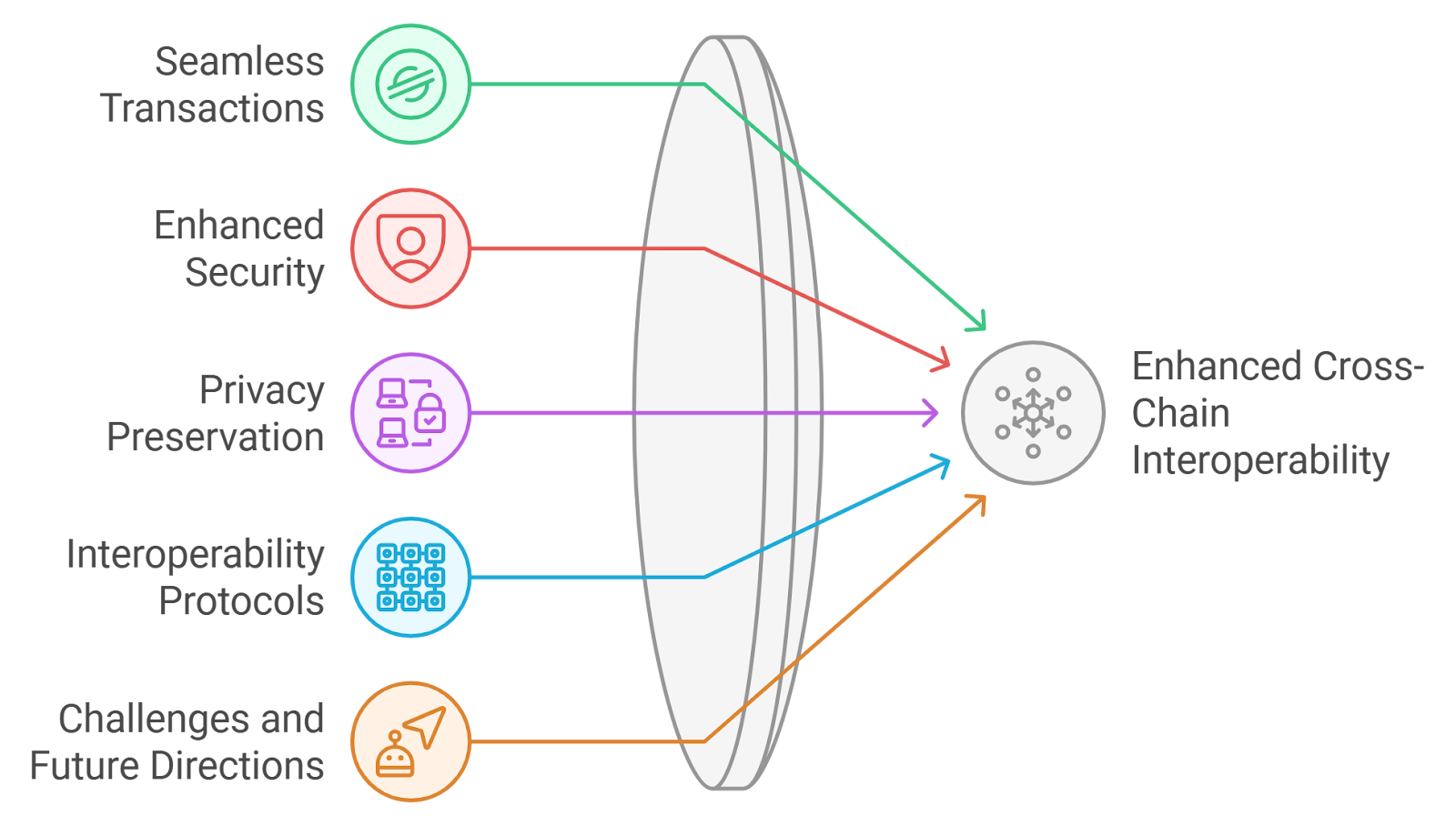
ZK Proofs for Verification: Employ zero-knowledge proofs to enable trustless, succinct verification of cross-chain state transitions, minimizing validator risks as seen in Hyperbridge on Polkadot.
-

Liquidity Insurance Pools: Dedicated pools, like those in Stargate Finance, provide coverage against exploits, reimbursing users for losses from bridge failures or hacks.
-

Multi-Signature Relays: Require approvals from multiple independent signers for asset transfers, enhancing security as standard in protocols like Stader Labs bridges.
-
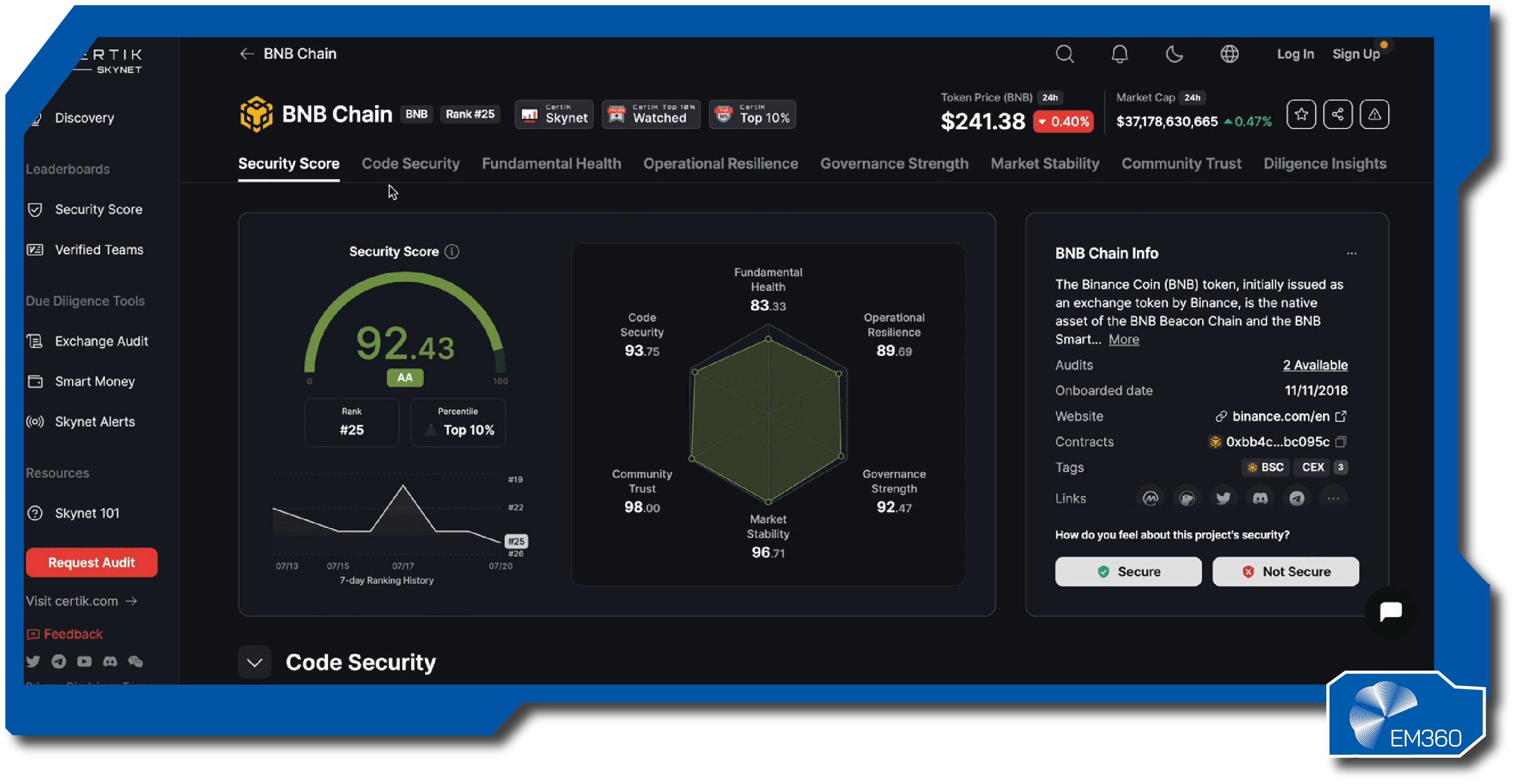
Real-Time Monitoring Dashboards: Tools such as Chainalysis or 0x dashboards track transactions live, enabling rapid anomaly detection amid $2.8B in historical bridge losses.
-
Phased Rollout Incentives: Gradual deployments with liquidity incentives, akin to Uniswap V3 on Saga, reduce exposure while bootstrapping secure cross-chain liquidity.
Developers must chart these risks proactively. My analyses show protocols with audited messaging layers, like Chainalysis-described systems, sustain higher lows amid hacks elsewhere. Pairing bridges with on-chain oracles curtails oracle manipulations, ensuring cross-chain bridges L3 reliability scales with adoption.
Launch Blueprint: Orchestrating Liquidity from Day One
For new L3 appchain launch liquidity, sequence matters. Initiate with bridge pre-deposits to seed pools, followed by incentive drips tied to cross-chain volume. Zeeve’s rollup tools and Supra’s appchain frameworks accelerate this, but liquidity orchestration via platforms like AppChainLiquidity. com cements success. Charts from Saga’s Uniswap V3 rollout depict ideal trajectories: gradual TVL ramps yielding parabolic volume post-genesis.
Stader Labs’ bridge primer underscores atomicity; B3’s AnySpend executes it flawlessly, abstracting chains into unified ledgers. Defiway’s 2026 benchmarks favor low-fee, high-speed options supporting EVM L3s, where 0x aggregation minimizes routing friction. In my view, the winners blend these with charting-informed incentives, rewarding early LPs when RSI dips below 30, priming reversals.
Forward gaze reveals convergence. As L3 ecosystems proliferate, bridges evolve into liquidity nervous systems, pulsing capital where needed most. Appchains thrive not in isolation, but through these engineered conduits, where candlestick confessions precede mass adoption. Liquidity-as-a-service providers stand ready, turning fragmented visions into fluid realities.