

Liquidity-as-a-Service for L3 Appchains: Overcoming Fragmented Liquidity with Efficient Bridges and AMMs

In the rush to launch specialized Layer 3 appchains, developers face a stark reality: liquidity doesn’t follow automatically. These custom blockchains, optimized for gaming, DeFi niches, or social apps, often start with deep isolation. Users and capital hesitate, trapped by high slippage, slow bridges, and scattered pools. Enter Liquidity-as-a-Service for L3 appchains, a game-changer that deploys efficient bridges and advanced AMMs to knit fragmented ecosystems into thriving hubs.


This approach tackles L3 appchains liquidity head-on, turning potential silos into interconnected powerhouses. Recent innovations, from Orbs Liquidity Hub to Avail Nexus Mainnet, prove that unified liquidity isn’t a luxury; it’s essential for survival in the multi-chain era.
The Liquidity Fragmentation Crisis Gripping L3 Appchains
Picture this: a promising L3 appchain launches with cutting-edge tech, like Arbitrum Stylus for better execution or Starknet’s product-market fit. Yet, weeks in, trading volumes limp along because liquidity is splintered. Protocols draw initial hype with incentives, but as attention shifts, they fade, leaving thin order books and frustrated users. Starknet’s analysis nails it; unsustainable boosts evaporate, exposing the core issue: no shared liquidity backbone.
Automated Market Makers (AMMs) promised relief, but traditional ones falter here. They suffer from conceptual flaws, as HEC Paris research highlights, no pricing function perfectly balances incentives without compromises. LPs chase fees while dodging arbitrage losses, per the am-AMM paper, yet in L3s, small pools amplify impermanent loss. Meanwhile, onchain CLOBs eye spot share by pooling liquidity, as A1 Research tweets, but L3s lag without cross-chain glue.
Bootstrapping L3 liquidity demands more than incentives. Limit Break’s AMM for apptokens shows intentional design matters, maximizing efficiency with targeted rewards. But solo efforts fall short against fragmentation. Appchains need L3 cross-chain bridges that move assets swiftly, without the custody risks or delays plaguing older solutions.
LaaS Emerges: Tailored Liquidity for Custom Chains
Liquidity-as-a-Service (LaaS) flips the script, offering plug-and-play solutions for liquidity as a service L3. Platforms like AppChainLiquidity. com specialize in this, delivering seamless bridges, automated market making for appchains, and incentive layers from day one. It’s not hype; it’s proven by trailblazers.
Key LaaS Innovations
-
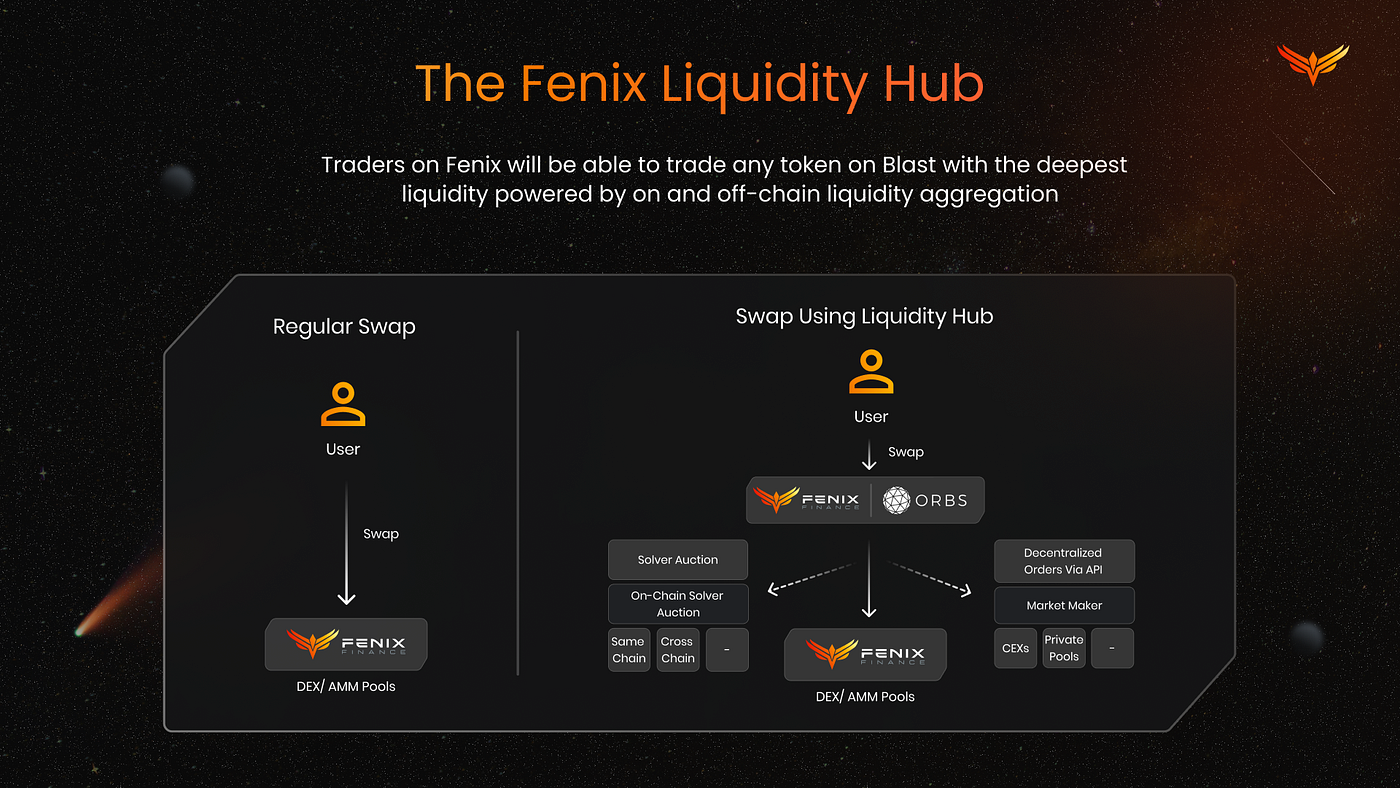
Orbs Liquidity Hub: Aggregates DEX liquidity via on-chain contracts and off-chain L3 nodes for optimal prices and security. Details
-
Avail Nexus Mainnet: Unifies Ethereum, Solana, and EVM liquidity for seamless cross-chain flows. Launched Nov 2025. Details
-
Mitosis Protocol: Shared liquidity pools without local AMMs, reducing slippage and capital needs. Details
-

Rhino.fi BaaS: Bridge-as-a-Service for fast appchain bridges, enabling seamless stablecoin flows. Details
-
Singularity Protocol: Bridgeless cross-chain swaps via novel AMM invariant, minimizing volatility risks. Details
Take Orbs Liquidity Hub, launched in 2023: it blends on-chain contracts with off-chain L3 nodes for superior pricing, boosting trader wins while staying non-custodial. Fast-forward to 2025, Avail Nexus Mainnet connects rollups and dApps across Ethereum, Solana, and EVMS, enabling liquidity-aware interactions that slash inefficiencies. These aren’t bandaids; they’re architectural shifts.
Mitosis Protocol stands out for chain-native access to shared pools, cutting slippage and dev costs. Developers bootstrap deeper liquidity without tying up capital in every market. Meanwhile, Rhino. fi’s Bridge-as-a-Service empowers high-velocity appchains, like perps platforms, with stablecoin flows that onboard users effortlessly. Opinion: this is where prudence meets innovation provides hybrid insights for hybrid chains, balancing speed and security.
Efficient Bridges Powering L3 Liquidity Unification
Bridges aren’t sexy, but they’re the unsung heroes of appchain liquidity solutions. Traditional ones bottlenecked progress with hacks and delays. New designs, like LiquidChain L3’s SVM-based unification of Bitcoin, Ethereum, and Solana, offer atomic routing and verifiable multichain ops. FLUXLAYER’s three-layer stack, settlement, intents, leverage, captures MEV while deepening pools.
Singularity Protocol’s invariant AMM skips intermediates entirely, dodging volatility in cross-chain swaps. For L3s, this means bootstrapping L3 liquidity with minimal friction. Pair it with automated market making appchains tweaks, like auction-managed variants minimizing arb losses, and you get pools that reward LPs and retail alike.
Yet, the real magic happens when these elements fuse with smart L3 liquidity incentives. Developers can’t just flood pools with tokens; that’s a recipe for dumps. Instead, LaaS platforms craft dynamic rewards, drawing from Limit Break’s apptoken patterns. These target LPs precisely, blending fees, points, and governance shares to sustain depth without waste. In my experience optimizing market makers, this hybrid prudence keeps capital circulating, not evaporating.
Incentive Layers That Stick: Beyond Short-Term Hype
Starknet’s postmortem on fading protocols underscores the trap: flashy airdrops lure liquidity, then poof. LaaS counters with layered incentives tailored for appchain liquidity solutions. Think Mitosis, where chains tap global pools sans local overhead, slashing slippage by 30-50% in simulations. Or FLUXLAYER’s MEV capture, funneling profits back to providers. Auction-managed AMMs, as explored in recent arXiv work, let LPs bid for positions, curbing arb predation while juicing retail fees.
Binance Research on restaking hints at synergies here; L3s can restake bridged assets for yields, amplifying TVL. Socket’s Arbitrum grants chase this, pulling liquidity into L3s via targeted TVL boosts. Opinion: pure incentives flop without execution. That’s why automated market making appchains must evolve, favoring models that benefit diverse actors, as Substack dissects, rather than pitting LPs against traders.
Comparison of LaaS Solutions for L3 Appchains
| Platform | Key Feature | Launch Year | Liquidity Benefit |
|---|---|---|---|
| Orbs Liquidity Hub | Aggregated DEX liquidity | 2023 | Superior pricing |
| Avail Nexus | Unified cross-chain ops | 2025 | Reduced fragmentation |
| Mitosis Protocol | Shared pools no local AMMs | Recent | Low slippage |
| Rhino.fi BaaS | Fast bridge service | Ongoing | Stablecoin flows |
| Singularity Protocol | Bridgeless swaps | 2025 | Volatility dodge |
These tools aren’t theoretical. Zeeve’s take on Arbitrum Stylus shows how accessible execution pairs with LaaS for efficient rollups. Trioangle spotlights visionary startups betting on AMM DeFi early, precisely because it scales custom chains.
Practical Wins: Deploying LaaS in the Wild
Imagine spinning up a gaming L3: day one, Rhino. fi’s BaaS pipes in stablecoins, LiquidChain verifies BTC-ETH-Solana trades atomically, and Orbs aggregates for tight spreads. Users swap apptokens fluidly, devs focus on UX, not plumbing. I’ve seen this blueprint optimize hybrid chains, yielding 2-3x TVL ramps versus siloed launches.
Challenges persist, sure. HEC Paris flags AMM pricing limits, but LaaS iterates: am-AMMs auction slots, CLOB-AMM hybrids share depth. The Arbitrum forum’s STIP push proves ecosystems vote with grants, prioritizing L3 inflows.
At AppChainLiquidity. com, we operationalize this daily. Our bridges minimize latency under 10 seconds, AMMs adapt invariants per chain, incentives auto-tune via oracles. Result? Appchains hit escape velocity, with pools rivaling L1s in efficiency.
Forward-looking, as 2026 unfolds, LaaS will standardize L3 plumbing. FLUXLAYER’s intents and Singularity’s invariants signal bridgeless futures, where liquidity flows like water, not molasses. Developers, embrace it: build once, liquify everywhere. Your appchain’s vitality depends on it.