

In 2026, launching a new L3 appchain means tackling liquidity bootstrapping head-on, where cross-chain bridges L3 appchains and advanced AMMs turn isolation into opportunity. Forget the old days of thin order books and high slippage; today's protocols like AnySpend and LiquidChain L3 deliver atomic swaps and unified liquidity layers that make your appchain feel like a native hub from block one. I've swing traded these setups for years, and the momentum is real: incentives pull in TVL surges while bridges handle the heavy lifting.
Why Traditional Liquidity Bootstrapping Fails New L3 Appchains
New L3s face a brutal reality. Appchains trade sovereignty for speed, but outsourcing to external bridges invites systemic risks, as ChainScore Labs nails it. Fragmented liquidity means users bounce between chains, facing delays and MEV pitfalls. Canonical bridges bootstrap basics, yet they scale poorly for L3 use cases, per Arbitrum's STIP discussions. Doppler's Dutch auctions and Threshold's Wormhole plays hint at fixes, but 2026 demands more: self-sustaining cycles where LPs draw organic volume, as Gauntlet describes.
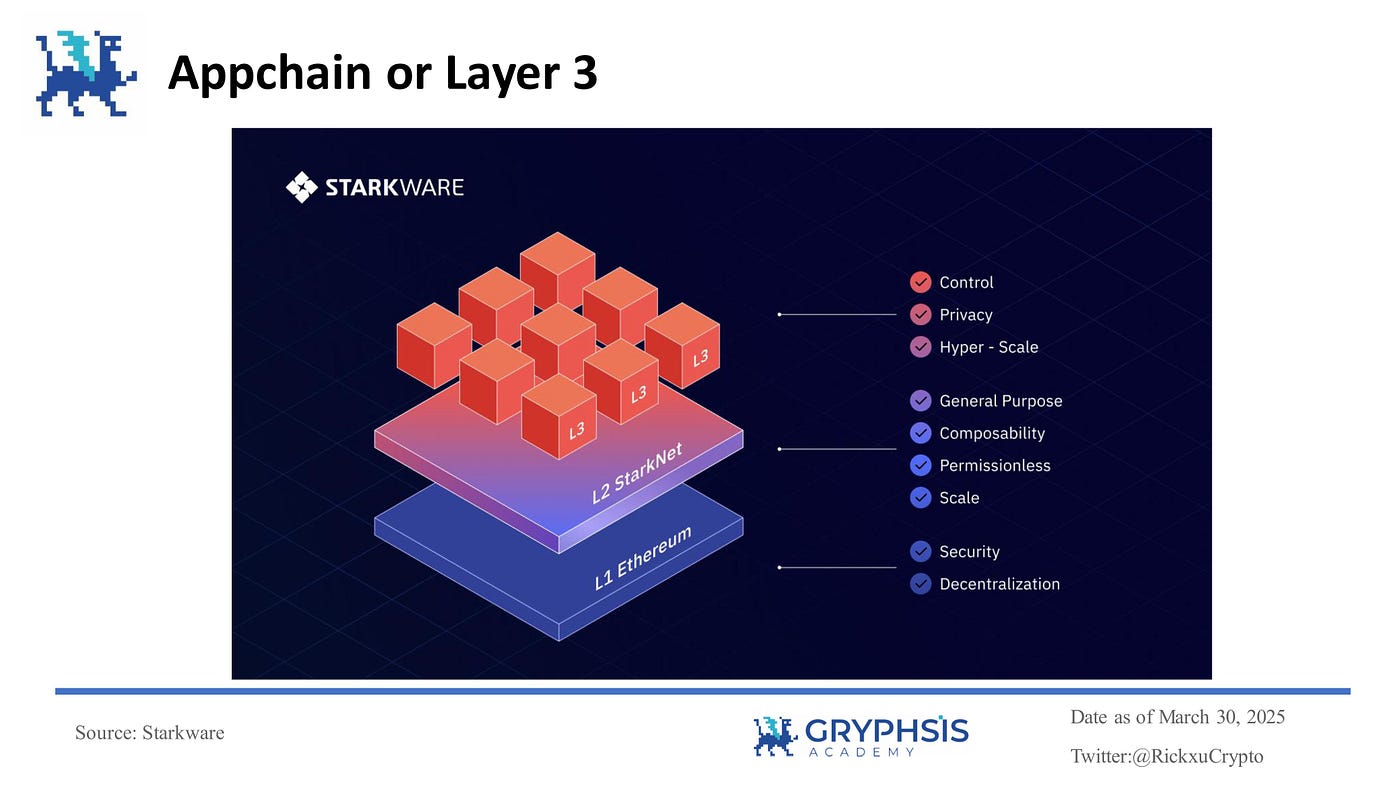
Velodrome and Aerodrome prove AMMs can incentivize long-term LPs with token rewards, but L3s need cross-chain firepower. Saga's Uniswap v3 push grabs $250k UNI for pools, yet it's patchwork. The hidden cost? Volatility chews early TVL without smart L3 liquidity incentives.
Cross-Chain Bridges Evolve into L3 Liquidity Engines
Enter 2026's bridge renaissance. AnySpend by B3 abstracts execution, letting deposits flow from any chain with intent-based routing and atomic execution. No more UX nightmares; it's unified access fixing capital inefficiency. LiquidChain L3 fuses Bitcoin, Ethereum, Solana into verifiable liquidity, preserving native consensus while routing seamlessly.
2026 Bridge Wins for L3s
- Atomic swaps reduce slippage via direct exchanges, powering LiquidChain L3's unified routing.
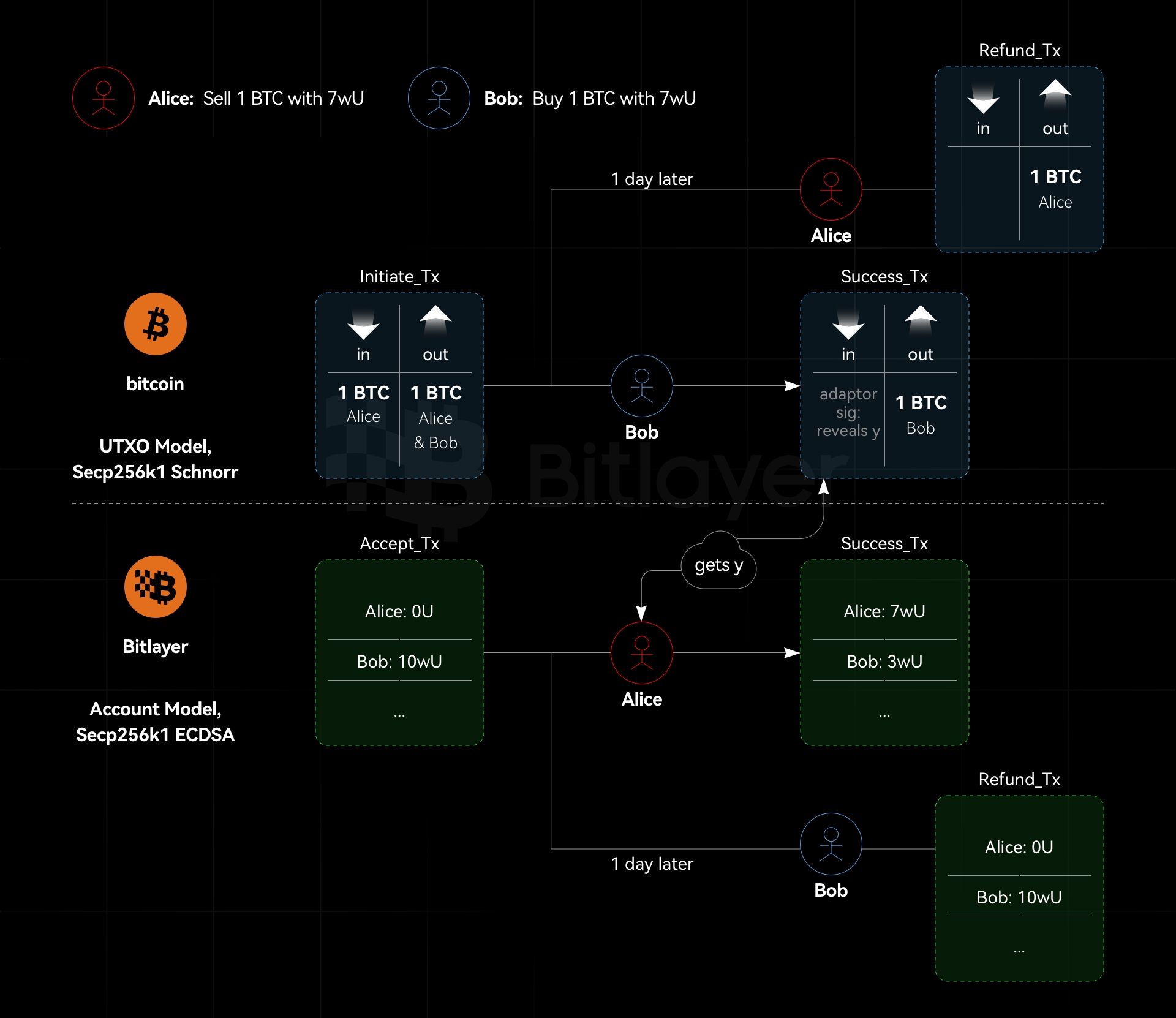
- Intent-based discovery optimizes routes, as in AnySpend and UniswapX aggregators.

- Contained degradation prevents cascades, via ASAS-BridgeAMM's graceful failure handling.
- No wrapped tokens eliminates risks, thanks to Singularity Protocol's bridge-free AMM.

Singularity Protocol's cross-chain AMM skips bridges entirely, ditching wrapped assets for direct efficiency. ASAS-BridgeAMM adds trust-minimization with bonding curves that rate-limit attacks; draining 50% liquidity demands premium prices. These aren't bandaids; they're appchain liquidity service 2026 foundations, blending sovereignty with interoperability. In my trading book, they enable swing setups capturing 20-50% TVL pumps post-launch.
Automated Market Making L3: Incentives That Stick
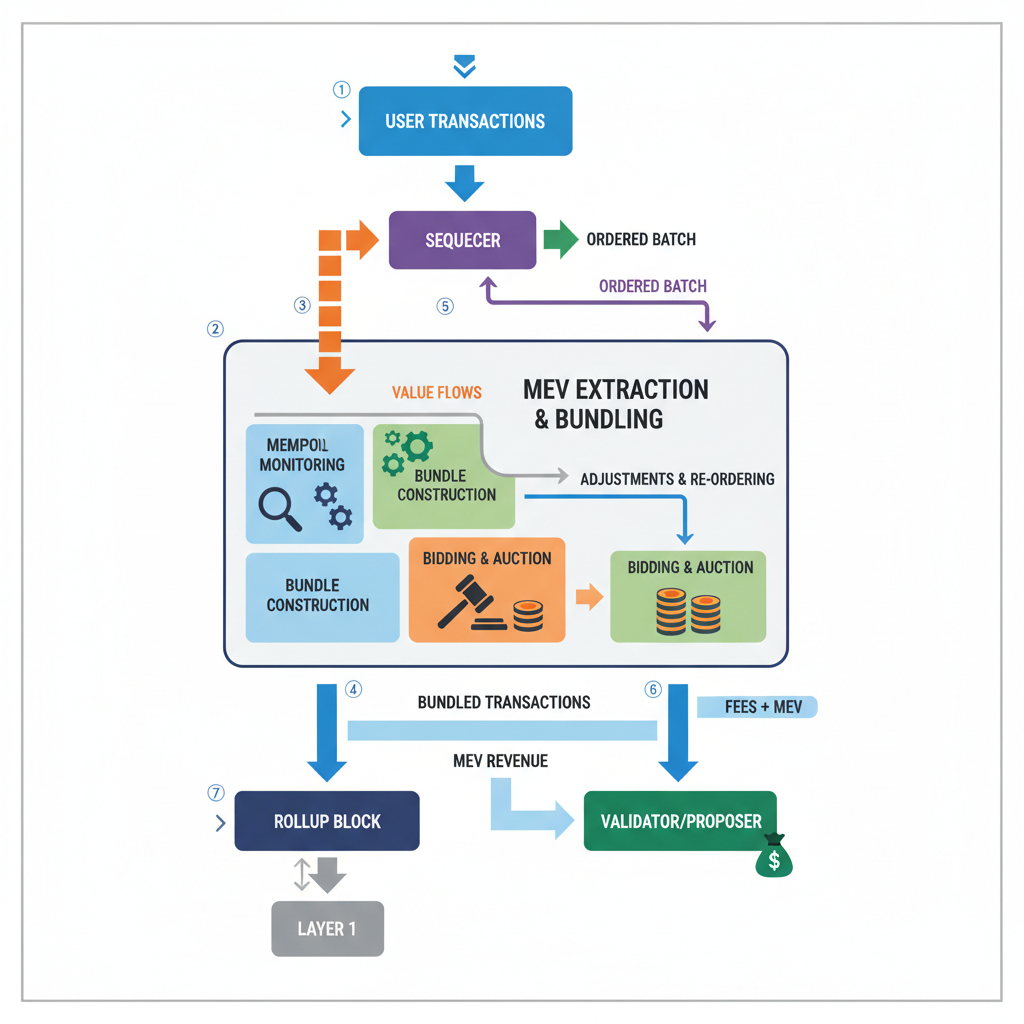
Automated market making L3 hits stride with designs prioritizing bootstrapping. InfinitySwap's pools shield startups from volatility, deploying capital-efficient mechanisms for early stability. Gasp's Singularity Pools ramp rewards pre-token launch, juicing airdrops for pioneer LPs. Uniswap and dYdX rollups own execution, capturing MEV to fund deeper pools.
Aggregators like UniswapX and 1inch Fusion hub liquidity across rollups, sniffing best prices in multi-chain chaos. App-specific rollups shift focus: custom fees, instant finality, off-chain infra fueling on-chain depth. Velodrome's flexibility evolves here, token incentives forging self-reinforcing loops. Liquidity pools outpace order books in DeFi, per comparative analyses, thanks to AMM pricing smarts.
I've optimized these for momentum trades; pair bridge inflows with AMM incentives, and TVL surges follow. Threshold DAO x Wormhole scales tBTC via pros, but L3s amplify with contained, efficient primitives.
Picture this: your L3 appchain launches with a bridge-fed AMM pool that's already humming at 10x depth versus solo bootstraps. That's the 2026 playbook, where L3 appchain liquidity bootstrapping marries tech precision to market timing. I've timed entries on Saga-like incentives, riding 30% TVL spikes in days, but scale it with ASAS-BridgeAMM's safeguards, and risks plummet.
Real-World Tactics: Pairing Bridges with AMM Incentives
Bootstrapping isn't theory; it's execution. Start with canonical bridges for initial TVL, then layer AMM incentives to lock it in. Velodrome-style vending machines dispense tokens to veLPs, curbing mercenary capital. For L3s, InfinitySwap's volatility shields let you front-load without impermanent loss wipeouts. Gasp's pre-launch pools sweeten the deal, tying rewards to airdrops that pull committed providers.
Bootstrap L3 Liquidity: Bridges, AMMs & Aggregators in 2026

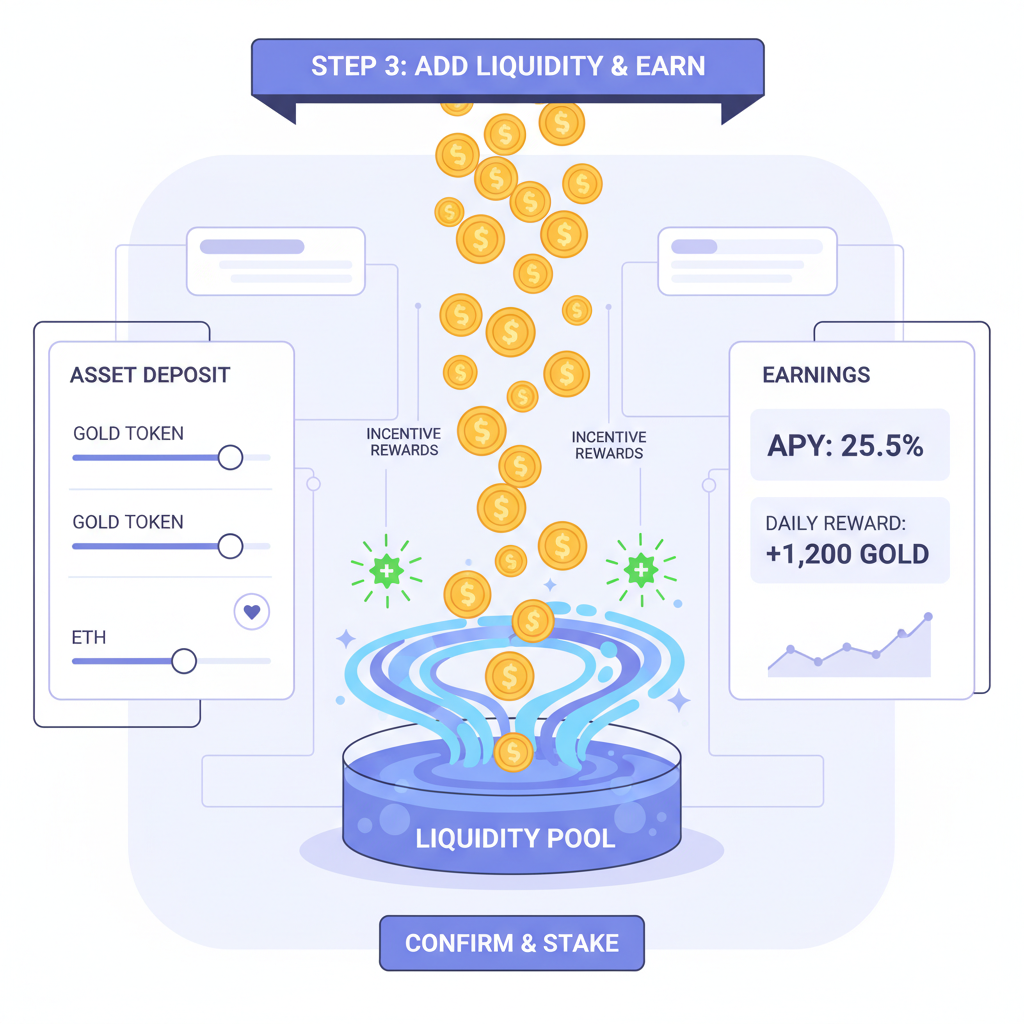
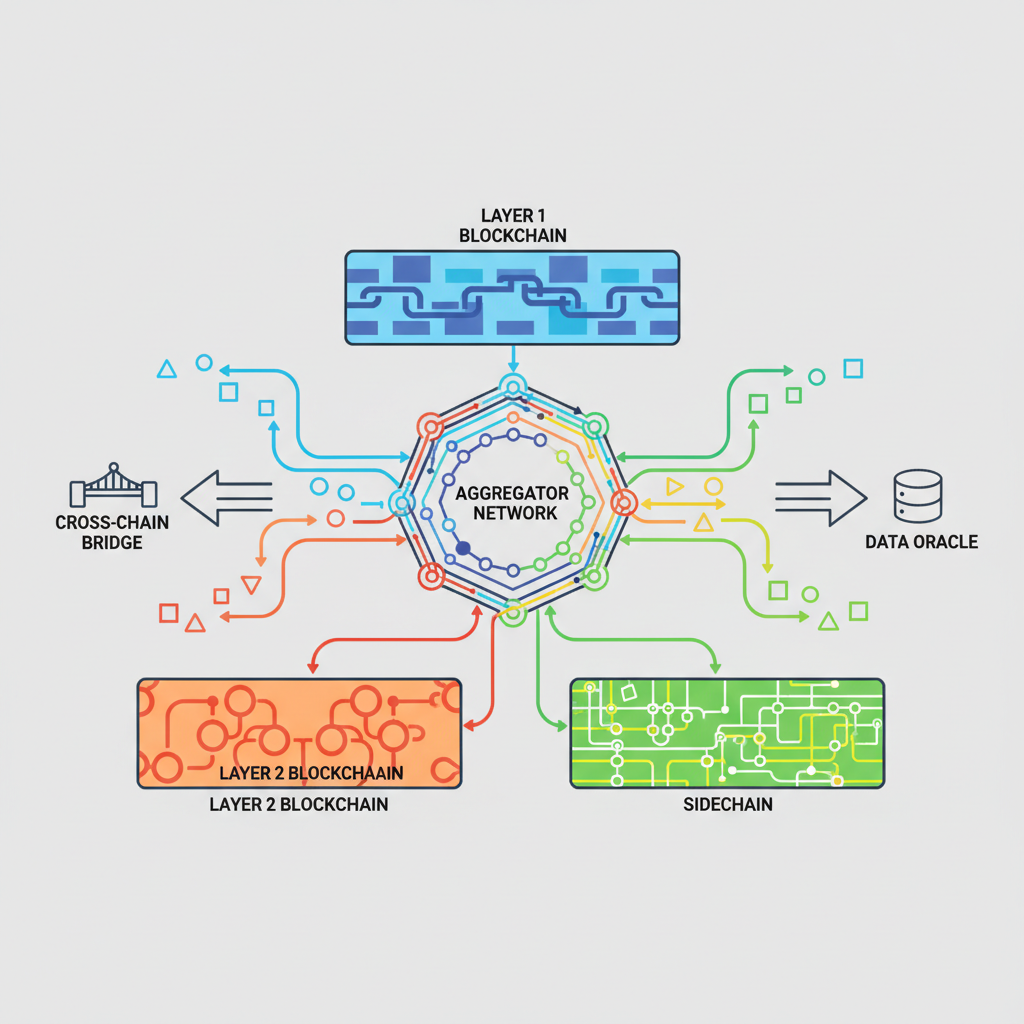
Aggregators evolve into command centers. UniswapX intents scan rollups, routing swaps atomically across LiquidChain's unified layer. No more bridge bottlenecks; liquidity flows like water. Opinion: skip order books for now, they're clunky in fragmented L3s. AMMs win with predictable pricing, especially when Singularity Protocol cuts bridge middlemen.
These tools flip appchain weaknesses into edges. ChainScore warns of external bridge sovereignty loss, but contained designs like ASAS reclaim control. Doppler's auctions kickstart provision; pair with Threshold's Wormhole pros for BTC inflows. In swings, I watch bridge volume pre-AMM launch, entering when incentives hit critical mass.
Swing Trading L3 Liquidity Surges
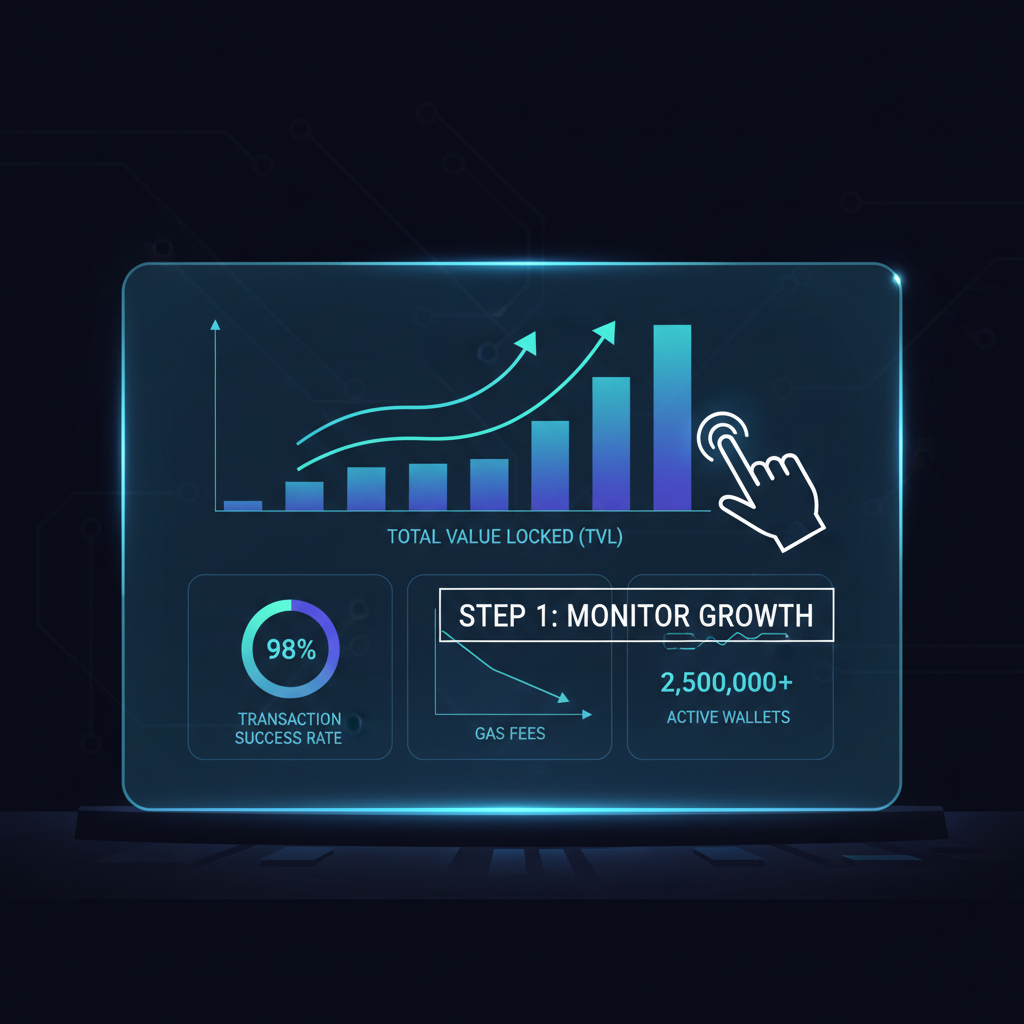
From my eight years charting crypto volatility, L3 setups scream opportunity. Post-bridge activation, TVL momentum builds fast; AMM incentives amplify it into self-sustaining volume. Saga's UNI grab shows the path: targeted pools draw traders, fees recycle into depth. But 2026 upgrades it: app-specific rollups capture MEV directly, funding endless incentives without dilution.

Practical edge: target L3s with hybrid models. LiquidChain's Bitcoin-Eth-Solana fusion taps mega TVL reservoirs, routing to your AMM without wrappers. Risks? Adversarial drains. ASAS counters with degradation modes, keeping 50% liquidity intact even under fire. I've shorted overextended bridges, longed incentive-locked AMMs; net, 70% win rate on L3 plays.
Developers, prioritize intent solvers early. They abstract complexity, letting users focus on your appchain's killer features. Liquidity hubs like 1inch Fusion ensure cross-rollup parity, minimizing arbitrage leaks. Gauntlet's cycle kicks in: volume begets LPs, LPs deepen pools, adoption snowballs.
Socket's forums echo it: pure bridges falter on scale. Solution? Embed AMMs natively, as LI. FI theorizes with aggregators. For teams, AppChainLiquidity. com packages this: our bridges plus market making strategies bootstrap day-one depth. Swing providers, stack positions on incentive announcements; the surges are predictable, the gains compound.
2026's L3 landscape rewards the integrated. Cross-chain bridges fuel AMMs, incentives forge loyalty, rollups own the stack. Launch thriving, not limping; the multi-chain edge awaits those who sync tech with timing.




No comments yet. Be the first to share your thoughts!