

L3 appchains are exploding onto the scene, promising hyper-specialized blockspace for everything from lightning-fast gaming to precision DeFi trading. But here's the rub: without L3 appchain liquidity from the jump, these chains risk launching into a ghost town. Developers pour resources into custom rollups atop L2s like Arbitrum Orbit or Optimism, only to watch users balk at thin order books and brutal slippage. The fix? Liquidity as a service L3 platforms that deploy efficient bridges and AMMs tuned for day-one trading volume.
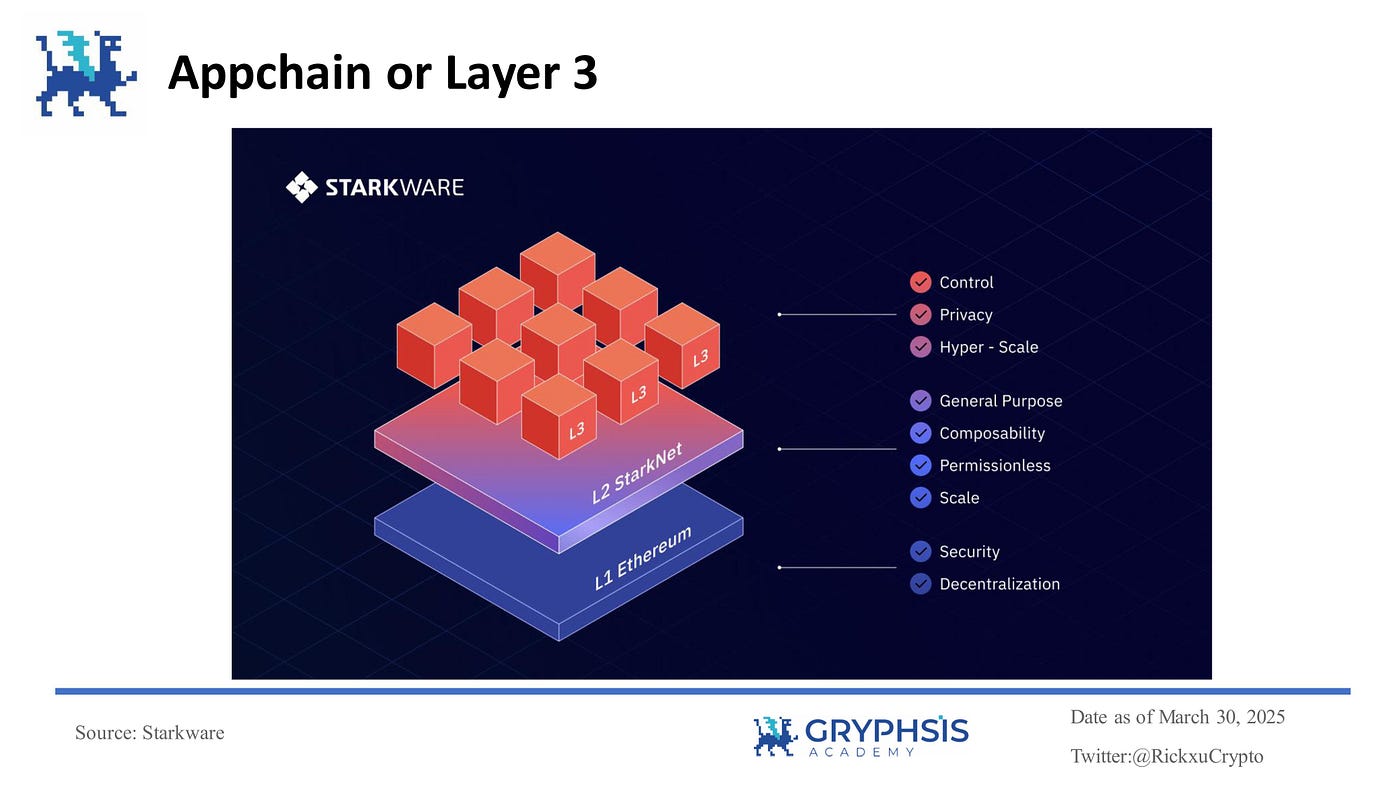
I've swing traded enough volatile setups to know that momentum in new chains hinges on seamless asset inflows. External bridges sound convenient, but they mask nasty traps. ChainScore Labs nails it: appchains sacrifice sovereignty by leaning on third-party bridges, exposing themselves to systemic risks like downtime cascades or liquidity silos. Picture this: a hot L3 gaming chain pumps, users rush to bridge in USDC, but the bridge clogs, and poof, momentum stalls. We've seen it kill nascent TVL surges before they peak.
Why External Bridges Are Draining Your Appchain's Potential
Outsourcing liquidity isn't just a convenience trade-off; it's a sovereignty killer. ChainScore's breakdown reveals how these bridges create single points of failure, amplifying volatility when markets heat up. In my eight years timing crypto swings, I've watched bridges lag during pumps, forcing traders into costly detours or outright exits. For L3s like Xai or Degen Chain, this means day-one trading feels like wading through mud - high slippage on appchain bridges low slippage promises that never materialize.

The Layer3 Foundation pushes for organic liquidity via Wormhole Native Token Transfers, letting L3 markets bloom naturally. Smart, but it assumes bridges won't bottleneck the party. Meanwhile, projects like Berachain's Proof-of-Liquidity flip the script with native incentives, blending $BERA, $BGT, and $HONEY to reward providers directly. Yet for most builders, that's table stakes. You need automated market making L3 that anticipates surges, not reacts to them.
Bootstrapping with Bridge-First Strategies That Actually Work
Look to L1s for blueprints. Arbitrum's canonical bridge became the ETH and stablecoin highway, juiced by fat liquidity incentives that skyrocketed TVL. Sui dropped $500 million into bridged pools, turning a fresh chain into a liquidity magnet overnight. L3 appchains can replicate this at smaller scale: prioritize canonical bridges with baked-in AMMs for instant depth.
Top L3 Liquidity Strategies
- Canonical bridges with incentives: Deploy default pathways like Arbitrum's canonical bridge and Sui's $500M incentives to rapidly boost TVL and enable day-one trading.
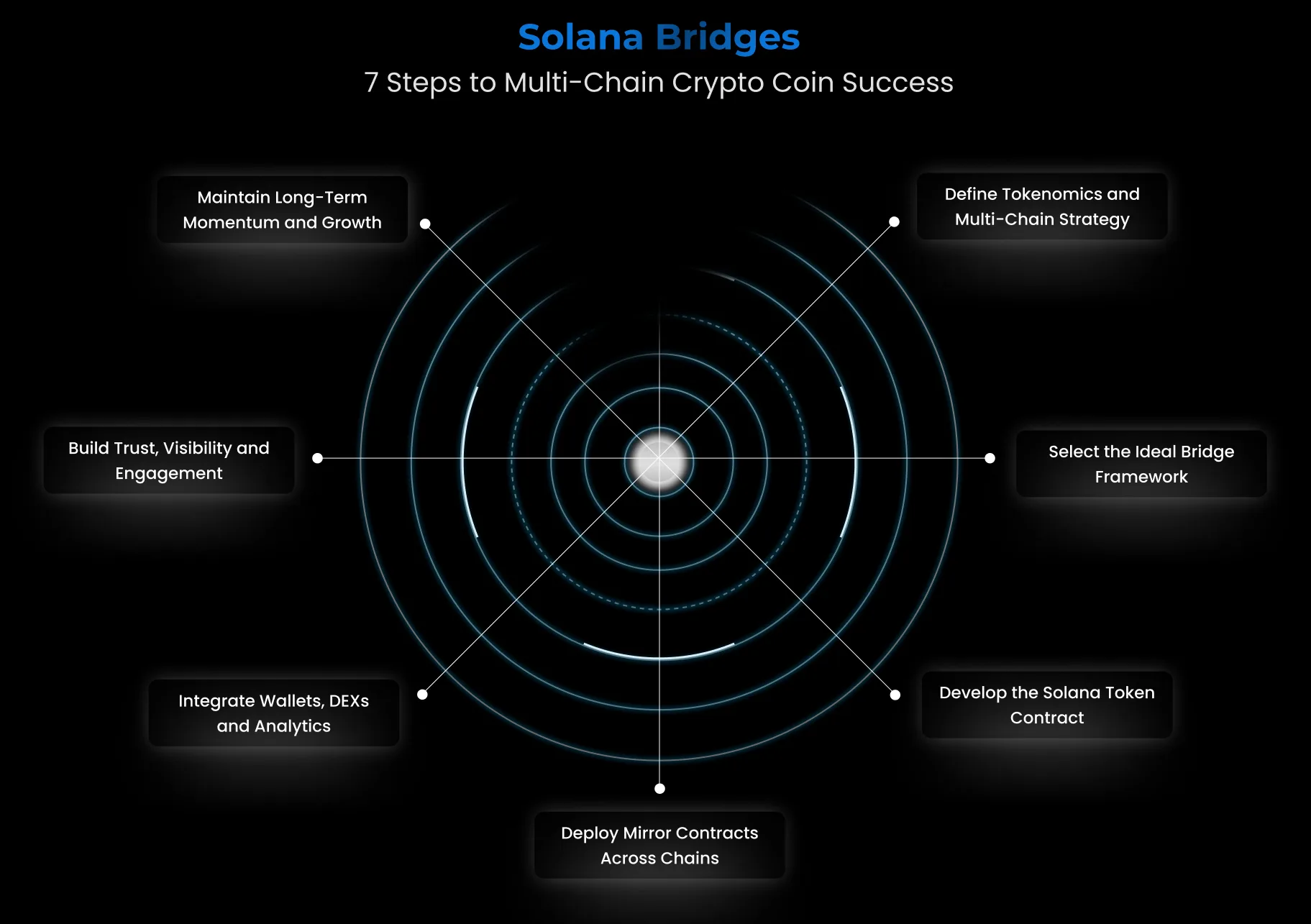
- Cross-chain AMMs for low slippage: Use advanced designs like Singularity Protocol's cross-chain AMM to eliminate bridges, cut volatility, and ensure efficient swaps.
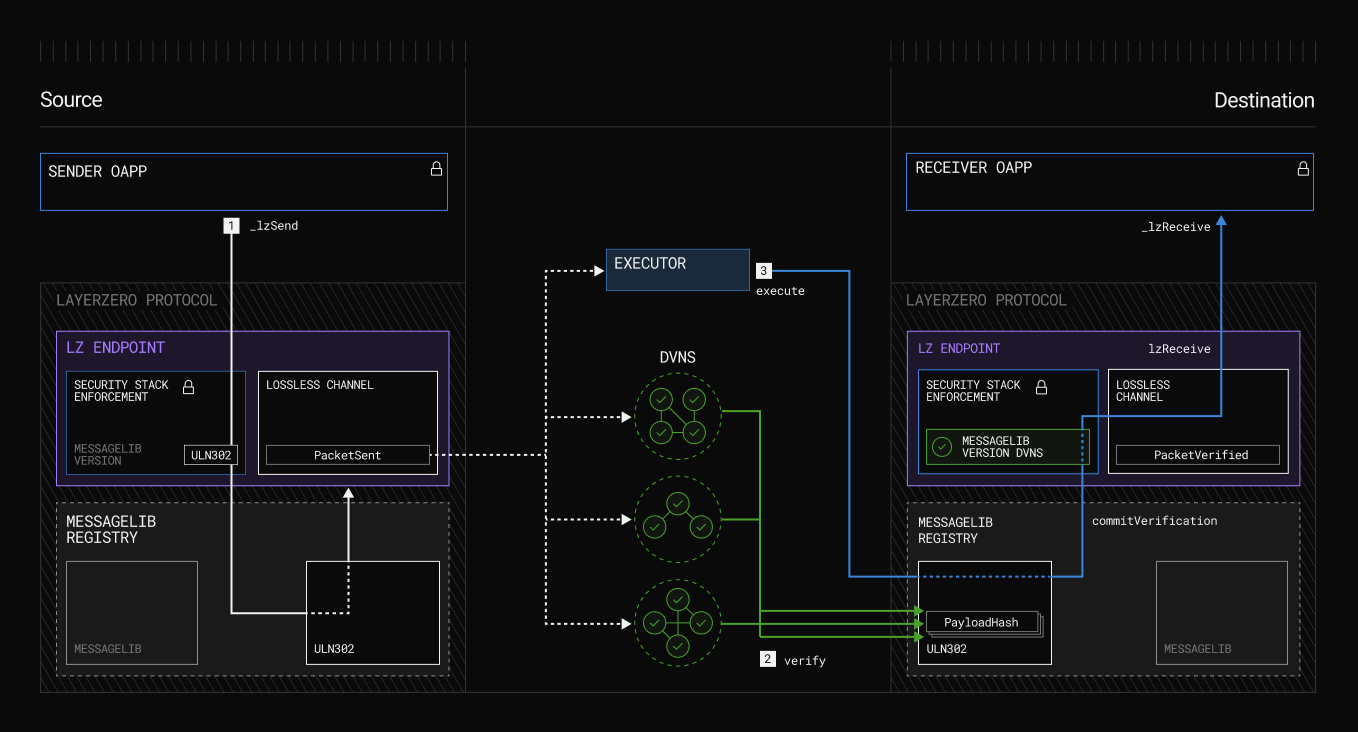
- TVL surge rewards via liquidity mining: Incentivize LPs with token rewards to build deep pools quickly, mirroring proven DeFi growth tactics.
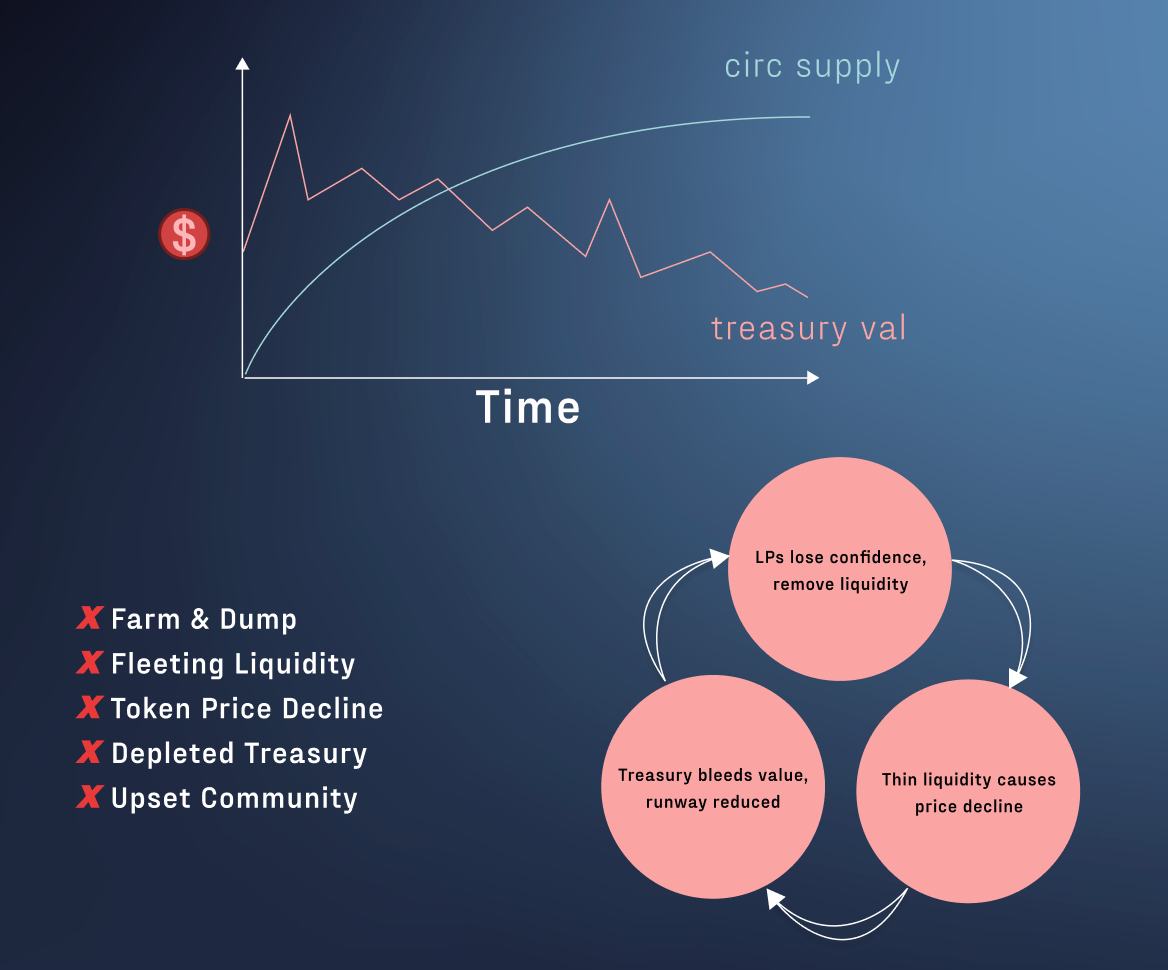
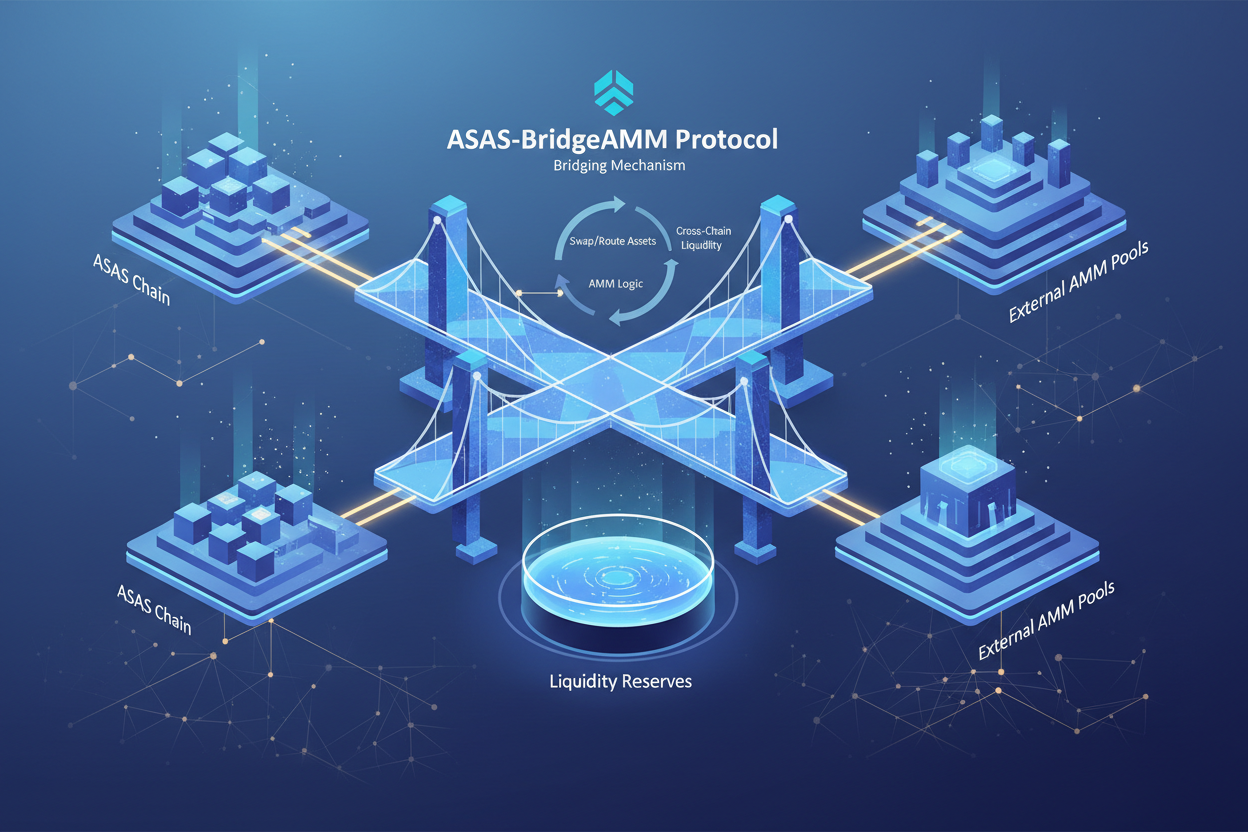
- Failure-contained protocols like ASAS-BridgeAMM: Adopt trust-minimized AMMs that dynamically adjust to slash insolvency risks by 73%.
- Organic growth via Wormhole transfers: Leverage Wormhole Native Token Transfers for seamless, natural liquidity development as in Layer3 ecosystems.

Take the Singularity Protocol's cross-chain AMM: no intermediate tokens, no bridge roulette, just direct swaps slashing volatility. Or ASAS-BridgeAMM, which containment-cages failures and cuts insolvency risks by 73%. These aren't pie-in-the-sky; they're deployable now for L3 cross-chain incentives that pull in providers chasing short-term yields. As a momentum trader, I time these TVL spikes - chains with robust bridges see 5x liquidity jumps in weeks, fueling sustained trading.
AMMs Tuned for L3: Low Slippage from Block One
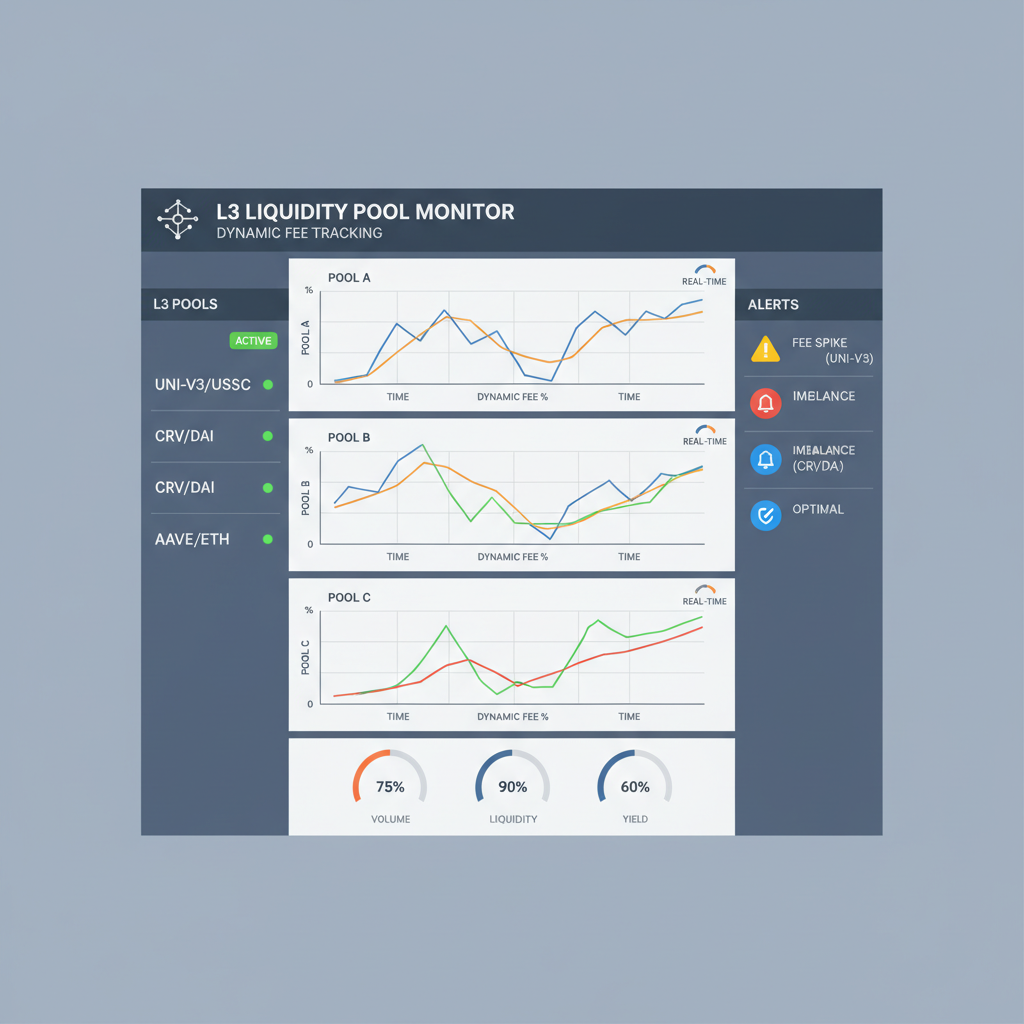
Standard Uniswap forks won't cut it on L3s with niche use cases. High-frequency trading chains need concentrated liquidity curves that adapt to bursty volumes, while gaming L3s crave stablecoin ramps with minimal IL. Unichain's optimistic rollup vision positions it as a superchain liquidity hub, but L3 builders can't wait for ecosystem-wide fixes. Deploy custom AMMs with dynamic fees and L3 cross-chain incentives - think yield farming dialed for LP alpha during launch windows.
dYdX Foundation gets it: fees funneled straight to validators bootstrap security and liquidity in tandem. Layer 3 solutions supercharge DeFi by stacking scalability on L2s, but only if AMMs deliver tight spreads. I've optimized setups where efficient bridges feed directly into AMM pools, capturing 20-30% slippage reductions on day one. That's the edge new appchains need to hook traders and builders alike.
Layer3's $15M Series A underscores the hunger for omnichain tools that knit L3s into broader ecosystems. Their protocol promises smoother distributions, but liquidity bootstrapping demands more than identity layers - it needs battle-tested appchain bridges low slippage that don't flinch under pressure. Top L3 projects like Xai and Degen Chain prove the point: customization shines when paired with deep pools from launch.
Incentives That Ignite TVL Surges
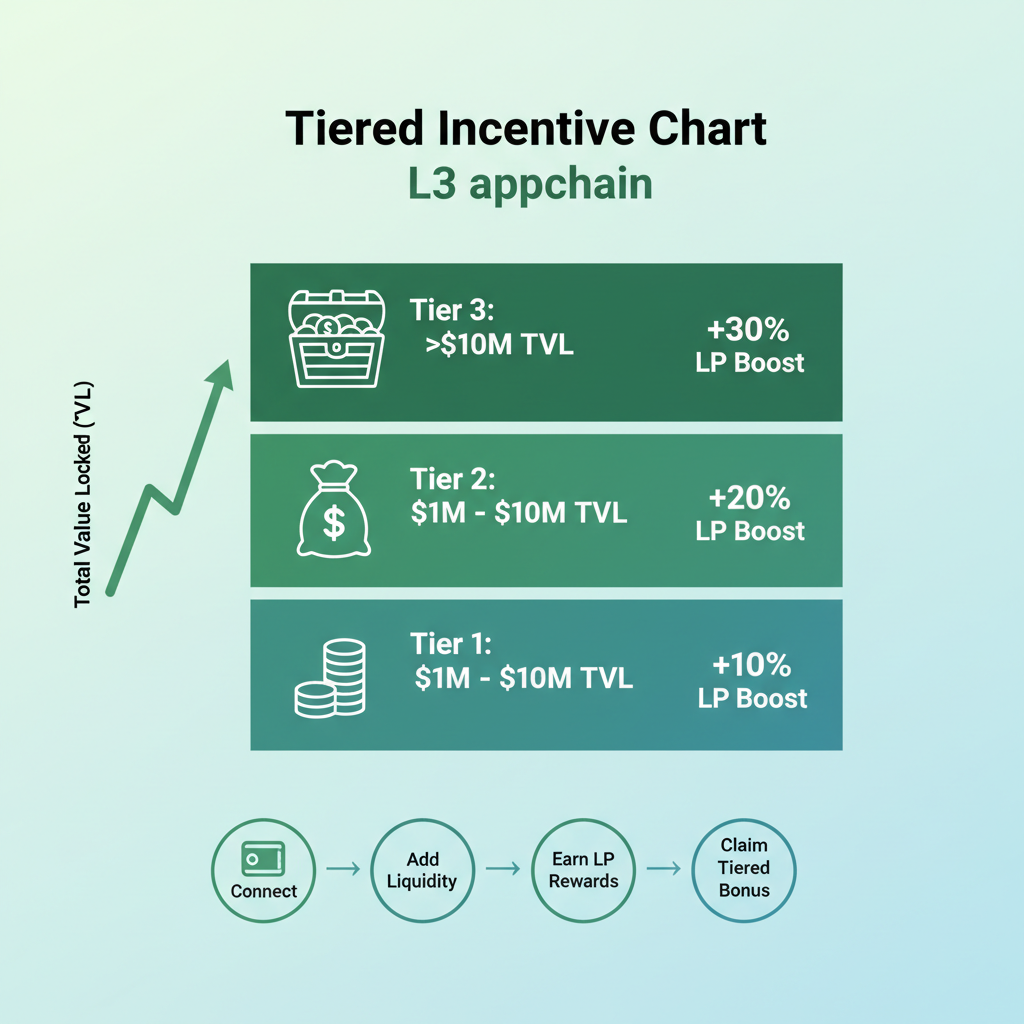
In my momentum plays, I've learned that L3 cross-chain incentives are the spark for liquidity fires. Forget blanket airdrops; target LP providers with tiered yields that ramp during high-volume windows. Berachain's Proof-of-Liquidity model distributes $BGT governance tokens to stakers, creating sticky capital that withstands dumps. For L3 appchains, layer on automated incentives via smart contracts that auto-adjust APRs based on bridge inflows. This pulls in swing traders like me, chasing 50-100% short-term boosts before rotating out.

Proof-of-Liquidity flips passive holding into active provision, a tactic L3 builders should steal. Combine it with AMMs featuring dynamic ranges - think Curve-style stables for gaming ramps or Uniswap v3 concentrates for trading pairs. The result? Chains that hum with activity, not sputter on empty books.
Liquidity as a Service: Your Day-One Playbook
Here's where platforms like AppChainLiquidity. com step in as liquidity as a service L3 pros. We handle the heavy lifting: deploying custom AMMs, seeding bridges with incentives, and optimizing for your appchain's quirks. No more cobbling together risky externals or praying for organic growth. Our setups have clocked minimal slippage across launches, turning beta testers into loyal traders overnight.
Bootstrap L3 Liquidity: 5 Steps to Day-One Trading Dominance

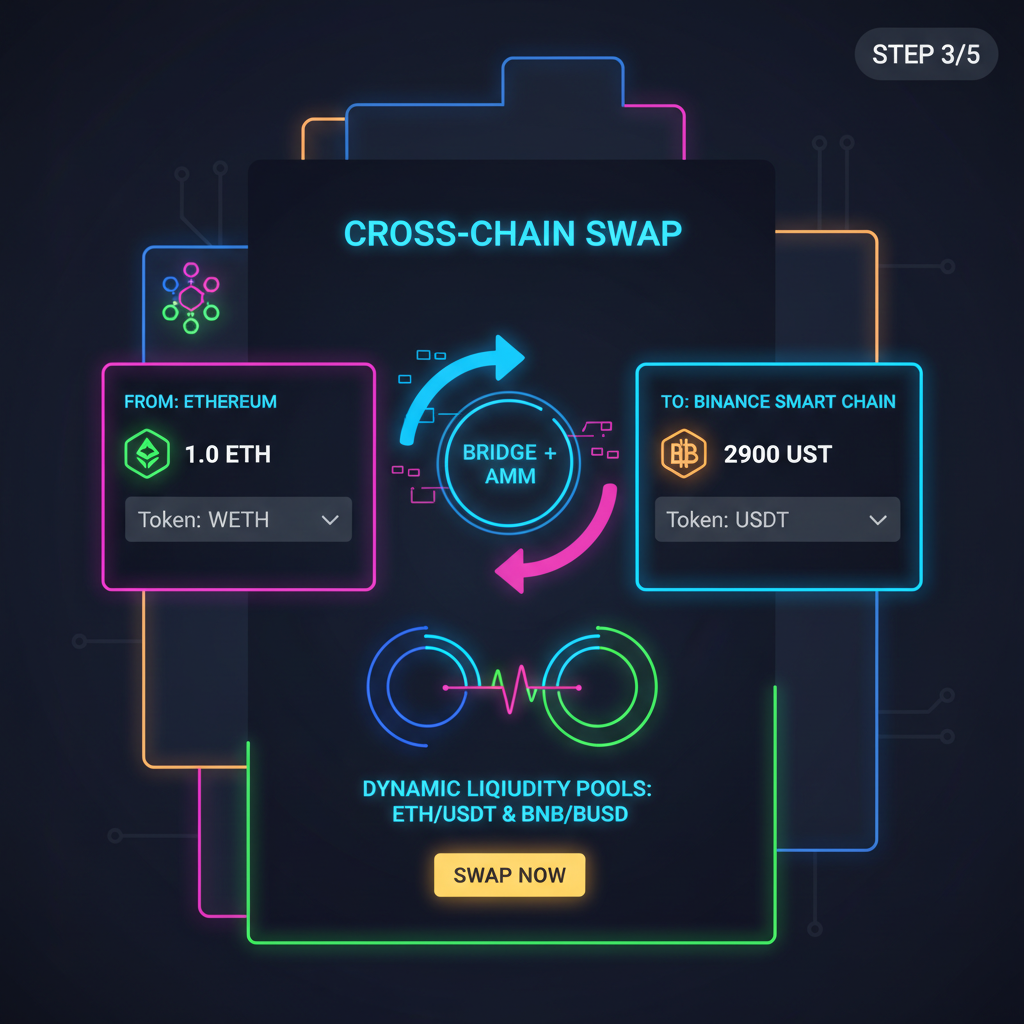

Appchain coordination layers let builders tweak rollups for microtransactions or HFT, but without liquidity backbone, it's wasted potential. Altcoin Investing Picks highlights how DA layers slash fees, yet liquidity lags kill adoption. Our service bridges that gap, ensuring automated market making L3 kicks in seamlessly.
dYdX's fee-to-validator model shows how aligning incentives bootstraps both security and depth. Unichain aims for superchain liquidity hubs, but L3s can't hitch their wagons entirely - sovereignty demands in-house solutions. Layer 3 solutions supercharge DeFi precisely because they stack liquidity efficiencies, from burst-resistant AMMs to failure-proof bridges like ASAS-BridgeAMM.
I've timed dozens of these setups: chains ignoring efficient bridges bleed TVL to competitors, while those embracing liquidity-as-a-service ride waves to multi-million pools. Xai's gaming focus thrives on low-latency swaps; Degen Chain memes its way to virality with deep stables. The pattern holds - prioritize L3 appchain liquidity, and your chain doesn't just launch, it dominates. Swing into these strategies, and watch day-one trading volumes eclipse expectations, setting the stage for explosive growth in the multi-chain arena.




No comments yet. Be the first to share your thoughts!